Strait of Hormuz Tension: How the US-Iran Clash Could Trigger a Global Oil Shock You Can’t Afford to Ignore
Here we go again—the Strait of Hormuz is back in the spotlight, but not for a honeymoon. The simmering U.S.-Iran tension has boiled over, dragging the global economy into a gritty twist. Imagine a vital artery for about a quarter of the world’s seaborne oil trade suddenly slammed shut. Yep, Iran’s recent declaration to close the strait after the Islamabad ceasefire crumbled isn’t just political theater—it’s a full-blown economic jolt that’s sending fuel prices into a tailspin and shaking markets worldwide. And here we thought we’d left those headline-grabbing escalations behind in history books… What does this mean for businesses relying on steady energy prices? How long before this tightrope walk of diplomacy snaps or surprises us with a breakthrough? Buckle up, because the stakes are sky-high, and the ripple effects could redefine global trade routes and economic forecasts alike. LEARN MORE
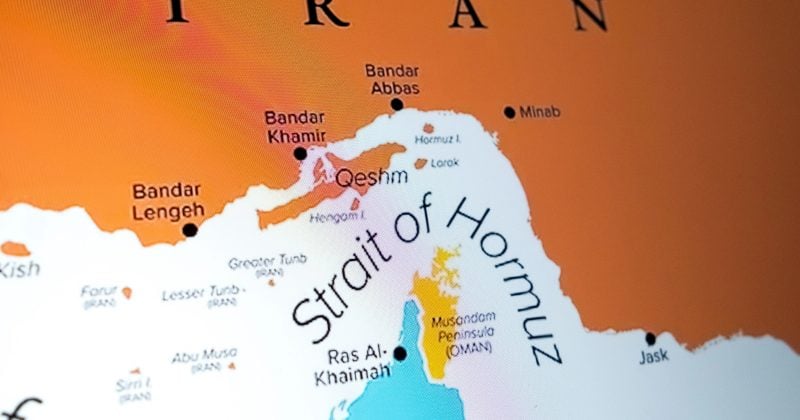
The resumption of military conflict between the U.S. and Iran in the Strait of Hormuz marks a significant escalation in the ongoing 2026 crisis. The conflict reignited following the collapse of the Islamabad Memorandum ceasefire, leading to U.S. Central Command launching retaliatory strikes on Iranian positions. Iran’s declaration of the strait’s closure has brought shipping activities to a standstill, affecting roughly 25% of global seaborne oil trade. These developments contribute to a global fuel crisis, with markets adjusting expectations in response to the heightened geopolitical tensions.
Key Takeaways
- Market activity suggests a decrease in expectations for Strait of Hormuz traffic normalization by July 7, consistent with continued disruptions.
- Pricing indicates that fewer than 150 ships transiting the Strait between July 6 and July 12 appears likely, reflecting current military escalations.
- The likelihood of traffic normalizing by July 15 has decreased, as evidenced by current market pricing against a quick resolution.
What to Watch
The situation’s evolution hinges on diplomatic and military actions from key actors such as the U.S., Iran, and international bodies. Observers should monitor any potential ceasefire negotiations or military escalations, which could significantly impact shipping traffic expectations. Further Iranian military actions or U.S. responses may indicate prolonged disruption, while diplomatic breakthroughs could change the trajectory toward traffic normalization.
Get live prediction-market analysis, powered by Vera. Sign up for Vera.

Earth Rated Dog Poop Bags on Refill Rolls, 270 Bags, Lavender | Guaranteed Leak Proof and Extra Thick Waste Bag Refill Rolls
$14.99 (as of September 18, 2026 03:04 GMT +00:00 - More infoProduct prices and availability are accurate as of the date/time indicated and are subject to change. Any price and availability information displayed on [relevant Amazon Site(s), as applicable] at the time of purchase will apply to the purchase of this product.)
San Marco Coffee Flavored Ground Coffee, Chocolate Orange, 1 Pound
(as of September 18, 2026 03:21 GMT +00:00 - More infoProduct prices and availability are accurate as of the date/time indicated and are subject to change. Any price and availability information displayed on [relevant Amazon Site(s), as applicable] at the time of purchase will apply to the purchase of this product.)
Lavazza Super Crema Whole Bean Coffee, Medium Espresso Roast, Arabica and Robusta Blend, 2.2 lb Bag, Package May Vary (Pack of 1)
$25.70 (as of September 18, 2026 03:04 GMT +00:00 - More infoProduct prices and availability are accurate as of the date/time indicated and are subject to change. Any price and availability information displayed on [relevant Amazon Site(s), as applicable] at the time of purchase will apply to the purchase of this product.)
EHEYCIGA Orthopedic Extra Large Dog Bed, Waterproof Washable XL Pet Bed 44" | Non-Slip Bottom and Egg-Crate Polyurethane Foam Big Dog Couch Bed with Washable Removable Cover, Grey
$39.99 (as of September 18, 2026 03:10 GMT +00:00 - More infoProduct prices and availability are accurate as of the date/time indicated and are subject to change. Any price and availability information displayed on [relevant Amazon Site(s), as applicable] at the time of purchase will apply to the purchase of this product.)












Post Comment