Inside the CFTC’s Surprising Split: What the Bearish FX Shift and Crude Reversal Mean for Your Next Move
Ever caught yourself wondering why some markets seem to zig when everyone expects a zag? This week’s snapshot from the trenches of speculative trading throws down a real puzzle—and a pearl—wrapped in one. The Yen and Euro are getting cold-shouldered hard, sellers piling up as if they’re prepping for a storm, while the Aussie bucks on its own mysterious script, rallying despite relentless bearish bets. Meanwhile, the British Pound is doing a delicate dance, with traders easing off but price stubbornly lagging behind. And then—enter stage right—WTI crude oil, the unlikely hero, lighting up with a sharp double thumbs-up as both positioning and price catapult in tandem after weeks in the doldrums. What’s driving this defensive reset among currencies? Can the oil rally really signify a bigger comeback on the horizon or is it just a flash in the pan? Dive into this week’s CFTC positioning pulse to untangle these market moods—you might just find the clues to your next move. LEARN MORE
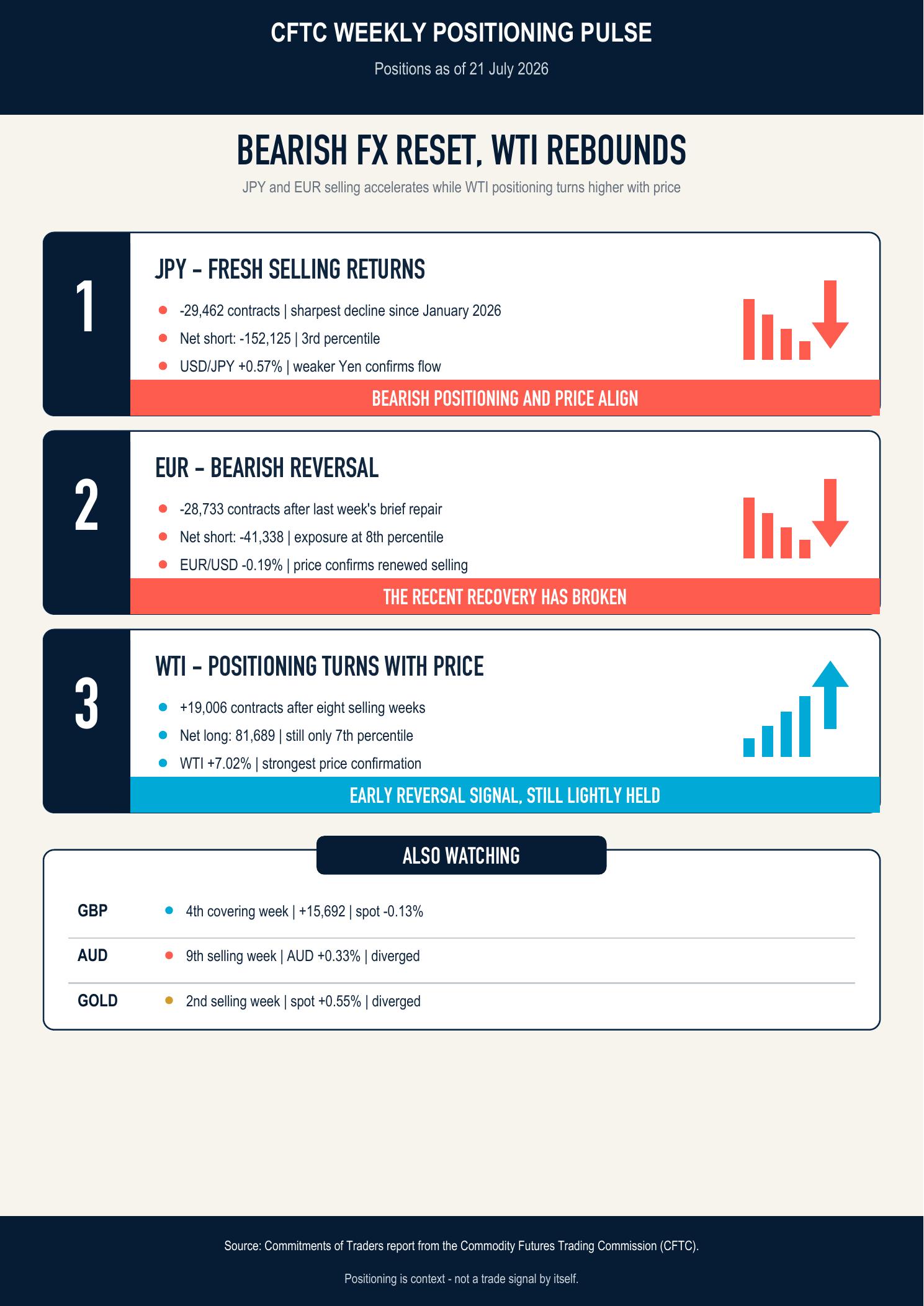
The week in one sentence. Speculators rebuilt their bearish conviction in JPY and EUR, kept selling AUD, and continued covering GBP, while WTI delivered the cleanest positive turn as both positioning and price moved sharply higher.
A more defensive reset
The foreign-exchange complex turned more defensive. JPY registered the largest weekly deterioration, with net positioning falling by 29,462 contracts to a 152,125-contract short. That leaves the market near the 3rd historical percentile. The 0.57% rise in USD/JPY – a weaker Yen – confirmed the renewed selling and makes JPY the clearest bearish FX signal of the week.
EUR followed closely. Speculators cut net positioning by 28,733 contracts, reversing last week’s brief repair and rebuilding a 41,338-contract short position. EUR/USD fell 0.19%, so price and flow aligned. The combination suggests that the four-week stabilisation has broken, although the latest move still needs to show persistence before it becomes a durable trend.
AUD remained a different kind of bearish story. Selling extended for a ninth consecutive week, yet AUD/USD gained 0.33%. That divergence keeps the squeeze risk alive.
GBP moved in the opposite positioning direction: a fourth covering week lifted net exposure by 15,692 contracts, but the British Pound slipped 0.13%, leaving the unwind less convincing than in prior weeks.
WTI: The cleanest positive turn
WTI supplied the report’s strongest positive cross-asset signal. After eight consecutive selling weeks, speculative net positioning rose by 19,006 contracts as crude gained 7.02%. This is the first meaningful week in which both price and positioning turned together. The move is important precisely because exposure remains light. The net long position of 81,689 contracts is near the 7th historical percentile and represents only 4.4% of open interest. In other words, the market has begun to rebuild length from a depressed base rather than chase an already crowded bullish position. Continued price strength would leave considerable room for additional participation.
Elsewhere
Gold positioning fell for a second week, but spot prices gained 0.55%, weakening the bearish message. VIX shorts increased by 11,078 contracts as volatility eased 1.54%, a conventional alignment rather than a reversal signal. Coffee positions softened modestly while the price declined 1.56%. CAD finally recorded a small positioning improvement after ten weeks of selling, but the Canadian Dollar weakened, so confirmation is absent.
What matters next
First, watch whether JPY and EUR selling persists; both now combine low historical positioning with price confirmation. Second, WTI is the best candidate for a broader rebuilding cycle because the turn began from an unusually light position. Third, GBP and AUD remain tests of confirmation: positioning is moving, but spot is resisting the message. Those divergences are where reversal risk is most likely to surface.
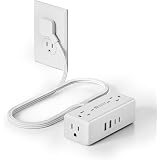
3Ft Short Extension Cord with Multiple Outlets, Surge Protector Power Strip | SUPERDANNY Small Flat Plug Power Strip with 4 Outlets & 4 USB, Charging Station for Home, Office, College Dorm Essentialss
$11.99 (as of September 24, 2026 03:24 GMT +00:00 - More infoProduct prices and availability are accurate as of the date/time indicated and are subject to change. Any price and availability information displayed on [relevant Amazon Site(s), as applicable] at the time of purchase will apply to the purchase of this product.)
Ring Battery Doorbell (newest model), Speckled White with Indoor Cam Plus, White
$59.99 (as of September 24, 2026 03:24 GMT +00:00 - More infoProduct prices and availability are accurate as of the date/time indicated and are subject to change. Any price and availability information displayed on [relevant Amazon Site(s), as applicable] at the time of purchase will apply to the purchase of this product.)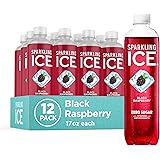
Sparkling Ice, Black Raspberry Sparkling Water, Zero Sugar Flavored Water, with Vitamins and Antioxidants, Low Calorie Beverage, 17 fl oz Bottles (Pack of 12)
$12.47 (as of September 24, 2026 03:05 GMT +00:00 - More infoProduct prices and availability are accurate as of the date/time indicated and are subject to change. Any price and availability information displayed on [relevant Amazon Site(s), as applicable] at the time of purchase will apply to the purchase of this product.)
Pet Pouch Hoodie Cat Hoodie with Pouch Pull Pocket for Dogs & Snack Hoodies | Kangaroo Sweatshirt with Dog Pouch Side Zip Pocket Drop Shoulder Sweatshirt Big Size Front Dog & Cat Carrier Sweatshirts
$14.99 (as of September 24, 2026 03:11 GMT +00:00 - More infoProduct prices and availability are accurate as of the date/time indicated and are subject to change. Any price and availability information displayed on [relevant Amazon Site(s), as applicable] at the time of purchase will apply to the purchase of this product.)













Post Comment