
Brent Crude Rockets Past $107: Could This Sudden Spike Signal a Global Energy Shakeup?

Just when you thought the world had seen enough oil-price rollercoasters, Brent crude bursts past $107 a barrel — all thanks to a Houthi strike on a Saudi military site that sent ripples across global energy markets. Ever wonder how a drone and missile attack thousands of miles away can make your gas station bill sting just a bit more? Well, here’s the kicker: this attack isn’t an isolated incident but part of a mounting crisis squeezing one of the globe’s crucial oil arteries like the Bab el-Mandeb Strait. With West Texas Intermediate tagging along above $95, it’s clear this isn’t just a market blip—it’s a signal flare screaming supply volatility. The question isn’t if this will affect your bottom line, but how much longer these supply disruptions will keep markets on edge and prices climbing. Want to dive into the details and see what’s next for oil and your wallet? LEARN MORE
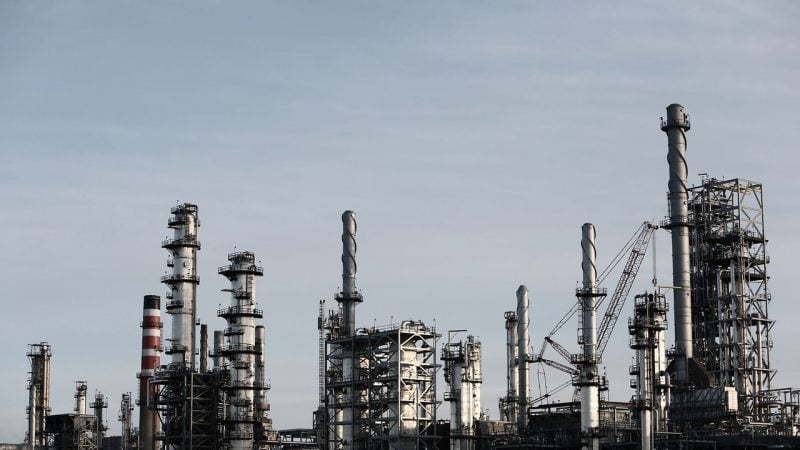
Brent crude oil blew past $107 per barrel after Houthi forces struck a Saudi military site, sending energy markets into a fresh round of anxiety over supply disruptions in one of the world’s most important oil corridors. US benchmark West Texas Intermediate climbed above $95 in tandem, marking yet another escalation in a pricing trend that has been building for months.
What happened and why it matters
Houthi forces claimed responsibility for the strike on a Saudi military site, framing it as retaliation for ongoing Saudi military actions in Yemen. Saudi officials reported multiple casualties and fires resulting from drone and missile strikes on energy sites, with dozens of injuries and significant damage to facilities.
Back in July 2026, Brent crude crossed the $100 mark for the first time since May after Houthi strikes hit Saudi tankers operating in the Red Sea. A subsequent naval blockade only intensified supply fears. The September attack pushed prices even further, with Brent reaching approximately $107.6 per barrel around September 11.
The Bab el-Mandeb Strait and Red Sea route handle roughly 5% to 15% of global maritime trade, including a substantial share of global oil flows. When that corridor gets dangerous, the ripple effects show up in shipping insurance premiums, rerouting costs, and ultimately at the gas pump in countries thousands of miles away.
The escalation pattern
Saudi authorities have described the damage from the early September strikes as significant. The Houthis have signaled no intention of stopping, with their stated rationale tying the attacks to Saudi military operations in Yemen.
Goldman Sachs has forecast that Brent could average $100 next year, with the potential to exceed $120 in the fourth quarter of 2027 if supply disruptions persist at current levels.
Market implications and what to watch
Asian energy markets are particularly exposed. The Red Sea route is a critical artery for oil shipments heading east, and any sustained disruption forces tankers to reroute around the Cape of Good Hope, adding weeks and significant cost to each voyage. Countries like India, South Korea, and Japan, which are heavily dependent on Middle Eastern crude imports, face the most direct impact on their energy bills.
Investors and market watchers should keep a close eye on two things: the frequency of Houthi operations over the coming weeks, and any changes to naval security arrangements in the Red Sea corridor. If major maritime powers escalate their naval presence, it could stabilize shipping routes. If they don’t, the insurance and rerouting costs baked into current prices are likely here to stay.

Milk-Bone Soft & Chewy Dog Treats, 25 Oz. Canister | Made with real beef & filet mignon, tender dog treats, easy to chew, for dogs of all ages and sizes
$14.48 (as of October 18, 2026 03:12 GMT +00:00 - More infoProduct prices and availability are accurate as of the date/time indicated and are subject to change. Any price and availability information displayed on [relevant Amazon Site(s), as applicable] at the time of purchase will apply to the purchase of this product.)
Dog Lion Mane Costume with Ears Realistic Wig Pet Costumes | Funny Lion Mane Wig for Medium & Large Breeds, Halloween Cosplay Birthday Christmas Party Apparel
$12.98 (as of October 18, 2026 03:22 GMT +00:00 - More infoProduct prices and availability are accurate as of the date/time indicated and are subject to change. Any price and availability information displayed on [relevant Amazon Site(s), as applicable] at the time of purchase will apply to the purchase of this product.)
OURA Ring 5 Sizing Kit - Size Before You Buy | Unique Sizing, Not Standard Ring Sizing - Receive Amazon Credit for Oura Ring 5 Purchase
$10.00 (as of October 18, 2026 03:22 GMT +00:00 - More infoProduct prices and availability are accurate as of the date/time indicated and are subject to change. Any price and availability information displayed on [relevant Amazon Site(s), as applicable] at the time of purchase will apply to the purchase of this product.)
Goldfish Cheddar Cheese Crackers, Baked Snack Crackers, 1 oz On-the-Go Snack Packs, 20 Count Box
$8.76 (as of October 18, 2026 03:10 GMT +00:00 - More infoProduct prices and availability are accurate as of the date/time indicated and are subject to change. Any price and availability information displayed on [relevant Amazon Site(s), as applicable] at the time of purchase will apply to the purchase of this product.)













Post Comment