
Why Ireland’s EU Presidency Could Flip the Entire Game for European Business—and You’ll Want to Be Ahead of This Move

July 1, 2026 — a date that’s more than just another spot on the calendar for Ireland and the entire European business landscape. Ireland stepping up to the presidency of the Council of the European Union feels a bit like watching your underdog favorite finally get its shot in the big leagues. But here’s the kicker: Europe isn’t exactly playing a casual game these days. With mounting geopolitical stress, soaring energy bills, tangled regulations, and a global scramble for investment, the stakes couldn’t be higher. So, how does Ireland leverage this moment to not just wave the flag, but genuinely steer the ship toward a more competitive, streamlined, and practical economic future? Businesses—from tech startups to freight haulers—aren’t just hoping for grand speeches; they want action that cuts through the red tape jungle. This presidency is Ireland’s chance to blend ambition with pragmatism, serving not only its own growth but setting a precedent for Europe as a whole. Got your coffee ready? Because this road to reshaping Europe’s economic pulse is just getting started. LEARN MORE
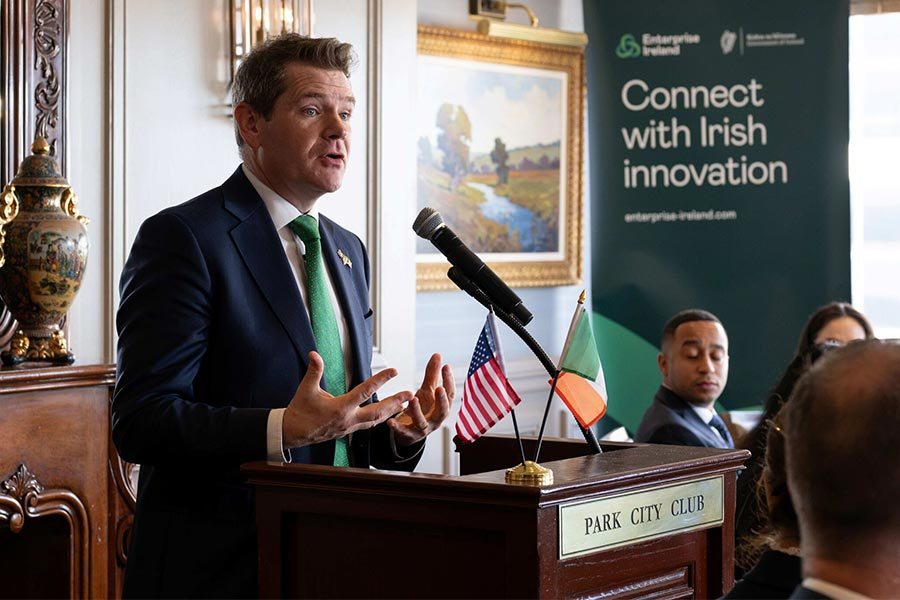
On July 1, 2026, Ireland assumed the presidency of the Council of the European Union at a particularly important moment for Europe’s economy and for Irish business.
Across the EU, governments and companies face the same challenge: how to remain competitive in an increasingly uncertain global environment.
Rising geopolitical tensions, energy costs, regulatory complexity and international competition for investment are all forcing Europe to rethink how it supports growth, innovation and enterprise.
For Ireland, the presidency represents more than a diplomatic milestone. It is an opportunity to help shape Europe’s business agenda at a time when competitiveness has become central to economic policy discussions in Brussels.
From the perspective of companies operating in Ireland, one of the biggest expectations will be that Europe moves beyond ambition and focuses on delivery.
Businesses across sectors from transport and logistics to technology, manufacturing and services are looking for a more practical and business-friendly European environment.
In recent years many businesses, particularly SMEs, have struggled under the growing weight of administrative and regulatory obligations.
While regulation plays an important role in areas such as sustainability and digital governance, there is increasing concern that excessive complexity can undermine innovation and growth.
The European Commission has already acknowledged this challenge and has started advancing measures aimed at reducing unnecessary reporting requirements and easing compliance burdens.
For many Irish businesses, this is a welcome and necessary shift. Irish businesses are looking for simplified compliance, coordinated regulatory timelines and reduced reporting duplication.
The competitiveness debate is no longer simply about attracting multinational investment, although that remains critically important for Ireland.
It is also about ensuring that companies already operating here can scale, invest and compete effectively within the European market.
Housing, labour availability and planning reform are not just domestic policy issues, they are trade-enabling infrastructure.
Ireland has positioned itself as a gateway between Europe, the US and global markets, particularly post-Brexit. Ireland can position itself as a bridge between the EU and global markets, a pragmatic voice and a champion of competitiveness within EU policymaking.
During its presidency, Ireland will have an opportunity to reinforce its reputation as a stable, outward-looking and pro-business economy.
Another major issue during the presidency period will be discussions around the EU’s next long-term budget and investment priorities.
Businesses will watch closely to see how Europe finances its future competitiveness. Investment in infrastructure, transport, digitalisation, energy resilience and skills development will be essential if Europe wants to maintain economic momentum and strategic autonomy.
For Ireland, these discussions matter enormously. Continued investment in connectivity and logistics infrastructure is vital not only for domestic growth, but also for maintaining Ireland’s attractiveness as an international business location.
Ireland’s presidency also offers an opportunity to strengthen economic cooperation across Europe. Ireland has traditionally played a constructive role within the EU, often acting as a bridge between different political and economic perspectives.
That balanced approach will be valuable at a time when Europe needs greater alignment on trade, industrial policy and investment.

Ultimately, the success of Ireland’s EU presidency will not be measured solely by political agreements reached in Brussels. It will also be judged by whether or not it helps create a more competitive, agile and investment-friendly European economy.
For Irish business, this presidency is an opportunity to ensure that practical economic realities remain at the centre of European policymaking.
If Ireland can help drive a balanced approach (one that combines ambition with competitiveness and regulation with practicality), it will deliver benefits not just for Ireland, but for businesses across Europe.
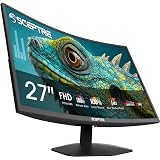
New! Sceptre Curved 27-inch Prime Gaming Monitor DisplayPort x2 180Hz HDMI x2 180Hz 1500R 1ms Build-in Speakers, Machine Black 2027 (C275B-FW180T Series)
$99.97 (as of October 21, 2026 03:33 GMT +00:00 - More infoProduct prices and availability are accurate as of the date/time indicated and are subject to change. Any price and availability information displayed on [relevant Amazon Site(s), as applicable] at the time of purchase will apply to the purchase of this product.)
Alex Tech 10ft - 1/2 inch Cord Protector Wire Loom Tubing Cable Sleeve Split Sleeving For USB Cable Power Cord Audio Video Cable – Protect Cat From Chewing - Black
$8.99 (as of October 21, 2026 03:22 GMT +00:00 - More infoProduct prices and availability are accurate as of the date/time indicated and are subject to change. Any price and availability information displayed on [relevant Amazon Site(s), as applicable] at the time of purchase will apply to the purchase of this product.)
Amazon Kindle Colorsoft Signature Edition 32GB (newest model), Thinner, new aluminum design, 7" color display, Auto-adjusting front light, Fig
$319.99 (as of October 21, 2026 03:33 GMT +00:00 - More infoProduct prices and availability are accurate as of the date/time indicated and are subject to change. Any price and availability information displayed on [relevant Amazon Site(s), as applicable] at the time of purchase will apply to the purchase of this product.)
FUJIFILM Instax Mini Instant Film Twin Pack (White), 20 Photos | The instax film ensures sharp
$18.17 (as of October 21, 2026 03:22 GMT +00:00 - More infoProduct prices and availability are accurate as of the date/time indicated and are subject to change. Any price and availability information displayed on [relevant Amazon Site(s), as applicable] at the time of purchase will apply to the purchase of this product.)











Post Comment