Christian Nationalism’s Devastating Grip: How It’s Crushing Faith and Freedom in America—What No One’s Telling You!
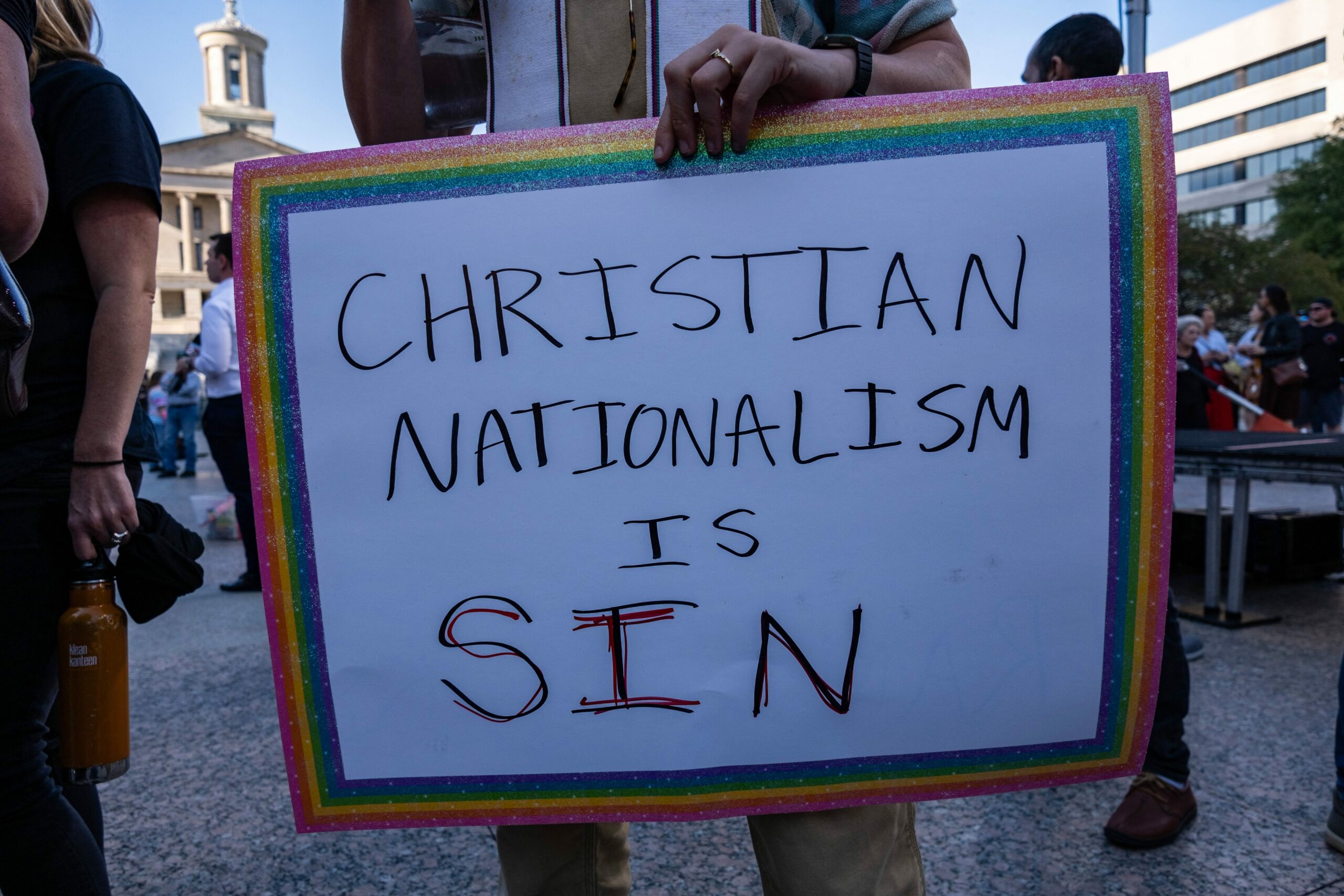
About ten years ago, I found myself on the Wind River reservation just outside Riverton, Wyoming — a place where the wind doesn’t mess around, starting its journey all the way from upper Saskatchewan. The people I met were no strangers to struggle and resilience, carrying the heavy legacy of tragic history and fierce spirit. Fast forward, and here we are, watching a fresh storm brew — not of nature’s making, but one tangled in the fierce clash between tribal sovereignty and religious freedom. Imagine a church sermon that outright slams centuries-old Northern Arapaho traditions during a sacred Sundance celebration — guess what? The message from the reservation was crystal clear: “Leave.” The unfolding drama blends deep-rooted pain, centuries of missionary upheaval, and a modern legal showdown with a side of Christian Nationalist fire. So, when does religious liberty cross the line from protection to provocation? Spoiler: it’s nowhere near a simple answer. Dive in for a whirlwind ride through history, hurt, and hard questions that refuse to go away. LEARN MORE
 4 min read
About a decade ago, I spent a week on the Wind River reservation outside Riverton, Wyoming. It is a stark, beautiful place where the winds start somewhere in upper Saskatchewan. The people I met there were tough, struggling folks, descendants of the victims of the Sand Creek massacre, descendants of the northern Arapaho people some of whom rode with Crazy Horse to Little Big Horn. I’ve kept an eye out through the years for news about Wind River. (In 2017, Jeremy Renner starred in a pretty good murder mystery based on the reservation.) Recently, I’ve read about an actual religious conflict playing itself out at Wind River. From WyoFile:
The clash has spurred legal questions focused squarely on tribal sovereignty and religious freedom. While both sides have promised they’re ready to fight in court, Foundations for Nations made the first move Friday with a discrimination complaint filed by a legal nonprofit based in Florida. After Foundations for Nations pastor Sarah Lucas condemned Northern Arapaho traditional ways in a sermon during the tribe’s Sundance celebration, diverse voices from across the Wind River Reservation and Native Country have coalesced into a singular message to the church: Leave.
“Jesus can stay,” Darci Quiver, a member of the Northern Arapaho Tribe, explained after standing for hours in 100-degree heat outside the reservation church’s gate. “Her and her family?” Quiver said, referring to Lucas. “They need to pack up and go.”
The history of Christian missionaries among the indigenous populations in the New World is deeply fraught going back to the days of the Jesuits proselytizing in and around the Great Lakes. Its most grotesque manifestations were in the religious boarding schools to which indigenous children were shanghaied and had their native culture beaten out of them, often literally. There is an ugly record of abuse of the Native people in the California missions.
And it’s not as though the residents of Wind River are intrinsically opposed to other religions. A Catholic school has operated on the reservation since 1884. There is an Episcopalian school that has been operating nearly as long. But then there’s this come-and-go Christian Nationalist type who disparages religious practices that probably predate Christianity by a millenia or two.
On July 5, just as the Northern Arapaho Sundance was coming to a close, Lucas stood before her congregation and spoke specifically about the tribe’s sacred ceremony. “I pray as the people coming out of Sundance today, their last day, they’re going back into community,” she said in a video that quickly went viral. “You have generations, generations, centuries of people doing this offering, going in and being, making vows to change, Father God. And we see no fruit.” Lucas ushered several Native people up to share their testimony about how they had rejected their traditional spiritual ways, and urged others to turn away from “demonic activity.”
Lucas pointed to the Northern Arapaho Tribe’s sacred pipe and its ceremonial and spiritual use, calling it idol worship. “The pipe cannot hear your prayers. It’s just a piece of material, right? And this is a cycle that they’re caught up in, and this is all they’ve ever known,” she said. “And the Lord is saying, ‘Tear down the idols, tear down the altars, the idol worship.’”
Can’t imagine why that would raise any hackles.
And now, the wing nut legal apparatus is involved, and the Liberty Counsel is one of the wingiest of wing nut outfits.
Church leaders said they could not be legally removed from property they own on the reservation, adding, “we are in contact with legal counsel and are preparing to pursue this in federal court as soon as possible in order to uphold our Constitutional rights to preach the gospel … We are not stopping.” On Friday, Florida-based Christian litigation and policy nonprofit Liberty Counsel announced that it had filed a discrimination complaint with the USDA on behalf of the Foundations for Nations church. The complaint argues that the Food Bank of Wyoming unlawfully cut off a partnership that has for years helped stock the shelves of the church’s food pantry in Riverton on the basis of religious, political and racial discrimination. The food pantry is not on the reservation.
Meddling in Native religious practices began its most recent appearance in the 1990 Supreme Court decision in Employment Division v. Smith, in which the Court decided that Oregon could deny unemployment benefits to Native citizens who used peyote in their religious ceremony. Since then, of course, “religious liberty” has become a useful tool by which to pry loose the restrictions of our secular Constitution. Thee, but not for me is nothing sacred.
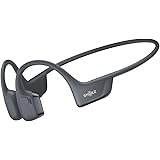
SHOKZ OpenRun Pro 2 Bone Conduction Bluetooth Sport Headphones, Black | Bundle with Reflective Strip;DualPitch premium sound;Open ear awareness; Smart Mic; IP55; 12H battery; Running/Cycling/Hiking
$179.95 (as of August 25, 2026 03:03 GMT +00:00 - More infoProduct prices and availability are accurate as of the date/time indicated and are subject to change. Any price and availability information displayed on [relevant Amazon Site(s), as applicable] at the time of purchase will apply to the purchase of this product.)
66 Count 26"x11.8" Cat Litter Box Bags Liners for Automatic Cat Litter Box | Drawstring, Pre-Separated, Fit Fmo Cmg and Most Self Cleaning Cat Litter Box, Leakproof and Odor Control, Value Pack
$9.99 (as of August 25, 2026 03:03 GMT +00:00 - More infoProduct prices and availability are accurate as of the date/time indicated and are subject to change. Any price and availability information displayed on [relevant Amazon Site(s), as applicable] at the time of purchase will apply to the purchase of this product.)
Bedsure Calming Dog Bed Medium Size Dog Donut Washable Pet Bed,30ins Camel | Oprah Daily Sleep Award,Fluffy Faux Fur Round Cuddler,Anti-Slip Bottom,Anti-Anxiety,Deep Sleep for Pets Up to 45 Lbs
$29.98 (as of August 25, 2026 03:03 GMT +00:00 - More infoProduct prices and availability are accurate as of the date/time indicated and are subject to change. Any price and availability information displayed on [relevant Amazon Site(s), as applicable] at the time of purchase will apply to the purchase of this product.)
Medium Hass Avocado
(as of August 25, 2026 02:56 GMT +00:00 - More infoProduct prices and availability are accurate as of the date/time indicated and are subject to change. Any price and availability information displayed on [relevant Amazon Site(s), as applicable] at the time of purchase will apply to the purchase of this product.)












Post Comment