Why the Sudden Drop in Commercial Vacancy Rates Could Change the Game for Investors in 2024
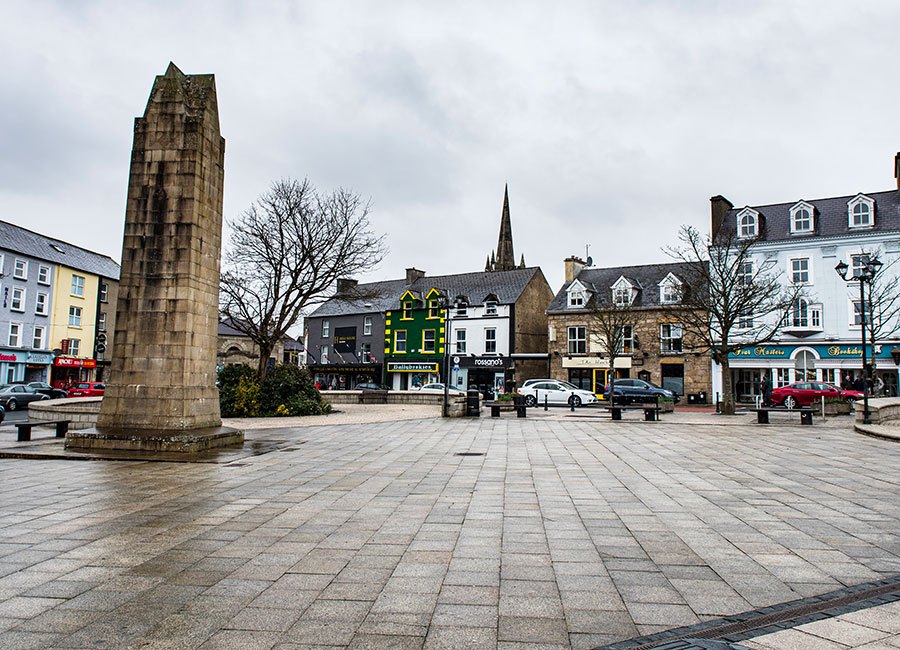
Ever wonder what it means when the national commercial vacancy rate actually drops for the first time since 2013? Yeah, it’s a modest dip—just 0.1 percentage points—but it’s enough to make anyone raised on real estate and market trends sit up and take notice. After over a decade of climbing vacancies, GeoDirectory and EY’s latest report reveals a subtle but fascinating shift, nudging that rate down to 14.5%. Now, 30,611 commercial properties still sit empty, which begs the question: are we truly turning a corner, or is this just a blip in a much larger, patchier story? With counties like Donegal sporting the highest vacancy rates and Dublin’s districts wrestling with wide discrepancies, the landscape is anything but uniform. It’s a clear signal that local economies and changing consumer behaviors are reshaping the playing field—forcing property owners and small businesses to pivot hard or risk being part of that vacancy statistic. Curious to dig deeper into what’s really happening on the ground across Ireland? LEARN MORE
The national commercial vacancy rate declined for the first time since records began in 2013 last quarter, according to GeoDirectory and EY.
The marginal (-0.1 percentage points) year-on-year decrease saw the commercial vacancy rate decline to 14.5%.
A total of 30,611 commercial properties were classified as vacant in the second quarter, with vacancy rates increasing in 13 counties, falling in 12 and remaining unchanged in Cavan.
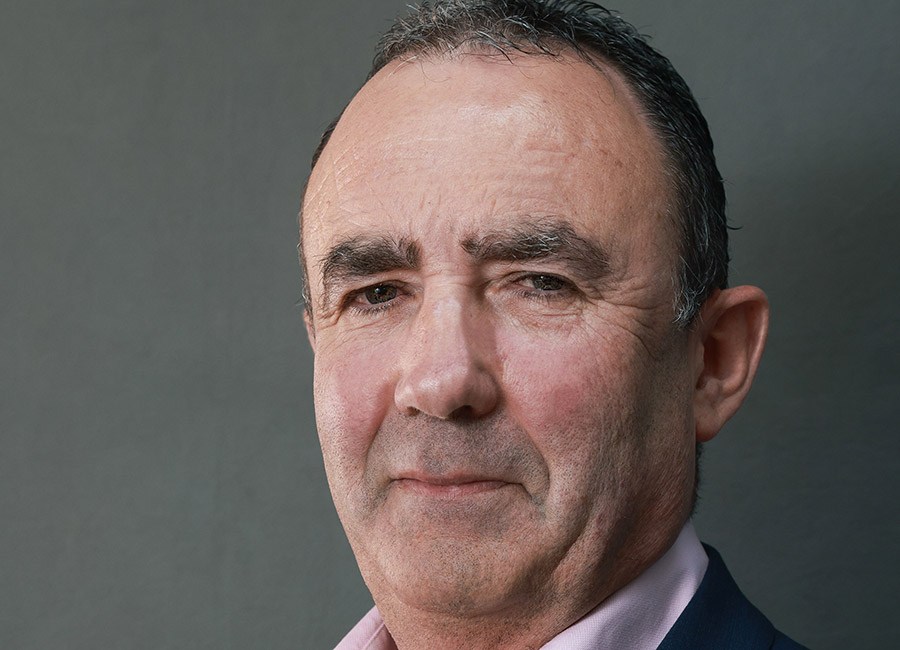
“The national commercial vacancy rate has edged down slightly to 14.5%, marking our first year-on-year drop since GeoDirectory began reporting on this data in 2013, the broader picture remains one of significant local variance,” said Dara Keogh, CEO of GeoDirectory.
“With over 30,611 commercial units lying vacant across the country and 13 counties still seeing vacancy increases, commercial property owners and local high streets need to continue to adapt to shifting consumer habits.”
The west and north-west had the highest concentration of vacant commercial sites, with one in five commercial properties in Donegal (20.7%) lying vacant, the highest level in the state.
Sligo (20.2%), Galway (18.6%), Leitrim and Limerick (both 18.1%) made up the remainder of the top five highest county vacancy rates, with all five Connacht counties featuring in the top seven nationwide.
At the other end of the scale, Meath recorded the lowest commercial vacancy rate in the country at 9.9%, making it the only county under the 10% mark. Wexford (11.2%), Westmeath (12.0%), Kerry (12.3%), and Cavan (12.7%) rounded out the counties with the lowest rates.
A total of counties had a vacancy rate below the national vacancy rate of 14.5%, including Dublin, where the commercial vacancy rate stood at 13.3% in Q2 2026, a 0.6 point reduction compared to Q2 2025.
Within the capital, Dublin 8 recorded the highest vacancy rate (17.6%), followed by Dublin 9 (16.8%) and Dublin 3 (16.5%).
Dublin 2 registered the most dramatic improvement in the city, with vacancy rates dropping 4.3 points year-on-year to 14.1%.
Dublin 15 posted the lowest vacancy rate in the capital at 6.7%, followed by Dublin 16 (8.3%) and Dublin 20 (8.8%). Overall, 17 of the 22 Dublin postal districts recorded vacancy rates equal to or below the national average.
Of the 80 towns and urban areas analysed nationwide, Shannon, Co. Clare registered the highest commercial vacancy rate at 34.9%.
Ballybofey, Co. Donegal recorded the second-highest rate at 34.5%, followed by Boyle, Co. Roscommon at 30.1%.
Carrigaline, Co. Cork (5.1%) and Greystones, Co. Wicklow (7.3%) recorded the lowest commercial vacancy rates among the sampled towns.
With the exception of health and education, all sectors saw a decline in the number of commercial units.
The services sector continues to hold the dominant share of occupied commercial space nationwide at 49.5% (75,305 units), despite experiencing the largest overall volume drop (down 457 units).
Retail and wholesale represent the second-largest grouping at 21.7% (33,013 units), down 434 units year-on-year, while health accounts for 9.6% (14,652 units).
Within the services sector, accommodation and food services had the highest number of commercial units at 22,042, down 439 units compared to Q2 2025.
Coastal and tourism-heavy counties in the west recorded the highest reliance on this sector, led by Kerry (23.7%), Clare (20.3%), and Donegal (18.9%). Monaghan recorded the lowest concentration at 8.2%.
Simon MacAllister, partner at EY Ireland, said, “While the decline in the national commercial vacancy rates is modest, it is significant as it marks a break from a long period of steadily rising commercial vacancies since 2013.

“The data highlights a growing divide between areas benefiting from population growth, employment and investment, particularly in the East, and those that continue to face challenges sustaining commercial activity, especially in the West and Northwest.
“This underlines the need for sustained investment and policy measures to support town centre vitality and long-term economic growth.”
(Pic: Getty Images)
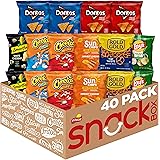
Frito-Lay Fun Times Mix Variety Pack, 40 Count
$22.43 (as of August 26, 2026 03:08 GMT +00:00 - More infoProduct prices and availability are accurate as of the date/time indicated and are subject to change. Any price and availability information displayed on [relevant Amazon Site(s), as applicable] at the time of purchase will apply to the purchase of this product.)
Nespresso Capsules Vertuo, Variety Pack, Medium and Dark Roast Coffee, 30 Count Coffee Pods, Brews 7.8 oz.
$42.00 (as of August 26, 2026 02:56 GMT +00:00 - More infoProduct prices and availability are accurate as of the date/time indicated and are subject to change. Any price and availability information displayed on [relevant Amazon Site(s), as applicable] at the time of purchase will apply to the purchase of this product.)
Smarties Candy Bulk Rolls Original Flavor, Gluten & Vegan Free, Classic Sweetness from Family Owned Company Since 1949, Peanut-Free & Dairy-Free, Perfect Halloween, 1 lb Bag
$12.49 (as of August 26, 2026 03:08 GMT +00:00 - More infoProduct prices and availability are accurate as of the date/time indicated and are subject to change. Any price and availability information displayed on [relevant Amazon Site(s), as applicable] at the time of purchase will apply to the purchase of this product.)
Wired Headphones with Mic, 3.5mm Headphones Volume Control for School Black | Wired Over Ear Foldable Corded Headphones for Teens Classroom Travel Airplane, 4.9ft Tangle-Free Cord for Tablet Laptop Phone
$9.99 (as of August 26, 2026 03:10 GMT +00:00 - More infoProduct prices and availability are accurate as of the date/time indicated and are subject to change. Any price and availability information displayed on [relevant Amazon Site(s), as applicable] at the time of purchase will apply to the purchase of this product.)












Post Comment