Unlock the Ocean’s Hidden Superfood: Why Sea Vegetables Could Be the Game-Changer Your Nutrition Has Been Missing
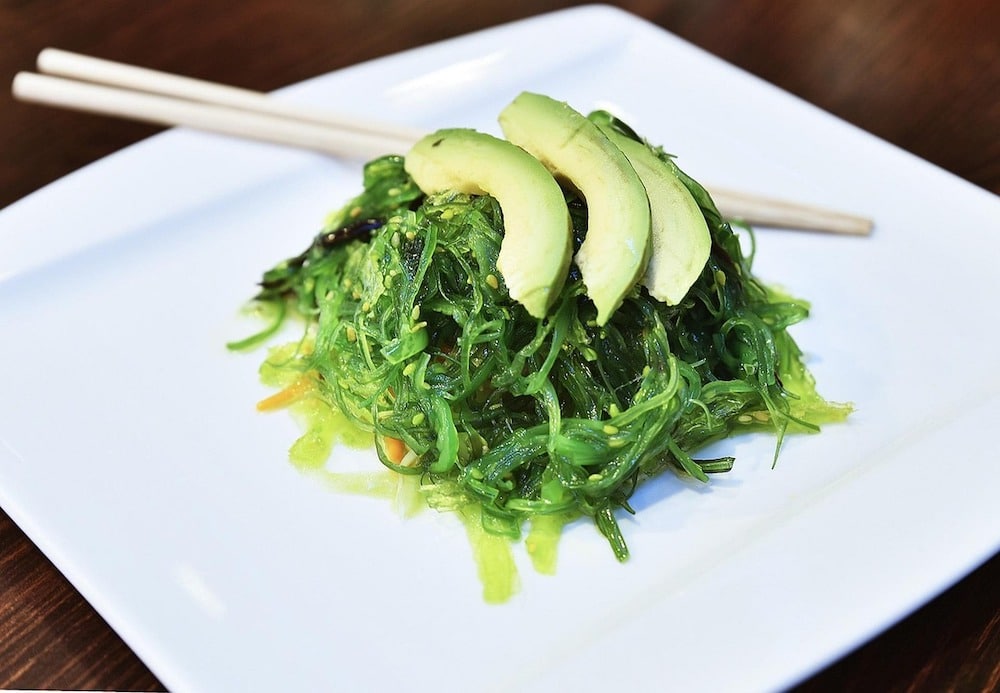
Ever paused to consider that the humble seaweed on your sushi roll might just be one of the most nutrient-packed, sustainable foods on the planet? It’s wild to think about, but sea vegetables—those oceanic cousins to our leafy greens—have been quietly nourishing cultures across the globe for thousands of years. Yet, only recently have they surged into the spotlight, thanks not just to their rich nutritional profiles but also to the growing hunger for sustainable food choices. I get it, though—introducing seaweed into your diet might feel like you’re venturing into uncharted waters. But here’s a little secret: they’re surprisingly easy to use and can add a delightful twist to your meals. Packed with fiber, essential fatty acids, vitamins, and minerals, these ocean goodies deserve a spot on your plate. Curious about what sea vegetables really bring to the table and how to start enjoying them? Dive in—there’s a whole world beneath the waves waiting to be explored. LEARN MORE
Just like their earthly cousins, sea vegetables can be a great source of nutrients and a fantastic part of a balanced diet. While sea veggies, or what we often call seaweed, have been part of diets all over the world for thousands of years, there is newer interest because of their health benefits and sustainability.
Finding ways to introduce these foods into the diet can feel daunting but sea vegetables are actually very easy to use and delicious. They can also be great sources of fiber, essential fatty acids and vitamins and minerals.
Eating Sea Vegetables in the Past and Now
While we may associate seaweeds with Asian diets where they have been consistently eaten for hundreds of years, there is evidence that Europeans have eaten it for thousands of years as well. Additionally, Nordic countries, Polynesia and the Caribbean have included them in cultural foods.
More recently, components of sea vegetables have been used in packaged foods. They can help with thickening, stabilizing and adding flavors. But just like with any isolated part of a food, you lose the benefits without the whole food included.
The Types of Sea Vegetables
When we talk about sea vegetables nutritionally, we risk clumping them all together in a food that actually has a ton of variety in taste and texture but also in nutrient levels.
It’s helpful to know there are three major types of sea vegetables, each with a number of kinds within them.
Brown algae (or Phaeophyceae class) is usually brown or yellow in color and includes kelp and some lesser used in Western diets like mozuku and hijiki.
Red algae (or Rhodophyta class) includes dulse and nori but is the largest group of seaweed types.
Green algae (or Chlorophyta class) tends to be a darker green all the way to a yellowish green. There are not as many types but one kind that is consumed is called sea lettuce.
Generally speaking green and red seaweeds tend to be higher in protein than the brown type. Red usually has more soluble fiber while brown contains more insoluble fiber. Nutrient levels can also be impacted by the specific body of water where they are growing, seasonal changes and other environmental impacts.
Sea Vegetables: Beneficial Nutrients and Health Benefits
Despite the many differences between kinds of sea vegetables, it is still possible to look at some of their overall benefits, especially in comparison to land vegetables.
Omega-3 Fatty Acids
Usually, the omega-3 fatty acids DHA (docosahexaenoic acid) and EPA (eicosapentaenoic acid) are only found in animal-based foods, namely fish. From plants like chia and flax seeds you can find ALA (alpha-linolenic acid) but not DHA and EPA.
But sea vegetables are one of the only sources of plant-based DHA and EPA. This can be especially helpful for those who don’t consume animal foods, since ALA conversion into DHA and EPA isn’t well done by humans.
Red algae contains the most EPA and the green type contains the most DHA.
Fiber and Gut Health
The fiber in sea vegetables gives it a number of health benefits, including acting as a prebiotic to feed gut bacteria, lowering cholesterol and delaying the sensation of hunger.
While they can contain both soluble and insoluble fiber, sea vegetables contain much larger quantities of soluble fiber than land vegetables, as much as 55 to 70% of their weight.
Protein and Essential Amino Acids
Sea vegetables are not very high in protein but they do contain all nine essential amino acids, with all types containing a similar amount. They are highest in glycine, alanine, arginine, proline, glutamic, and aspartic acids.
Vitamins and Antioxidants
Sea vegetables contain more vitamin C than iceberg lettuce and more carotenoids (vitamin A) than carrots.
They are also one of only a few plant-based foods that contain vitamin B12, which mostly comes from animal-based foods. The highest concentrations are found in purple laver, which, when dried, has 3-6mcg per 10g of dry weight. The recommended dietary allowance is 2.5mcg.
Sea vegetables even contain small amounts of vitamins E and K. The A, C and E as well as a number of polyphenols, polysaccharides and pigments give them high antioxidant activity. This makes them great against free radicals, oxidative stress and cell damage.
Minerals and Iodine
When it comes to minerals, seaweed is generally high in potassium, manganese, sodium and calcium.
But where it really shines is with iodine, a mineral crucial to thyroid function.
It is recommended to get 150mcg of iodine per day. Every kind of sea vegetables contains at least that much in a single gram. And kombu, a brown algae, can contain 2,500-10,000mcg.
The thyroid support is double fold thanks to the amino acid tyrosine that is found in sea vegetables. Working with iodine, tyrosine helps the thyroid regulate metabolism.
Too Much of a Good Thing
As great as sea vegetables are, it is possible to get too much of a good thing. As seen with the high amount of iodine, one can overdo it.
One thing to note historically is that although eaten for centuries, sea vegetables were never a large part of the meal. Even in Asian countries known most for its inclusion in the diet, seaweed was almost always eaten in small quantities. It is often used as a flavoring in soups and salads, not as the entire salad itself.
Additionally, it has been common to pair seaweed with other foods that inhibit some of the iodine absorption. This includes goitrogens such as cabbage, broccoli and wok choy.
If you suffer from hyperthyroidism, talk to a healthcare professional like your primary care physician before adding sea vegetables to your diet.
Sea vegetables can also carry a risk of heavy metal accumulation depending on the water source where they grew.
Fortunately, an increasing number of sea vegetables used for consumption are grown in tanks. Plus they are regularly tested for heavy metals such as cadmium, mercury and lead.
It is best to buy products labeled as organic for this reason.
How to Eat Sea Vegetables
If you’re ready to try sea vegetables but don’t know where to start, here are some types that can feel approachable and easy to include in your meals.
Nori
Easily the easiest seaweed to find, this is the red algae found wrapped around sushi and now sold as kids’ school snacks as well. It is dried into sheets and sometimes has added flavors.
It can be eaten alone, with rice or wrapped around fish and/or fresh veggies. In Korea it is known as gim and is called laver in Ireland and Wales, where it is baked into bread.
Dulse
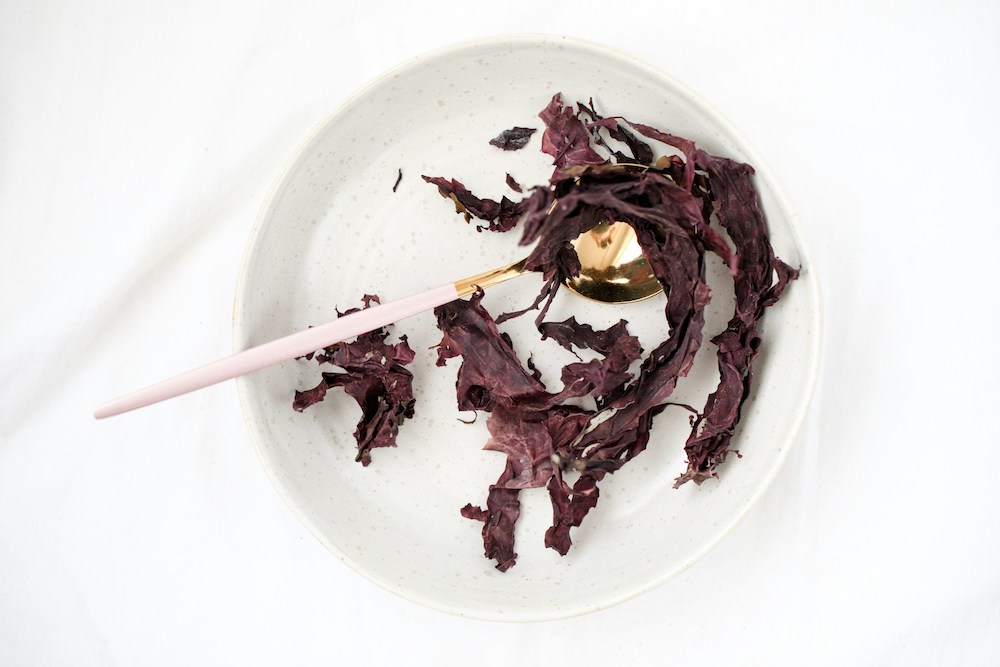
Another red algae, dulse has a briny flavor and can be found in small granules, making it easy to sprinkle onto foods. Because of its natural umami flavor, it is great on popcorn, with eggs and in soups.
The flavor is even sometimes compared to bacon because it tastes a bit smokey.
Wakame
If you’ve seen wakame in stores you may not have recognized it. But it is most often spotted floating in miso soup. It is sold dried and appears almost black. But once rehydrated, it unfurls into a deep green.
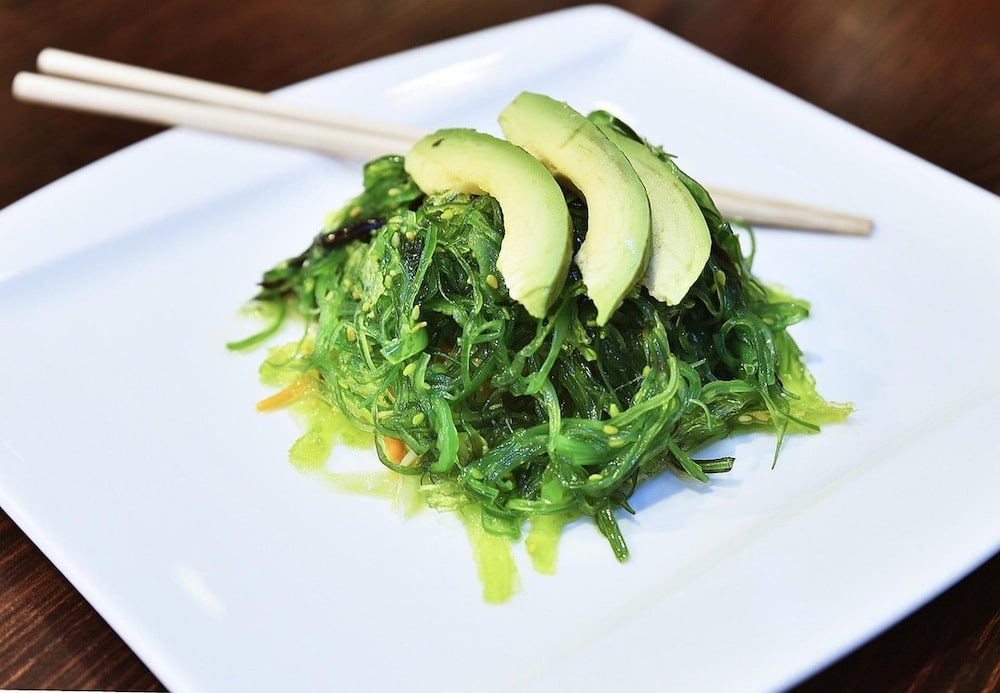
Wakame is a type of kelp and is also great in salads.
Kombu
Because of its high iodine content, kombu should be eaten sparingly. But this kelp is the base of dashi broths used in many soups, like ramen.
More and more grocery stores offer sea vegetable options. But if you struggle to find them, check Asian markets for the best selection.
Want more inspiration? Try this soup with kombu or add it to your bone broth. Or check out this salmon recipe with nori.
Sea vegetables piqued your interest in nutrition? It’s never too late (or too early) to learn about the Nutrition Therapy Institute’s Nutrition Therapist Master certification.
And you have the freedom to start with a group on a set date or start when is convenient for you with the independent option.
Not sure what you would do with the certification? Here are some ideas and ways alumni have kick-started new careers or supported their existing ones.
About the author: Maya Strausberg earned her Master Nutrition Therapist certification from NTI before starting her nutrition therapy private practice. She now offers writing and editing services for nutritionists and other health practitioners around the world through her business, Family Tree Nutrition.
Images:
- Photo by Siobhan Dolezal from Pixabay
- Photo by zuzyusa from Pixabay
- Photo by Bakd&Raw by Karolin Baitinger on Unsplash

GeniKiss Nano Blue Light Deodorizer Spray Refill Pet & Home Odor Eliminator | Bio-Enzyme Odor Control, For Dog & Cat Urine, Litter Box, Carpets, Trash Bins & Car Interiors, Safe for People & Pets
$32.99 (as of August 26, 2026 03:03 GMT +00:00 - More infoProduct prices and availability are accurate as of the date/time indicated and are subject to change. Any price and availability information displayed on [relevant Amazon Site(s), as applicable] at the time of purchase will apply to the purchase of this product.)
Amazon Basics Surge Protector Power Strip, 6-Outlet, 790 Joules, Circuit Breaker, LED Indicator, 6ft Extension Cord, White
$11.01 (as of August 26, 2026 03:03 GMT +00:00 - More infoProduct prices and availability are accurate as of the date/time indicated and are subject to change. Any price and availability information displayed on [relevant Amazon Site(s), as applicable] at the time of purchase will apply to the purchase of this product.)
Temptations Classic Crunchy and Soft Cat Treats, Tasty Chicken, 30 oz | Under 2 calories per treat, crunchy outside & soft inside, resealable tub, use as meal or topper, 100% complete & balanced
$13.97 (as of August 26, 2026 02:57 GMT +00:00 - More infoProduct prices and availability are accurate as of the date/time indicated and are subject to change. Any price and availability information displayed on [relevant Amazon Site(s), as applicable] at the time of purchase will apply to the purchase of this product.)
Amazon Echo Show 11 (newest model), Vibrant Full-HD 11" display with more viewing area and spatial audio, Designed for Alexa+, Graphite
$249.99 (as of August 26, 2026 03:21 GMT +00:00 - More infoProduct prices and availability are accurate as of the date/time indicated and are subject to change. Any price and availability information displayed on [relevant Amazon Site(s), as applicable] at the time of purchase will apply to the purchase of this product.)













Post Comment