
7 Sneaky Foods Wrecking Your IBS—A Top Gastroenterologist Spills the Shocking Truth!
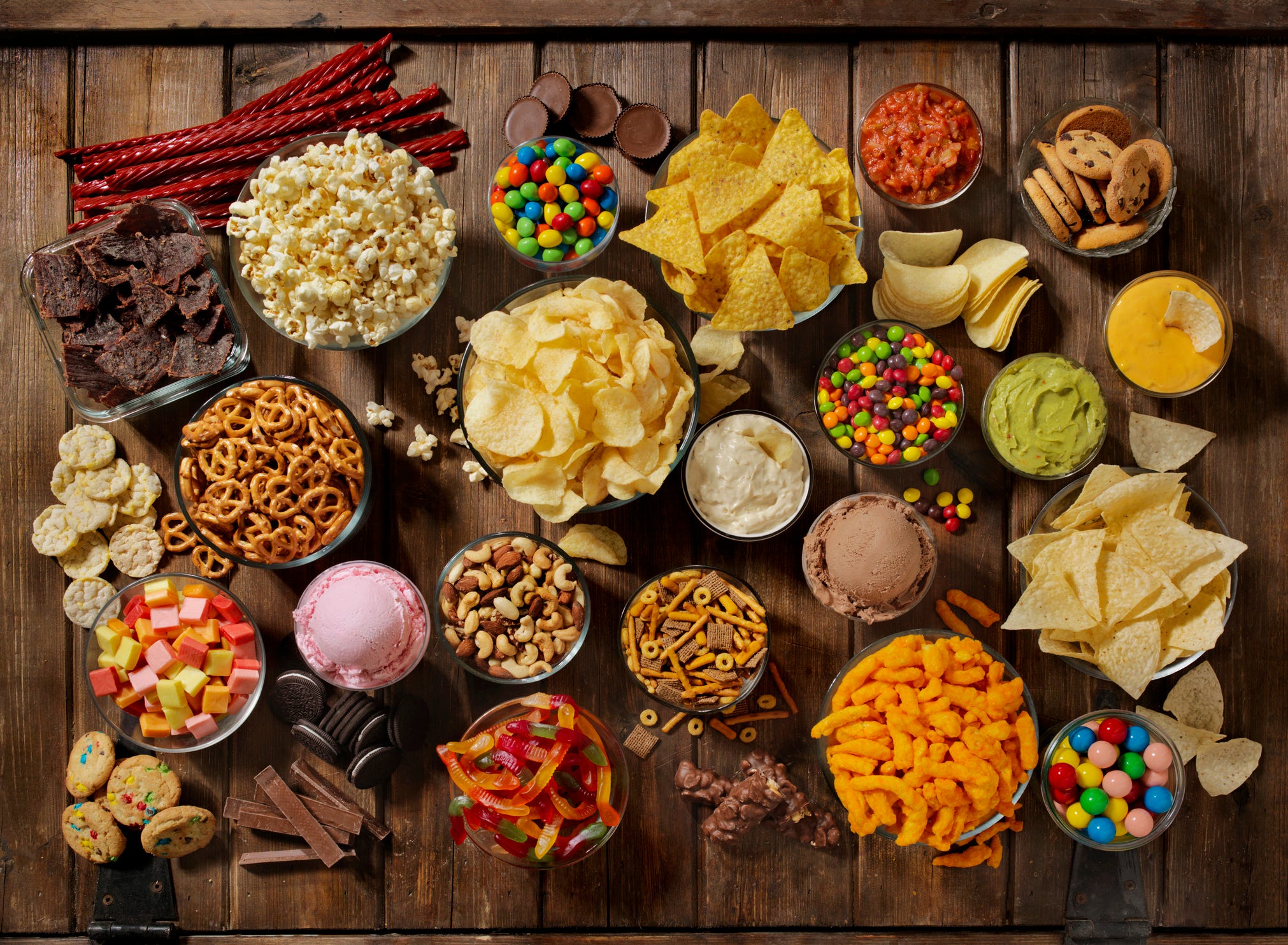
Ever wonder why that bag of chips or fizzy soda sometimes leaves you feeling like a bloated balloon ready to pop? Or why your morning coffee might trigger an unwelcome tummy tantrum? If you’ve been grappling with IBS and constipation, it’s not just you—these sneaky foods could be the culprits stirring up the storm inside your gut. From ultra-processed snacks packed with mystery ingredients to everyday culprits like dairy and artificial sweeteners, navigating what to eat can feel like decoding a cryptic puzzle. But don’t worry—I’ve sifted through the confusion and tapped into expert advice to bring you the lowdown on which foods might be quietly sabotaging your digestive mojo. Ready to get your gut groove back? Let’s dive in together. LEARN MORE
Ultra-Processed Foods

“If you’re prone to constipation, then processed foods (cookies and chips) and white flour products (pastries, breads) can worsen the constipation,” says Dr. Nazareth.
Plus, packaged snacks, sweets and other highly processed foods often contain a lot of added sugars, fats, and salt—as well as unrecognizable ingredients that can be messing with your gut. It’s best to avoid altogether, especially if you find these foods trigger your IBS constipation symptoms.
Carbonated Beverages

Dealing with a lot of bloating? It’s best to skip anything with bubbles such as sparkling water, seltzers, and sodas.
“The fizz from carbonated drinks can make you feel gassy,” says Dr. Nazareth. Not ideal.
Dairy

Lactose-containing milk, cheese, and ice creams can lead to gas, bloating and diarrhea in anyone who is lactose intolerant, obviously—but many people with IBS have identified dairy foods as a source of discomfort and a trigger for their symptoms.
Artificial Sweeteners

Commonly found in sugar-free snacks and candies, sugar substitutes can cause havoc on your GI tract, since they’re hard for your stomach to properly digest.
Pay attention and you’ll find them in other foods you probably eat on the reg—salad dressings, condiments and beverages. Peep nutrition labels to check for a few common culprits: aspartame, saccharin, sucralose, and any ingredient ending in “-ol” (i.e. sorbitol and xylitol).
Certain Fruit & Vegetables

While you may think there’s no such thing as too much fresh produce (an apple a day, amirite?), that’s not the case for people with IBS. Too much fiber from the fruit or veggie skins can lead to an IBS flare-up, suggests Dr. Nazareth. Plus, plenty of fruits and vegetables contain a ton of FODMAPs.
Caffeine

“I’d recommend people with IBS to avoid large amounts of caffeine if possible,” says Dr. Nazareth. Limiting tea, soda, chocolate, and coffee on the regular could potentially help minimize symptoms and better manage diarrhea related to IBS.
Fried & Fatty Foods

Because fried foods tend to absorb more of the fat they’re cooked with than baked or grilled versions, they can introduce GI distress.

Trish (she/her) is the Deputy Food Editor at Good Meals, where she covers all things food, from cooking trends and delicious recipes to top-tested kitchen products and grocery finds. She has over a decade of experience writing about food for GH, Women’s Health, Prevention, Redbook, Woman’s Day, The Daily Meal and Food Network. When she’s not at the supermarket or trying out a new recipe, can you find her at the beach, in her backyard or on the couch — prepared with a glass of wine in hand.
Watch Next

Advertisement – Continue Reading Below
Readers Also Read
Advertisement – Continue Reading Below
Advertisement – Continue Reading Below
ARM & HAMMER Cloud Control Platinum- Improved Packaging Clumping Cat Litter, 34 lb
$32.16 (as of October 24, 2026 03:23 GMT +00:00 - More infoProduct prices and availability are accurate as of the date/time indicated and are subject to change. Any price and availability information displayed on [relevant Amazon Site(s), as applicable] at the time of purchase will apply to the purchase of this product.)
ARM & HAMMER Slide Platinum Easy Clean-Up Clumping Cat Litter, 34 lbs | 24/7 Odor Control, Triple-Action Freshness, Non-Stick, Low Tracking, Multi-Cat Formula, Scented, Online Only
$34.99 (as of October 24, 2026 03:23 GMT +00:00 - More infoProduct prices and availability are accurate as of the date/time indicated and are subject to change. Any price and availability information displayed on [relevant Amazon Site(s), as applicable] at the time of purchase will apply to the purchase of this product.)
Blue Buffalo Health Bars Pumpkin & Cinnamon Dog Biscuits, 16 oz | Oven-Baked, Crunchy Texture, No Chicken By-Product, Corn, Wheat, or Soy
$4.98 (as of October 24, 2026 03:13 GMT +00:00 - More infoProduct prices and availability are accurate as of the date/time indicated and are subject to change. Any price and availability information displayed on [relevant Amazon Site(s), as applicable] at the time of purchase will apply to the purchase of this product.)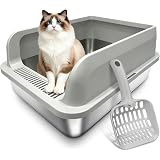
Camvivid Stainless Steel Litter Box, Covered with Lid, 17.3x13.4x7.9in, Litter Scoop & Anti-Skid Stickers, High Walls, Odor Free, Non-Stick, Low Entry, Easy Clean for Kitten Multi-Cat Indoor Home
$25.99 (as of October 24, 2026 03:23 GMT +00:00 - More infoProduct prices and availability are accurate as of the date/time indicated and are subject to change. Any price and availability information displayed on [relevant Amazon Site(s), as applicable] at the time of purchase will apply to the purchase of this product.)











Post Comment