
Unlock the Hidden Power of ROBS Plans: The Secret Hack to Fund Your Business Without Breaking the Rules

Starting a business? Well, hold on—especially if you’re eyeing that retirement stash as your launch pad. Using retirement funds for your biz? That’s where a Rollover for Business Startups (ROBS) plan swoops in like a pro. It lets you funnel retirement savings straight into your startup without triggering those pesky early withdrawal penalties. Sounds like magic, right? But—here’s the kicker—the process demands laser-focused legal and admin steps right outta the gate.
Let me break it down for you: Getting a ROBS plan up and running isn’t a slapdash move. Every single step matters… no skipping allowed. These steps stack on top of each other like a fine-tuned engine. Miss one? You’re potentially cruising toward compliance headaches that’ll bite your business down the road. Nail it, though, and your startup taps into capital streams that keep the IRS and Department of Labor giving you thumbs-up instead of red flags.
The Launchpad: Your Qualified Retirement Account
First thing’s first—you gotta have retirement funds primed for this dance. Think: ex-employer 401(k)s, certain traditional IRAs that roll into qualified plans, or some employer-sponsored retirement accounts. But heads-up—if your current 401(k) is still active, it could be a wild card, filled with restrictions. Read those plan documents like you’re decoding a treasure map.
Once you confirm eligibility, ask yourself: Does rolling over via ROBS align with your big dreams? A lotta entrepreneurs hack through this by weighing loans or investors against this route before deciding. Knowing exactly what’s parked in your retirement account paints a crystal-clear picture of how far you can push your startup dreams.
Funding size? Yeah, that varies wildly. No one-size-fits-all here. But your available balance better sync with your startup budget and anticipated operating costs. Matching dollars to your business plan upfront? That’s no joke—it’s how savvy entrepreneurs dodge nasty financial surprises later.
Building the Backbone: Forming Your C Corporation
ROBS isn’t for LLCs, S corps, or whichever entity’s the flavor of the month. Nope, it’s a C corporation’s game all the way. This corp not only sponsors your retirement plan but also cranks out the company stock your retirement plan will buy. Post-incorporation, you set the legal groundworks before the money moves.
Typical to-dos at this stage include:
- Filing with your state to form that C corporation.
- Snagging an Employer Identification Number (EIN).
- Drafting corporate bylaws plus all the organizational paperwork.
- Appointing officers and directors who will steer the ship.
- Opening a business bank account to keep it all legit.
Getting your governance act together—right from day one—is crucial. Keep sharp records of meetings, resolutions, and stock issuances. Why? Because those notes become your best friends during any future audits or compliance checks.

The Retirement Plan That Makes It All Click
Once your C corp is standing tall, it’s time for the next step—a qualified retirement plan. This isn’t just paperwork—it’s the IRS-approved engine that lets your plan scoop up the rollover before buying company stock. Folks often call this “ROBS 401(k) business financing,” which, yep, basically nails the idea.
Documentation here? It’s your lifeline. The retirement plan demands ongoing admin, yearly reports, and unwavering compliance even after your funds are deposited. If you jump in without grasping these duties, it’s like starting a marathon wearing flip-flops.
The plan docs set the rules—who participates, how much they contribute, and how everything’s managed. Going pro on your documents slashes errors and bolsters stability—trust me, you want this.
The Big Transfer: Rollover and Stock Purchase
Now for the grand finale—the rollover itself. Eligible retirement funds are rolled into your new corporate retirement account. Do it by the book, and it’s a proper rollover, not a taxable event. Then? The retirement plan buys shares of your C corp’s stock. Your corporation pockets the cash from the sale, which feeds directly into its operating account.
That’s when the curtain lifts—your business finally accesses working capital to tackle everything from buying equipment, covering franchise fees, stocking inventory, managing payroll, sprucing up your space, or kicking off marketing blitzes. Keep records tight for every move—it keeps both

SUPERDANNY Extension Cord,Flat Plug Surge Protector Power Strip,10Ft | 8 AC & 4 USB Ports (2 USB C),Surge Protector with 1050J,Desk Charging Station for Home Office,College Dorm Room Essentials
$13.99 (as of October 15, 2026 03:21 GMT +00:00 - More infoProduct prices and availability are accurate as of the date/time indicated and are subject to change. Any price and availability information displayed on [relevant Amazon Site(s), as applicable] at the time of purchase will apply to the purchase of this product.)
PUR Gum, Spearmint, Xylitol Gum, No Artificial Flavor, 55 Count | No Artificial Sweeteners, Vegan, Sugar Free, Gluten Free, Soy Free, Nut & Peanut Free, Swiss Made, Keto Friendly chewing gum
$1.35 (as of October 15, 2026 03:09 GMT +00:00 - More infoProduct prices and availability are accurate as of the date/time indicated and are subject to change. Any price and availability information displayed on [relevant Amazon Site(s), as applicable] at the time of purchase will apply to the purchase of this product.)
ALOHA Organic Plant Based Protein Bar | Peanut Butter Chocolate Chip, 12 Ct | 14g Plant-Based Protein, 10g Fiber, 5g Sugar | No Sucralose or Stevia | Non-GMO, Vegan & Dairy Free
$22.50 (as of October 15, 2026 03:09 GMT +00:00 - More infoProduct prices and availability are accurate as of the date/time indicated and are subject to change. Any price and availability information displayed on [relevant Amazon Site(s), as applicable] at the time of purchase will apply to the purchase of this product.)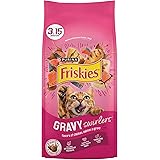
Purina Friskies Gravy Swirlers Dry Cat Food, Chicken & Salmon, 3.15 lb Bag | Protein-packed cat food kibble with swirls of delicious gravy baked in, supports immune and heart health
$5.24 (as of October 15, 2026 03:11 GMT +00:00 - More infoProduct prices and availability are accurate as of the date/time indicated and are subject to change. Any price and availability information displayed on [relevant Amazon Site(s), as applicable] at the time of purchase will apply to the purchase of this product.)














Post Comment