
Why 43% of Irish SMEs Are Betting Their Future on AI—and What It Means for Your Business Before 2026

Ever wondered if artificial intelligence is poised to be the game-changer for Irish SMEs—or just another buzzword? Well, turns out, more than two-fifths of these businesses are gearing up for AI to shake things up in their industries within the next couple of years. But hold on a sec—not everyone’s on the same page. Nearly as many firms expect AI to barely make a dent, while a surprising number remain sitting on the fence, unsure what AI really means for their future. Size matters here too; mid-sized businesses seem most convinced of AI’s coming impact, while the smallest players are the biggest skeptics. And geography throws another curveball—firms outside Dublin are far more bullish on AI’s potential than those in the capital. With a mix of fear (71% worry about job losses) and cautious optimism (the same share believe tech is vital for Ireland’s future), the AI conversation is anything but one-sided. But here’s the kicker—while AI’s definitely top of mind, many SMEs aren’t yet making bold moves to harness it. So, will they adapt and thrive or get left behind in this tech tidal wave? That’s the million-euro question. LEARN MORE

More than two-fifths (43%) of Irish SMEs anticipate a significant impact on their industry from artificial intelligence within two years.
However, a similar if lower proportion (38%) expect either no or low impact from AI, according to the latest Linked Finance Business Optimism Index.
Around one in six (17%) are neutral on whether or not artificial intelligence will impact their sector in the near future while 2% are unsure.
By size, expectations of a significant impact are highest among mid-sized firms of four to nine staff (49%), followed by larger firms of 10 or more staff (46%) and micro businesses of one to three staff (40%).
Micro businesses with one to three employees are the most skeptical, with nearly a quarter (23%) expecting no impact at all versus 8% of larger firms with more than 10 staff.
Around a fifth (19%) of SMEs outside Dublin expect a very significant impact, compared with just 3% in the capital.
Around 8% expect of Dublin firms expect no impact, with the bulk of firms in between – 34% expect a somewhat significant impact, 28% a low impact and 24% are neutral.
Expectations of a significant impact are highest among services firms (56%) and exporters (55%) well ahead of the national average of 43%.
Seven in 10 (71%) Irish people over 16-years-old fear that AI tools will replace many people’s jobs.
The same share (71%) agreed that new technology is essential for Ireland’s prosperity, and 23% admit to using generative AI for work purposes.
When asked how they felt about the role of technology and AI in society over the next ten years, optimism won, but only just with 29% of adults optimistic and 26% pessimistic, with the majority of 44% still undecided.
“What’s striking from these findings is that AI has clearly moved into the day-to-day thinking of Irish businesses, with two in five now expecting it to have a real impact on their industry,” said Niall O’Grady, CEO of Linked Finance.
“However, there is much less evidence of SMEs actively planning for how AI will reshape their business or how they can take advantage of the opportunities it presents.
“At the same time, many smaller firms are understandably focused on more immediate pressures around costs and trading conditions.
“But whether a business sees AI as an opportunity or a distraction, it will need to respond and access to finance will be central to helping Irish SMEs test, adapt and scale the tools that keep them competitive.”
The quarterly survey was conducted for Linked Finance by Ipsos B&A among 358 business owners and managers nationwide.
Photo: Niall O’Grady (seated). (Pic: Supplied)
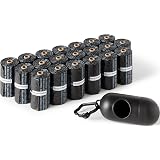
Amazon Basics Dog Poop Leak Proof Bags with Dispenser and Leash Clip, Unscented, 13" x 9" Large Size, 300 Count
$11.24 (as of October 24, 2026 03:13 GMT +00:00 - More infoProduct prices and availability are accurate as of the date/time indicated and are subject to change. Any price and availability information displayed on [relevant Amazon Site(s), as applicable] at the time of purchase will apply to the purchase of this product.)
Greenies Pill Pockets Large Size Dog Treats, Peanut Butter, 15.8 oz | Vet-recommended, masks pill smell & taste, moldable texture, capsule size, natural ingredients, no fillers, 15.8 oz. pouch
$19.96 (as of October 24, 2026 03:13 GMT +00:00 - More infoProduct prices and availability are accurate as of the date/time indicated and are subject to change. Any price and availability information displayed on [relevant Amazon Site(s), as applicable] at the time of purchase will apply to the purchase of this product.)
Fresh Step Odor Shield Multi Cat Clumping Cat Litter, 14 lb. | Febreze Freshness, Odor Shield with Ammonia Block Technology, Low Dust, Compatible with Most Automatic Litter Boxes
$9.54 (as of October 24, 2026 03:13 GMT +00:00 - More infoProduct prices and availability are accurate as of the date/time indicated and are subject to change. Any price and availability information displayed on [relevant Amazon Site(s), as applicable] at the time of purchase will apply to the purchase of this product.)
Amazon Kindle Colorsoft Signature Edition 32GB (newest model), Thinner, new aluminum design, 7" color display, Auto-adjusting front light, Fig
$319.99 (as of October 24, 2026 03:34 GMT +00:00 - More infoProduct prices and availability are accurate as of the date/time indicated and are subject to change. Any price and availability information displayed on [relevant Amazon Site(s), as applicable] at the time of purchase will apply to the purchase of this product.)













Post Comment