2026 FIFA World Cup’s Hidden Goldmines: Who’s Cashing In Beyond the Trophy?
Spain may have lifted the FIFA World Cup trophy after a nail-biting win over Argentina, but when it comes to the commercial battlefield, there wasn’t just one victor holding the crown. Curious how brands play the game off the pitch? In Ireland, the World Cup was less about a single champ and more about a mixed medal haul—McDonald’s nailed the strongest advertising recall, Heineken 0.0 dominated in sustained visibility, Paddy Power crafted the sharpest local campaign, and Coca-Cola turned global rights into retail gold. It begs the question: in today’s noisy marketing world, is it better to be everywhere or be unforgettable? Let’s unpack how these brands navigated a crowded field, turning moments of fleeting attention into lasting business wins—and why sometimes, winning isn’t just about scoring the big goal but knowing which goal to aim for. LEARN MORE
Spain lifted the FIFA World Cup after defeating Argentina in the final, but the commercial contest around the tournament produced no single undisputed champion, writes Rob Hartnett.
In Ireland, different brands won in different ways: McDonald’s achieved the strongest advertising recall, Heineken 0.0 secured the most sustained visibility, Paddy Power delivered the sharpest local idea, and Coca-Cola built the broadest retail activation.
The most objective success belongs to McDonald’s. Its ‘Absolute Legends’ campaign topped The Interesting Index for the second quarter of 2026, a nationally representative survey of 1,000 adults conducted by The Public House, Bounce Insights and Adworld.ie.
Respondents remembered the campaign for its football celebrities, humour and unmistakable branding.
The research found so many vague recollections of ‘a World Cup ad’ that, combined, they would have ranked sixth.
Plenty of brands bought proximity to the tournament; far fewer made sure viewers knew who was speaking.
McDonald’s turned global scale into attribution, supported by television, social media, streaming and restaurant activity.
The Index also warned marketers about the scale of the occasion.
Only McDonald’s and Heineken had World Cup campaigns placed in the top ten. The tournament increased excitement around advertising, but it also created a crowded field in which polished work could disappear behind the generic memory of football.
That said, the power of live sport is that we do watch the ads. There is no time shifting and no fast-forward buttons to contend with when you are part of a global viewing party.
As sponsor of RTÉ’s coverage, Heineken 0.0 had its stings.
Remember Jane from 43, appearing at the opening of every live broadcast, around advertising breaks and across promotional material. With all 104 matches available free to air, the brand secured repetition at the precise moments when attention was highest.
RTÉ Player recorded 23.4 million World Cup streams, compared with 8.5 million for the entire 2022 tournament.
The final alone generated more than 1.4m streams, a platform record, while an average television audience of 1m watched Spain beat Argentina. RTÉ’s social coverage added 91m video views.
So there is a case to be made for RTÉ being one of the biggest winners as well.
Paddy Power won the prize for understanding the mood at home. Ireland had failed to qualify, so the bookmaker and BBH Dublin found the country a substitute: Ivory Coast, whose orange, white and green flag mirrors the Irish tricolour.
The idea was deployed across digital outdoor, retail and print, including flipped football posters. It was simple, immediate and rooted in a joke that required no explanation.
That local sharpness separated Paddy Power from campaigns created for a global audience and merely distributed in Ireland. It demonstrated an enduring truth of sports marketing: relevance can outweigh official status. A brand does not always need the largest rights package if it has the strongest reading of the room.
Coca-Cola’s ‘Feel It All’ platform showed the advantages of official partnership when connected to the point of sale. Limited-edition country cans, Panini stickers, app-based promotions, receipt uploads and weekly prizes extended the tournament from screens into supermarkets, fridges and homes across the Republic and the North.
Its strength was physical presence. While McDonald’s won memory and Heineken 0.0 dominated broadcast frequency, Coca-Cola made the World Cup visible in everyday purchasing. That matters over a six-week tournament, when the commercial objective is not simply to produce one admired film but to create repeated reasons to notice, collect and buy.
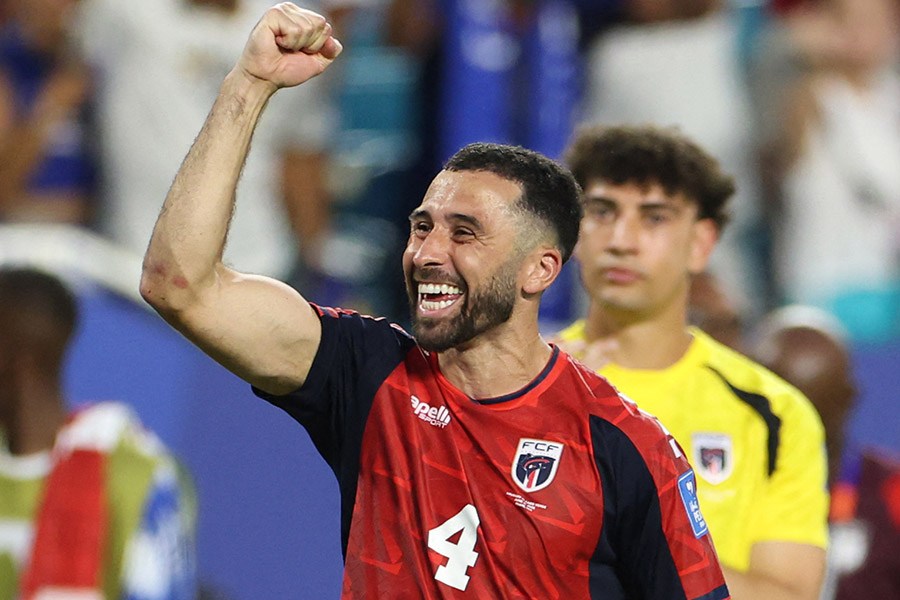
There were other winners. Adidas supplied both finalists, guaranteeing maximum kit visibility on the biggest night. Nike and Intersport Elverys found a distinctive Irish connection through Shamrock Rovers captain Roberto ‘Pico’ Lopes, who represented Cape Verde and became the first League of Ireland player to appear at a World Cup tournament.
The lesson is that ‘winning’ cannot be measured by one metric. Recall, reach, cultural relevance, sales activation and rights ownership reward different strategies. The best campaigns began with a clear definition of the result they wanted.

McDonald’s was the advertising recall champion. Heineken 0.0 owned the viewing environment, benefiting RTÉ as well. Paddy Power produced the most recognisably Irish response. Coca-Cola converted global rights into retail participation.
Spain took home the trophy from New York after a brilliant tournament. In the Irish commercial World Cup, the podium had room for more than just the one winner.
Rob Hartnett is the founder of Sport for Business, a publishing, events and networking business at the heart of the commercial world

Anker Power Strip with 2100J Surge Protector, Outlet Extender, 20W, 12 AC | 5ft Extension Cord with Multiple Outlets, 1 USB C, 2 USB A, Home Office, Dorm Room Essentials, TUV Listed
$23.99 (as of September 12, 2026 03:10 GMT +00:00 - More infoProduct prices and availability are accurate as of the date/time indicated and are subject to change. Any price and availability information displayed on [relevant Amazon Site(s), as applicable] at the time of purchase will apply to the purchase of this product.)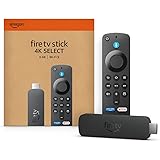
Amazon Fire TV Stick 4K Select (newest model), start streaming in 4K, AI-powered search, and free & live TV, find shows faster with Alexa+
$49.99 (as of September 12, 2026 03:10 GMT +00:00 - More infoProduct prices and availability are accurate as of the date/time indicated and are subject to change. Any price and availability information displayed on [relevant Amazon Site(s), as applicable] at the time of purchase will apply to the purchase of this product.)
Strawberries, 1 Lb
(as of September 12, 2026 03:03 GMT +00:00 - More infoProduct prices and availability are accurate as of the date/time indicated and are subject to change. Any price and availability information displayed on [relevant Amazon Site(s), as applicable] at the time of purchase will apply to the purchase of this product.)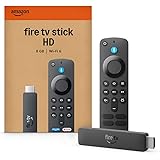
Amazon Fire TV Stick HD (newest model), free & live TV, Alexa Voice Remote, powered by the TV, effortless setup, find shows faster with Alexa+
$39.99 (as of September 12, 2026 03:10 GMT +00:00 - More infoProduct prices and availability are accurate as of the date/time indicated and are subject to change. Any price and availability information displayed on [relevant Amazon Site(s), as applicable] at the time of purchase will apply to the purchase of this product.)








Post Comment