
Unlock Hidden Cash: The Top 5 Funding Secrets Every New LLC Must Know to Crush It Fast!


So, you’ve taken the plunge and set up an LLC—nice! That’s the first step to legitimizing your business hustle. But hold on a second… have you thought about how you’re actually going to fund this operation? Starting a business isn’t just about having a name and a cool logo; you’ll need capital to snag equipment, stock inventory, maybe rent a commercial spot — the usual startup essentials. And knowing where this cash can come from? That’s the part many entrepreneurs trip up on.
Let me throw a question your way: Ever wondered which funding paths actually fit your business style and wallet? Because, spoiler alert, not all capital sources are created equal. Lucky for you, here’s my take on the top five ways new LLCs can bring in the bucks.
1. SBA Loans: The Government’s Handshake for Entrepreneurs
Ah, the classic Small Business Administration loan. Think of it like the government giving lenders a bit of a safety net — they’ll guarantee a slice of your loan, making banks less jittery about saying yes. Eligible LLC owners can tap these loans for things like working capital or getting that essential equipment in place. But heads up: the paperwork can be a beast, and you’ll need to tick all the boxes for both the SBA and the lender. It’s not the quickest route, but if you qualify, it’s often worth the hustle.
2. Conventional Business Loans: The Tried-And-True Banker’s Approach
If the SBA route feels like jumping through hoops, you might consider traditional loans from banks or credit unions. These guys take a hard look at your credit, business plan, and repayment capability before opening their vault. New LLCs do face a harder climb here—why? Because without a track record, lenders get cold feet faster than you can say “startup.” And if you’re eyeing franchise funding, be ready—there’ll be extra hoops depending on the brand and lender involved.
3. ROBS: Turning Your Retirement Nest Egg into Startup Fuel
Picture this: instead of borrowing, what if your 401(k) or IRA could bankroll your business dreams? That’s what Rollovers for Business Startups (ROBS) do — they let you use retirement funds to fuel a new C corporation. But wait… you said LLC, right? Well, ROBS only dances with C corps. So, if you’re already an LLC, you’ll have some decisions to make about restructuring. Fair warning though, there are rules and ongoing compliance hoops to jump through here. It’s not for the fainthearted, but the payoff can be worth it if you get it right.
4. Online Financing: Speed and Variety at Your Fingertips
In today’s digital world, online lenders are like the fast food of financing—quick, convenient, and varied. They’re a great option for LLC owners who don’t want to deal with the slow grind of traditional banks. But beware: all online loans are not created equal. Before you click “apply,” dissect the fine print—look at borrowing caps, interest rates (they can be sneaky), fees, payback terms, and your eligibility. Rushing for speed without scrutiny can spell trouble when cash flow tightens.
- Borrowing limits — know how much you can realistically get
- Interest rates and fees — some deals look tasty but cost a fortune
- Repayment schedules — strings attached can surprise you
- Eligibility requirements — don’t waste time if you don’t qualify
5. Personal Funding: Your Own Wallet, Your Own Risk
Many entrepreneurs take the homemade route, dipping into personal savings or assets to fund their LLC. It’s tempting because it keeps you debt free — at least at the start. But here’s the kicker: mixing your personal and business money can get messy real fast. Plus, you’re risking your own cash in a venture without guaranteed success. Balance is key: contribute what you’re comfortable losing, and once your LLC’s up and running, keep those finances as separate as night and day.
Wrapping It Up With Pango Financial
In the end, the best funding avenue for your LLC depends on your unique resources, business model, and how much risk you’re willing to shoulder. Each funding source comes with its own perks and pitfalls, so don’t just pick the first shiny option you see—dig deep,

Aidoly 54 Inch Cat Tree Tower with Sisal Scratching Posts, Multi-Level | Cat Tower with Climbing Ladder, Play Toy Balls House for Indoor Cats, Grey
$36.89 (as of October 6, 2026 03:19 GMT +00:00 - More infoProduct prices and availability are accurate as of the date/time indicated and are subject to change. Any price and availability information displayed on [relevant Amazon Site(s), as applicable] at the time of purchase will apply to the purchase of this product.)
Amazon Basics Leak-Proof Dog and Puppy Potty Training Pee Pads with Quick-Dry 5-Layer Super Absorbent Design, Regular Size 22 x 22 inch, Blue & White, 100 Count
$19.20 (as of October 6, 2026 03:10 GMT +00:00 - More infoProduct prices and availability are accurate as of the date/time indicated and are subject to change. Any price and availability information displayed on [relevant Amazon Site(s), as applicable] at the time of purchase will apply to the purchase of this product.)
Amazon Kindle Paperwhite Signature Edition 32GB (newest model), Thinner, new aluminum design, 7" display, Auto-adjusting front light, Seaglass Green
$249.99 (as of October 6, 2026 03:27 GMT +00:00 - More infoProduct prices and availability are accurate as of the date/time indicated and are subject to change. Any price and availability information displayed on [relevant Amazon Site(s), as applicable] at the time of purchase will apply to the purchase of this product.)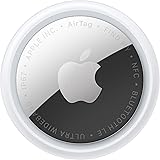
Apple AirTag (2nd Generation): Tracker for Keychain, Wallet, and More; Locator with Sound; Simple One-Tap Setup with iPhone or iPad; Key Finder with up to 1.5X Precision Finding Range
$24.00 (as of October 6, 2026 03:19 GMT +00:00 - More infoProduct prices and availability are accurate as of the date/time indicated and are subject to change. Any price and availability information displayed on [relevant Amazon Site(s), as applicable] at the time of purchase will apply to the purchase of this product.)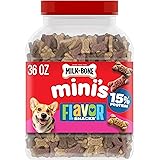













Post Comment