
Why Papertrade’s Bold Move to Freeze PAPER Token Transfers Could Either Make or Break the Crypto Game Forever

Ever heard of a token you only get when you lose money? Sounds like a sick joke, right? But Papertrade is dead serious — and now, they’ve thrown a curveball: you can’t sell this PAPER token either. Yep, you earn PAPER only by wiping out positions, and as of October 19, 2026, the team’s shut down any off-contract transfers to stop crafty traders from gaming the system and jeopardizing the whole protocol. It’s a wild twist in the world of synthetic perpetual futures — part innovative, part frustrating — leaving holders stuck with tokens they can’t trade, only stake for slow, steady USDC payouts. How does a token minted from losses, trapped inside a contract, change the rules for traders and the market at large? Buckle up, because this isn’t your typical crypto story. LEARN MORE
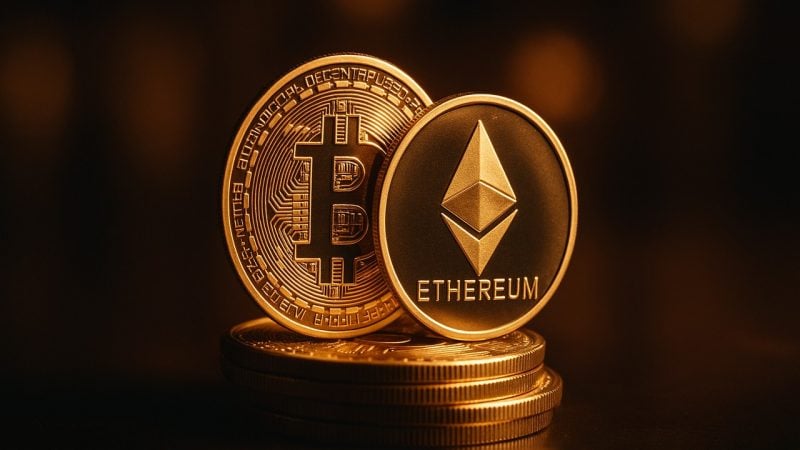
Papertrade has a token you can only earn by losing money. Now it has decided you can’t sell it, either.
The HyperEVM-based perpetual futures protocol announced on October 19, 2026 that PAPER will not support off-contract transfers. The team says opening transfers could enable manipulated trading that threatens the protocol’s solvency. No timeline exists for when that might change.
Holders aren’t left with nothing. They can stake PAPER and collect distributions in USDC. They just can’t send the token to another wallet or list it on an exchange, which means PAPER currently has no market price at all.
A token minted from losses
Papertrade went live on October 10, 2026. It offers synthetic perpetual futures on Bitcoin and Ethereum with leverage of up to 1,000x.
Wiped-out positions are central to Papertrade’s design. PAPER is minted only for traders who realize losses or get liquidated. Profitable traders earn none.
The starting rate is 100 PAPER for every $1 lost. That rate is set to decline as the protocol’s liquidity pool grows beyond $2 million, so later losers receive fewer tokens per dollar than early ones.
Supply started at zero. There was no pre-mine and no allocation to the team or investors. The project pitches this as a fair launch meant to reward active trading rather than passive speculation.
The numbers so far
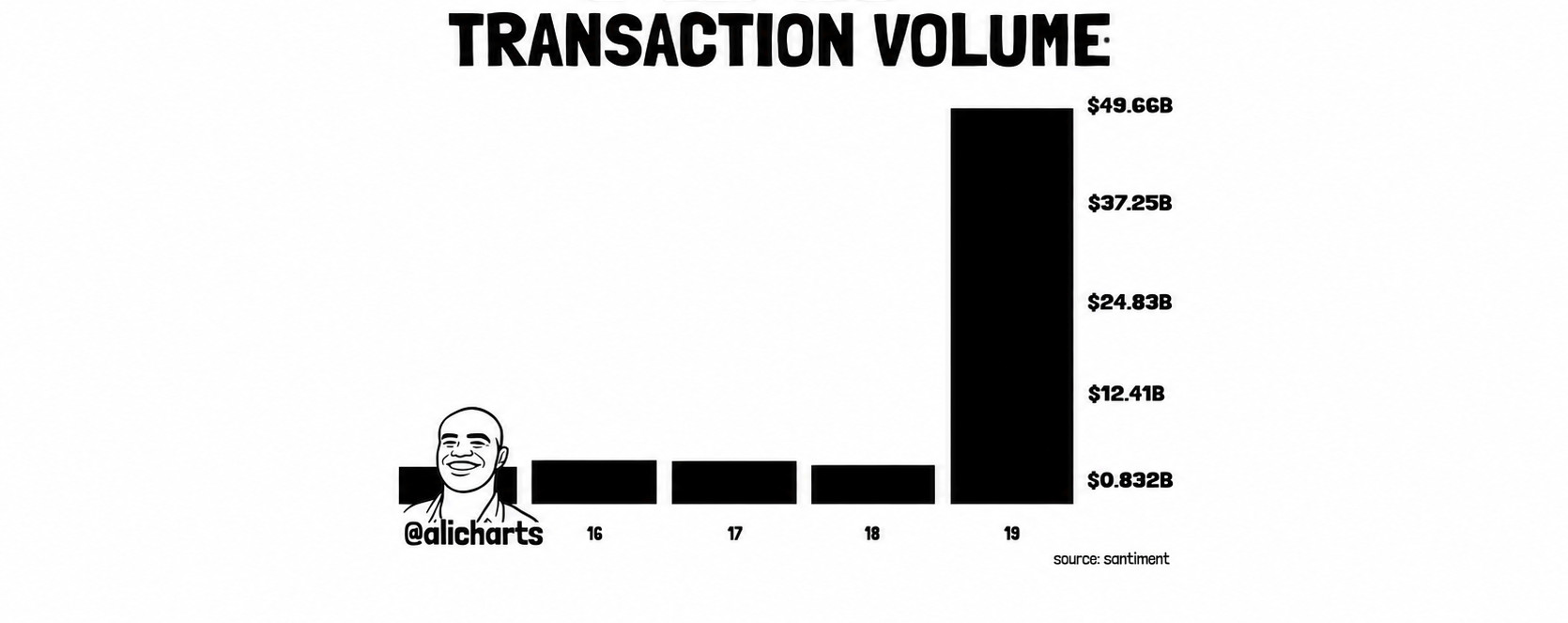
Early activity has been substantial by any measure. As of mid-October 2026, Papertrade had reportedly processed more than $1 trillion in notional trading volume.
Notional volume counts the full leveraged size of positions, not the cash traders actually put up. With leverage running as high as 1,000x, a small amount of collateral can generate an enormous notional figure, so the number says more about leverage than about deposits.
The protocol has reportedly generated tens of millions of dollars in revenue, much of it from trader losses. Reportedly, tens of millions have also flowed to PAPER stakers since launch.
Staking participation has been strikingly high, with early data showing between 94% and 98% of PAPER staked. That makes some sense. When a token can’t be sold, staking is essentially the only thing you can do with it.
Stakers receive USDC from protocol fees, plus surplus gains above a $5 million soft cap. In practical terms, once the protocol’s cushion exceeds that threshold, extra profits get passed along to stakers in a stablecoin.
Why Papertrade is holding the line on transfers
The stated concern is manipulation. Papertrade argues that freely transferable PAPER could encourage trading strategies that damage the protocol’s solvency.
Keeping PAPER inside the contract severs that loop. Losses still earn tokens and tokens still earn USDC, but there’s no secondary market that can turn the minting schedule into an arbitrage machine.
What this means for traders and the perps market
For traders, the decision clarifies what PAPER actually is right now: a claim on future protocol revenue, not a liquid asset. Anyone treating minted PAPER as a consolation prize they can cash out should adjust expectations. The payout comes slowly, in USDC, and depends on the protocol continuing to earn.
That dependency is the key risk. Staker income is tied to trader losses and fees. If volume fades or traders start winning more consistently, distributions could shrink. And because PAPER can’t be sold, holders have no exit beyond collecting whatever the staking yield delivers.
The declining mint rate adds another wrinkle. Early participants earned PAPER at the most generous ratio. As the liquidity pool grows past $2 million, new losers get diluted terms, which rewards those who arrived first and lost first.

Apple HomeView - Space Gray | Siri AI, Liquid Retina display, Spatial Audio, FaceTime, smart home controls, and built-in privacy. Smart display.
$299.00 (as of October 19, 2026 03:33 GMT +00:00 - More infoProduct prices and availability are accurate as of the date/time indicated and are subject to change. Any price and availability information displayed on [relevant Amazon Site(s), as applicable] at the time of purchase will apply to the purchase of this product.)
Strawberries, 1 Lb
(as of October 19, 2026 03:10 GMT +00:00 - More infoProduct prices and availability are accurate as of the date/time indicated and are subject to change. Any price and availability information displayed on [relevant Amazon Site(s), as applicable] at the time of purchase will apply to the purchase of this product.)
Selene Wireless Dog Water Fountain, 4L Stainless Steel Dog Water Fountain with Visual Water Level, Super Quiet Dog Water Bowl, 5-Stage Filtration Pet Water Dispenser, Easy to Clean - 4L
$86.99 (as of October 19, 2026 03:22 GMT +00:00 - More infoProduct prices and availability are accurate as of the date/time indicated and are subject to change. Any price and availability information displayed on [relevant Amazon Site(s), as applicable] at the time of purchase will apply to the purchase of this product.)
Premier Protein 30g High Protein Shake, Chocolate, 12 Pack | 160 Calories, 24 Vitamins & Minerals, No Added Sugar, Supports Muscle Health, Gluten-Free, 11.5 oz
$31.98 (as of October 19, 2026 03:10 GMT +00:00 - More infoProduct prices and availability are accurate as of the date/time indicated and are subject to change. Any price and availability information displayed on [relevant Amazon Site(s), as applicable] at the time of purchase will apply to the purchase of this product.)











Post Comment