
Are Your GLP-1 Meds Harming Your Vision? The FDA Warning You Can’t Afford to Ignore!
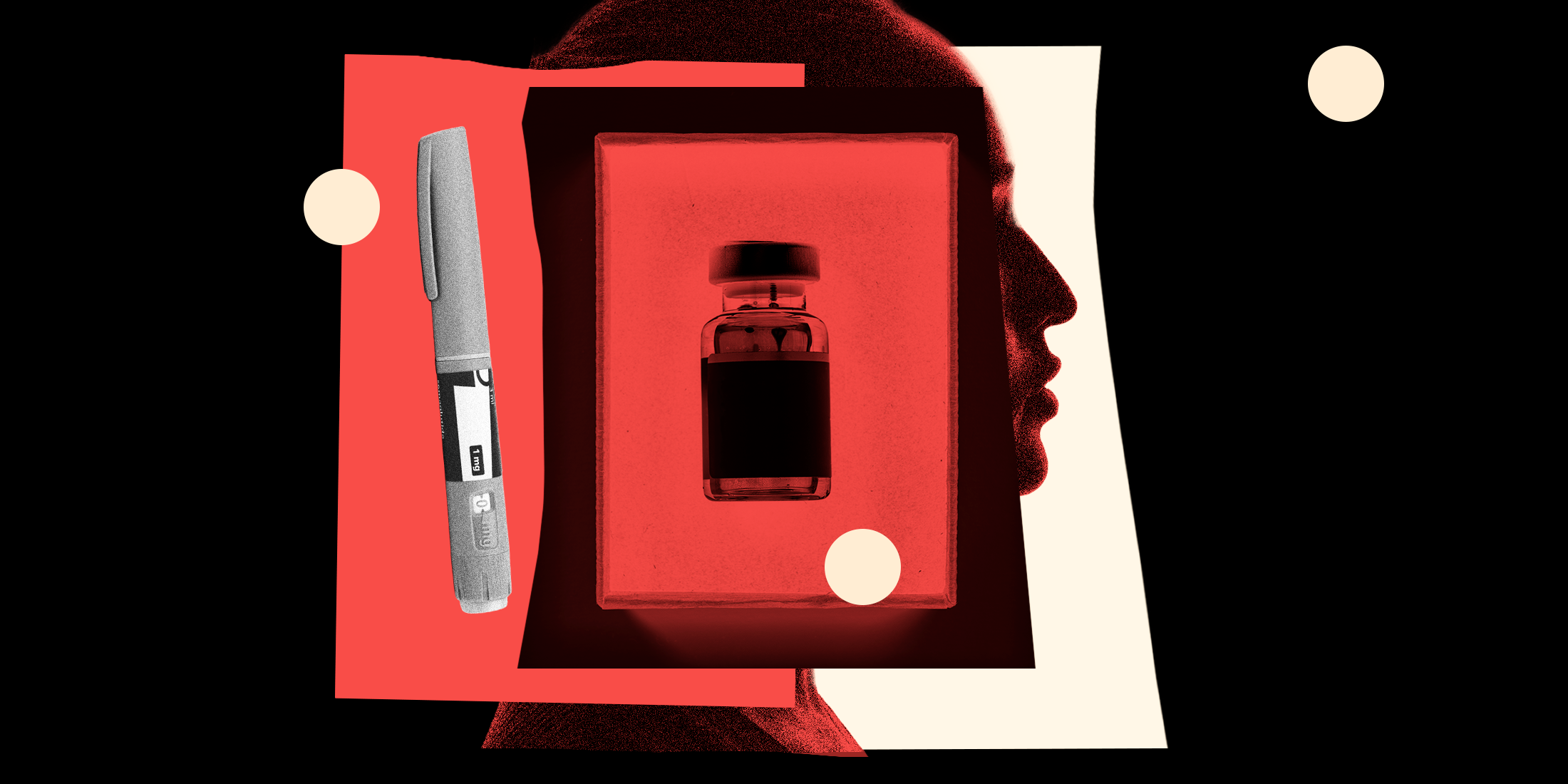
Ever wondered if the meds helping you shed pounds or manage blood sugar could come with a pretty unexpected side effect? It’s not every day the FDA drops a warning about sudden blindness linked to popular GLP-1 medications, but here we are. Now, before you start squinting at your pill bottle in panic, let’s unpack what’s really going on. This isn’t just a new scare to scroll past—there’s decades of research brewing behind this, and folks are taking note because these drugs are everywhere, with about 11 percent of Americans on them for weight loss alone. The FDA’s latest safety alert flags a rare but serious eye condition called non-arteritic anterior ischemic optic neuropathy, or NAION (try saying that three times fast), which can cause permanent vision loss in one eye. Yet, while the risk is extremely rare, doctors aren’t ignoring it—they’re just urging us to stay informed without freaking out. Curious about how this might affect you or someone you know? Let’s dive deeper and make sense of the fine print. LEARN MORE
 3 min read
- The FDA is warning about a risk of sudden blindness for people on GLP-1s.
- Previous studies have also pointed out a link between the meds and this complication.
- Doctors stress that the risk is still “extremely rare.”
For years, there have been rumblings and even research about a rare but serious condition that’s been linked to taking a GLP-1 medication. Now, the Food and Drug Administration is doing something about it.
The FDA just released a drug safety communication to warn patients and healthcare providers about the potential increased risk of developing non-arteritic anterior ischemic optic neuropathy (NAION) when you take a GLP-1 medication. NAION is a rare condition that can lead to vision loss in one eye, and it can be permanent.
Again, this isn’t the first time concerns have been raised about the risk of NAION. But it is the first time the FDA has issued a warning about it.
Given that up to 11 percent of Americans currently take a GLP-1 for weight loss, this news stands to impact a lot of people. How concerned should you be if you’re one of them? Eye experts and a doctor who prescribes GLP-1s break it down.
Meet the experts: Joseph Rizzo, MD, director of the Neuro-Ophthalmology Service at Mass Eye and Ear, a member of the Mass General Brigham healthcare system; Bavand Youssefzadeh, DO, an ophthalmologist with Cedars-Sinai in Los Angeles and a cofounder of the Global LASIK and Cataract Institute; and Mir Ali, MD, the medical director of MemorialCare Surgical Weight Loss Center at Orange Coast Medical Center in Fountain Valley, California.
What does the notice say?
The FDA’s notice is designed to flag the potential risk of NAION to people who use GLP-1s. The FDA also notes that the agency will require all manufacturers of GLP-1 medications to add information about the risk of NAION to the Warnings and Precautions section of their labels.
“Patients and caregivers should be aware of a potential increased risk of NAION, a rare condition that can result in acute, painless, decreased vision in one eye, including permanent vision loss, with GLP-1 RA use,” the notice reads.
The agency cited a 2024 study published in JAMA Ophthalmology as well as its own meta-analyses and retrospective cohort study in the notice. They also noted that “NAION cases have been reported for all currently marketed GLP-1 RA products.”
However, the complication remains rare: incidents from the FDA’s meta-analysis were just 6.4 events per 100,000 per year for patients using the medications.
Why did the FDA issue this warning?
The warning is just that—a warning to patients and physicians that this could happen, explains Joseph Rizzo, MD, director of the Neuro-Ophthalmology Service at Mass Eye and Ear, a member of the Mass General Brigham healthcare system. “Most outcome-related issues in medicine should be thought of as being probabilistic—there is a certain chance that events can occur,” he says. “This warning indicates that the FDA has reason to believe, at least at this time, that the probability of NAION occurring is higher in patients who take GLP-1 RA drugs.”
But Dr. Rizzo stresses that there’s no evidence that these drugs cause NAION—just that there’s a link.
So…why issue a warning if it’s not proven that GLP-1s cause NAION and it’s so rare? “The severity of a complication matters alongside its frequency,” says Bavand Youssefzadeh, DO, an ophthalmologist with Cedars-Sinai in Los Angeles and a cofounder of the Global LASIK and Cataract Institute. “Even a rare risk deserves attention when it can permanently affect vision.” The warning is likely designed to give healthcare providers a heads-up that it could be NAION if a patient has symptoms, he explains.
“It’s their duty to report any adverse effects, just so people are aware of them,” says Mir Ali, MD, the medical director of MemorialCare Surgical Weight Loss Center at Orange Coast Medical Center in Fountain Valley, California.
How worried should you be?
While NAION is scary, doctors say it’s important to put the data in perspective. “It’s extremely rare, but it can happen,” Dr. Ali says. Given how much GLP-1s can help with blood sugar management, weight loss, and downstream health effects, Dr. Ali says that the risk of NAION is “not a reason not to seek these medications.”
Dr. Rizzo agrees. “I essentially never discourage the general use of GLP-1 RA drugs,” he says. “Ultimately, the risk-to-benefit assessment must be decided by the patient, but physicians should provide sufficient information to the patients to better inform their decisions.”
People should stay aware of the risk without panicking, Dr. Youssefzadeh says. “It’s also worth remembering that the people most likely to be prescribed these drugs—people with diabetes, high blood pressure, sleep apnea—already carry a higher baseline risk for NAION, so the risk isn’t starting from zero,” he adds.
Pure Life Purified Bottled Water - 15 Pack, 16.9 Fl Oz | Still Drinking Water Enhanced with Minerals for a Crisp Taste
$4.95 (as of November 12, 2026 03:23 GMT +00:00 - More infoProduct prices and availability are accurate as of the date/time indicated and are subject to change. Any price and availability information displayed on [relevant Amazon Site(s), as applicable] at the time of purchase will apply to the purchase of this product.)
Amazon Fire HD 10 tablet, built for relaxation, 10.1" vibrant Full HD screen, octa-core processor, 4 GB RAM, 32 GB, Black
$72.99 (as of November 12, 2026 03:26 GMT +00:00 - More infoProduct prices and availability are accurate as of the date/time indicated and are subject to change. Any price and availability information displayed on [relevant Amazon Site(s), as applicable] at the time of purchase will apply to the purchase of this product.)
Nutramax Cosequin Joint Supplement for Dogs, Chewable Tablets, 132ct | Glucosamine + Chondroitin for Dogs with MSM, Supports Healthy Joints, All Breeds & Sizes, All Ages
$34.91 (as of November 12, 2026 03:23 GMT +00:00 - More infoProduct prices and availability are accurate as of the date/time indicated and are subject to change. Any price and availability information displayed on [relevant Amazon Site(s), as applicable] at the time of purchase will apply to the purchase of this product.)
ALOHA Organic Plant Based Protein Bar | Peanut Butter Chocolate Chip, 12 Ct | 14g Plant-Based Protein, 10g Fiber, 5g Sugar | No Sucralose or Stevia | Non-GMO, Vegan & Dairy Free
$20.77 (as of November 12, 2026 03:23 GMT +00:00 - More infoProduct prices and availability are accurate as of the date/time indicated and are subject to change. Any price and availability information displayed on [relevant Amazon Site(s), as applicable] at the time of purchase will apply to the purchase of this product.)













Post Comment