
ASEAN-6 Inflation Alert: The Hidden Pipeline Threats That Could Shake Markets and Your Portfolio—Are You Ready to Act?

Ever wondered why a shared energy shock hits the ASEAN-6 economies so differently, like a plot twist in a blockbuster drama? Well, Indonesia and Malaysia seem to be playing it cool with tame inflation, while Thailand, Vietnam, and the Philippines are wrestling with some seriously spiking numbers. It’s like watching siblings at a family dinner digest the same meal — but one ends up with heartburn and the others are just fine. But here’s the kicker: those rising wholesale and producer prices are whispering signs of pipeline pressures that could ignite even more retail price turmoil. It’s a delicate dance for policymakers—balancing inflation control without stifling growth. And guess what? Central banks in Indonesia, the Philippines, and Vietnam might just be tightening the screws tighter, with rate hikes creeping up on the horizon. Stability is the name of the game, but at what cost? Curious to dive deeper? LEARN MORE

DBS Group Research economists Radhika Rao and Chua Han Teng highlight that ASEAN-6 economies are experiencing asymmetric inflation outcomes despite a common energy shock. Indonesia and Malaysia show relatively contained inflation, while Thailand, Vietnam and Philippines face higher readings. Rising WPI/PPI point to pipeline pressures, with policymakers expected to stay alert and some central banks, including Indonesia, Philippines and Vietnam, likely to raise rates further.
Divergent inflation and tightening prospects
“While ASEAN-6 economies face the same energy shock, their inflation outcomes have been asymmetrical. On the benign end of the spectrum, inflation in Indonesia and Malaysia remained contained at 2.4% yoy and 1.9% yoy, respectively, in April, while on the elevated side, Thailand, Vietnam, and Philippines’ inflation jumped to 2.9%, 5.5%, and 7.2%. Price stability, however, comes with trade-offs.”
“Rising WPI/PPI prints signal pipeline pressures for the retail price gauge, as businesses will be unable to absorb the full extent of an increase in input costs as inventories run down. Although WPI/PPI is not the official policy target, policymakers are likely to remain attentive to mounting pipeline pressures that could eventually feed into retail inflation and shape inflation expectations.”
“If geopolitical tensions persist, we view Philippines, Thailand, and Vietnam to be most exposed to price pressures, whilst inflation in Indonesia and Malaysia will also increase but at a moderate pace.”
“In addition to inflation outcomes, currency and financial market stability will also guide the decision and timing of monetary policy. BI increased its benchmark rate by a more-than-expected 50bps to 5.25% on Wednesday, following BSP’s move in April and Singapore MAS’ shift to normalising its FX parameters. We expect further rate increases from Indonesia and Philippines, with Vietnam next in line to raise rates.”
(This article was created with the help of an Artificial Intelligence tool and reviewed by an editor.)
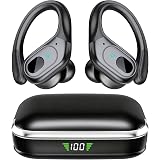
Wireless Earbuds, Sports Bluetooth Headphones, Running Headphones | 75Hrs Playtime Ear Buds with LED Power Display, Noise Canceling Headset, IPX7 Waterproof Earphones for Gym/Running/Workout
$20.98 (as of October 23, 2026 03:33 GMT +00:00 - More infoProduct prices and availability are accurate as of the date/time indicated and are subject to change. Any price and availability information displayed on [relevant Amazon Site(s), as applicable] at the time of purchase will apply to the purchase of this product.)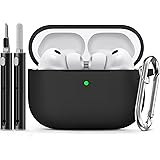
Ljusmicker for AirPods Pro 3 Case 2025 with Cleaner Kit,Black | Soft Silicone Protective Cover for Apple AirPod Pro 3rd Generation Case with Keychain for Women Men,Shockproof
$5.99 (as of October 23, 2026 03:23 GMT +00:00 - More infoProduct prices and availability are accurate as of the date/time indicated and are subject to change. Any price and availability information displayed on [relevant Amazon Site(s), as applicable] at the time of purchase will apply to the purchase of this product.)
EHEYCIGA 23" Calming Donut Dog Bed for Small Dog & Cat Washable Pet Couch | Anti-Anxiety Cute Cat Bed, Round Pet Beds with Headrest Support, Non-Slip Bottom, Fits Up to 15 lbs Pets Puppy Kittens, Grey
$19.99 (as of October 23, 2026 03:23 GMT +00:00 - More infoProduct prices and availability are accurate as of the date/time indicated and are subject to change. Any price and availability information displayed on [relevant Amazon Site(s), as applicable] at the time of purchase will apply to the purchase of this product.)
GHOST Energy Drink, Zero Sugars, 12-Pack, A&W Root Beer, 16oz | Energy & Focus Pre Workout Drink, No Artificial Colors, Gluten-Free, Vegan - 200MG Natural Caffeine, L-Carnitine, Taurine
$29.99 (as of October 23, 2026 03:13 GMT +00:00 - More infoProduct prices and availability are accurate as of the date/time indicated and are subject to change. Any price and availability information displayed on [relevant Amazon Site(s), as applicable] at the time of purchase will apply to the purchase of this product.)












Post Comment