
Black Sea Shockwave: Russian Drone Targets Turkish Vessel—How This Attack Could Ripple Through Global Trade and Your Portfolio
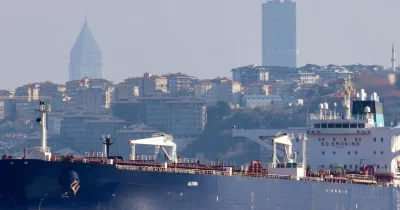
Imagine navigating the choppy waters of international conflict while carrying a cargo as seemingly innocuous as sunflower oil, only to find yourself targeted by a drone strike. That’s exactly what happened to the Turkish vessel Viva on December 13, smack in the middle of the Black Sea. This wasn’t just some isolated maritime mishap; it’s a snapshot of a high-stakes game where diplomacy, commerce, and military might collide. Turkey, walking the tightrope of neutrality yet enduring blows to its commercial interests, controls the vital Bosphorus Strait — a chokepoint that’s become central to this ongoing drama. The Black Sea, once a bustling trade artery, is now tangled in the web of geopolitical chess moves, where every cargo shipment bears consequences far beyond its hold. How does one safeguard commerce in the eye of a storm, and what does this mean for global markets dependent on these routes? Let’s dive deep into this escalating tension and why a ship full of sunflower oil tells a bigger story about power, strategy, and survival on the world stage. LEARN MORE
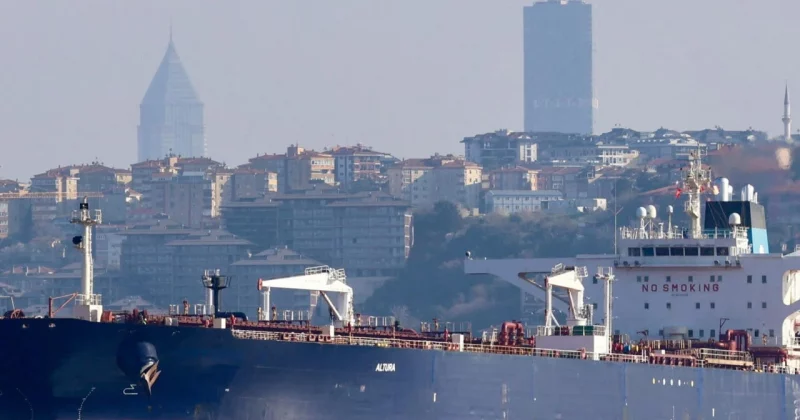
Russian forces launched a drone strike on a Turkish civilian vessel in the Black Sea on December 13, hitting a ship loaded with sunflower oil and bound for Egypt. Ukraine’s navy confirmed the attack on the vessel Viva, which was transiting through Ukraine’s exclusive economic zone when it was struck.
No injuries were reported among the 11 Turkish crew members aboard. The ship continued its journey.
What happened
The attack on the Viva did not occur in isolation. It coincided with a broader wave of Russian strikes targeting Ukrainian ports, particularly in the Odesa region, where at least three Turkish-owned vessels sustained damage. Geolocated footage from those port sites confirmed visible fires and structural damage to the affected ships.
Ukraine condemned the strike, framing it as evidence that Russia has no genuine interest in de-escalation and little regard for the safety of civilian maritime operations. Russia, for its part, has not publicly acknowledged or commented on the drone attack against the Viva.
The Black Sea’s growing risk profile
The Black Sea is one of the world’s critical corridors for grain and oil shipments, connecting major agricultural exporters like Ukraine to global markets. Ukraine is the world’s largest exporter of sunflower oil, and disruptions to its transport have ripple effects on food prices globally.
Since Russia’s full-scale invasion of Ukraine began in 2022, the Black Sea has been transformed from a busy commercial thoroughfare into a contested military theater. The UN-brokered Black Sea Grain Initiative, which temporarily facilitated safe passage for grain exports, collapsed in mid-2023 when Russia withdrew. Since then, Ukraine has established its own maritime corridor.
For Turkey specifically, the situation is uniquely awkward. Ankara has tried to position itself as a mediator between Moscow and Kyiv, maintaining diplomatic relationships with both sides. It brokered the original grain deal. It has refused to join Western sanctions against Russia. And yet Turkish commercial vessels keep taking hits in a conflict Turkey is officially neutral in.
Turkey controls the Bosphorus Strait, the only passage between the Black Sea and the Mediterranean. Under the Montreux Convention, Turkey regulates the transit of military vessels through the strait, a power it has exercised during the current conflict by restricting warship passage.
Diet Coke Soda Soft Drinks, 12 fl oz Fridge Pack Cans, 12 Pack - Cola Flavored Diet Soda Soft Drinks
$7.68 (as of October 7, 2026 03:07 GMT +00:00 - More infoProduct prices and availability are accurate as of the date/time indicated and are subject to change. Any price and availability information displayed on [relevant Amazon Site(s), as applicable] at the time of purchase will apply to the purchase of this product.)
Fresh Step Advanced Odor Shield Clumping Cat Litter with Gain, 18.5 lb, 2Pk | Odor Shield with Ammonia Block Technology, Low Dust, Multi Cat, Compatible with Most Automatic Litter Boxes
$19.99 (as of October 7, 2026 03:10 GMT +00:00 - More infoProduct prices and availability are accurate as of the date/time indicated and are subject to change. Any price and availability information displayed on [relevant Amazon Site(s), as applicable] at the time of purchase will apply to the purchase of this product.)
Core Power Elite High Protein Shake, Chocolate, 42g Bottle, 14oz, 12 Pack
$35.68 (as of October 7, 2026 03:07 GMT +00:00 - More infoProduct prices and availability are accurate as of the date/time indicated and are subject to change. Any price and availability information displayed on [relevant Amazon Site(s), as applicable] at the time of purchase will apply to the purchase of this product.)
Purina Fancy Feast Grilled Seafood Wet Cat Food, 3 oz Cans, 24-Pack | Variety Pack, crafted with real seafood in savory gravy. Made with no Artificial Colors or Preservatives.
$22.86 (as of October 7, 2026 03:10 GMT +00:00 - More infoProduct prices and availability are accurate as of the date/time indicated and are subject to change. Any price and availability information displayed on [relevant Amazon Site(s), as applicable] at the time of purchase will apply to the purchase of this product.)













Post Comment