
Creatine HCl or Monohydrate: The Surprising Truth That Could Shatter Your Muscle Gains!
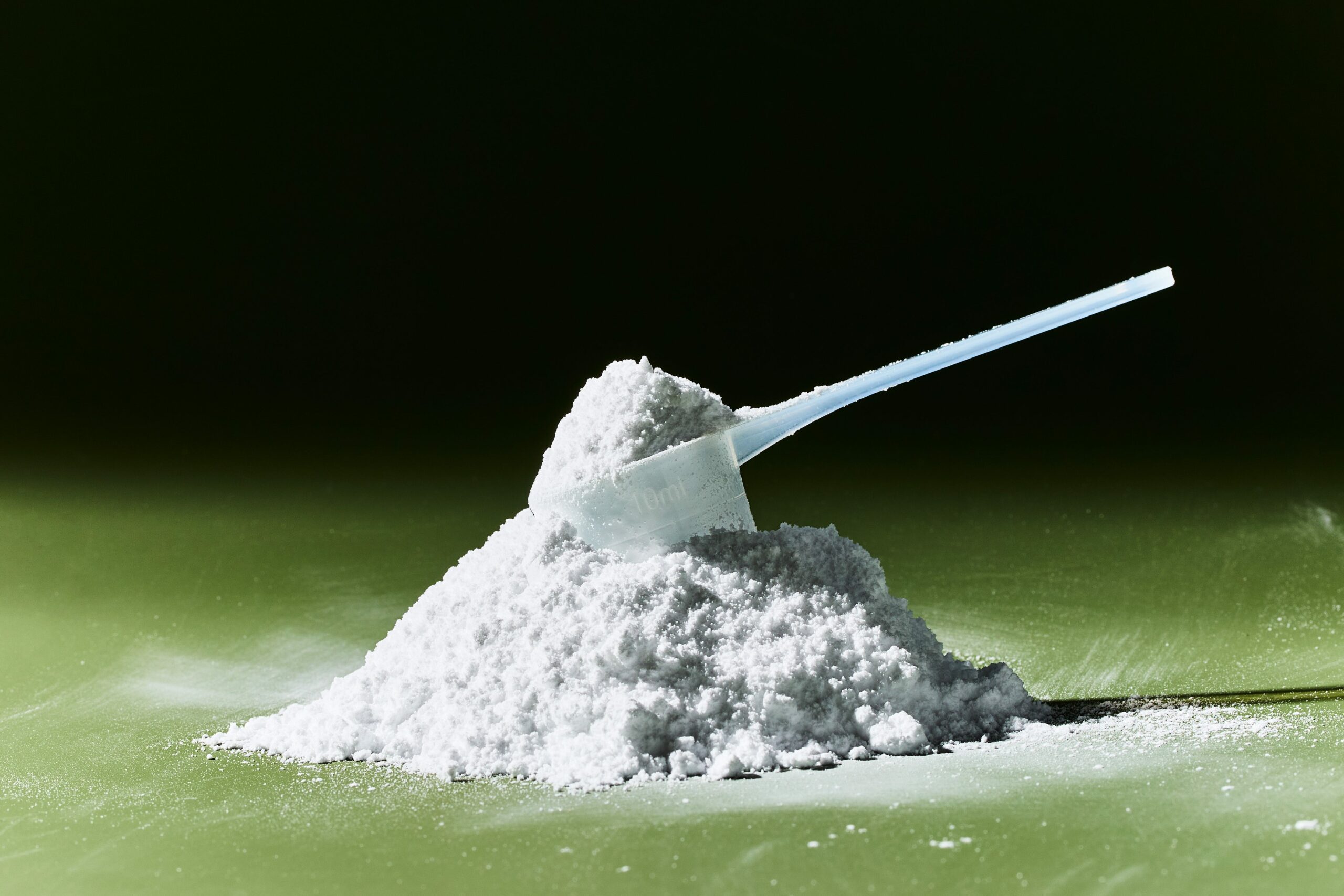
Creatine monohydrate has long worn the crown as the “gold standard” of muscle-building supplements—but suddenly, creatine-HCl is crashing the party, popping up everywhere from TikTok feeds to supplement aisles. What gives? Is this new kid on the block truly the secret sauce for faster gains and better performance, or just a slick marketing ploy designed to drain your wallet faster? With creatine-HCl products often priced higher, it begs the question: are you really buying better results, or just bigger bills? Let’s break down the science, the hype, and the reality behind creatine-HCl, so you can make gains without getting played. LEARN MORE
 2 min read
CREATINE MONOHYDRATE HAS been seen as the gold standard in creatine use for years, so what’s up with creatine-HCl? This is a product that’s been showing up more on social media and supplement shelves.
People online have claimed that creatine-HCl helps you get swole quicker with greater performance benefits than the more commonly used creatine monohydrate. Considering that creatine-HCl products tend to cost more than creatine monohydrate, is it worth forking over the extra dough? Let’s investigate.
What Is Creatine-HCl?
CREATINE-HCL STANDS FOR creatine hydrochloride. This is a salt form of creatine, explains Scott Keatley, RD, co-owner of Keatley Medical Nutrition Therapy. The main difference between hydrochloride and monohydrate is that creatine-HCl dissolves faster in water.
Does Creatine-HCl Build Bigger Muscles or a Bigger Supplement Bill?
SOME PEOPLE ON TikTok claim that creatine-HCl is better because it’s absorbed more easily in the muscles and has no loading phase. While creatine-HCl dissolves more easily in water, Keatley says that doesn’t automatically mean it leads to better results. The no-loading-phase claim is true, says Keatley, but monohydrate doesn’t require loading either.
“It’s like the difference between a 99 percent and 100 percent,” says Albert Matheny, RD, CSCS, co-founder of SoHo Strength Lab. “There’s not a meaningful difference to you as a consumer.” Matheny argues that creatine-HCl’s rise in popularity really comes from good, strategic marketing.
Shane Davis, MD, sports medicine physician and physiatrist at Tufts Medical Center, has dug into any scientific evidence that could justify creatine-HCl as a better alternative for building muscle. But he says there’s really nothing out there that points to creatine-HCl as a superior option to creatine monohydrate.
One study split 40 participants into groups to compare the effects of each form of creatine. After eight weeks, the researchers found that both forms “significantly enhanced” the effects of resistance training but showed “no benefit” of using creatine-HCl over creatine monohydrate.
Is Creatine-HCl Easier on the Stomach?
THE CLEAREST ADVANTAGE Keatley sees is that creatine-HCl is easier to mix into a drink than creatine monohydrate since it dissolves more readily. Because of that, proponents for creatine-HCl also market the supplement as more gut-friendly and usable in smaller doses.
While some people find that creatine-HCl is easier on the stomach, there isn’t strong evidence that it consistently causes fewer digestive issues, Keatley says. “Claims that much smaller doses deliver the same benefits also haven’t been convincingly established,” he continues. “I’d describe better solubility as a real advantage, while the other claims run ahead of the evidence.”
Ultimately, when asked if creatine-HCl is worth the extra splurge, dietitians were unanimous in saying it’s just pure marketing fluff; it’s all creatine at the end of the day.
Korin Miller is a seasoned freelance writer specializing in general wellness, sexual health and relationships, and lifestyle trends, with work appearing in Men’s Health, Women’s Health, Everyday Health, Food & Wine, and more. She has a master’s degree from American University and lives by the beach.
Purina Fancy Feast Grilled Seafood Wet Cat Food, 3 oz Cans, 24-Pack | Variety Pack, crafted with real seafood in savory gravy. Made with no Artificial Colors or Preservatives.
$22.86 (as of November 10, 2026 03:23 GMT +00:00 - More infoProduct prices and availability are accurate as of the date/time indicated and are subject to change. Any price and availability information displayed on [relevant Amazon Site(s), as applicable] at the time of purchase will apply to the purchase of this product.)
Earth Rated Dog Wipes for Paws & Butt, Deodorizing, Unscented, 100ct | Hypoallergenic, 3-in-1 Cleaning and Hydrating, for Grooming Paws, Body and Butt
$9.99 (as of November 10, 2026 03:23 GMT +00:00 - More infoProduct prices and availability are accurate as of the date/time indicated and are subject to change. Any price and availability information displayed on [relevant Amazon Site(s), as applicable] at the time of purchase will apply to the purchase of this product.)
Fhumsh Wireless Earbuds, Bluetooth 6.0 Headphones HiFi Stereo 50H Playback LED Digital Display Ear Buds with ENC Noise Canceling Headset, IPX7 Waterproof Earphones for Gym/Running/Work(Rose Gold)
$19.97 (as of November 10, 2026 03:37 GMT +00:00 - More infoProduct prices and availability are accurate as of the date/time indicated and are subject to change. Any price and availability information displayed on [relevant Amazon Site(s), as applicable] at the time of purchase will apply to the purchase of this product.)
Amazon Basics Leak-Proof Dog and Puppy Potty Training Pee Pads with Quick-Dry 5-Layer Super Absorbent Design, Regular Size 22 x 22 inch, Blue & White, 100 Count
$20.99 (as of November 10, 2026 03:23 GMT +00:00 - More infoProduct prices and availability are accurate as of the date/time indicated and are subject to change. Any price and availability information displayed on [relevant Amazon Site(s), as applicable] at the time of purchase will apply to the purchase of this product.)














Post Comment