
ECB’s Kazaks Drops a Bombshell: Is the Rate Hike Surge Just Getting Started as Inflation Refuses to Budge?

Ever get the feeling that the European Central Bank just can’t stop turning the dial on interest rates? Well, you’re not alone. Martins Kazaks, the sharp-minded Governor of the Bank of Latvia and a vital voice on the ECB’s Governing Council, just dropped a bombshell: the ECB’s recent rate hike to 2.5% isn’t the end of the road. Nope—Kazaks is dialing up the urgency for more tightening because inflation in the eurozone refuses to play nice. With prices still sprinting ahead at 3.3%—well above their cozy 2% target—and energy costs stubbornly propping up this inflation party, the Central Bank is gearing up for potentially even steeper hikes. Sort of like telling you the gym session isn’t over even though you’re already sweating buckets. What does this mean for markets, currencies, and your wallet? Hang tight—it’s about to get interesting. LEARN MORE

Martins Kazaks, a member of the European Central Bank’s Governing Council and Governor of the Bank of Latvia, just made it clear that the ECB isn’t done raising rates. Speaking after the central bank lifted its deposit rate to 2.5%, Kazaks argued the case for further monetary tightening is only getting stronger.
The inflation problem hasn’t gone away
Euro area inflation clocked in at 3.3% in August 2026. That’s well above the ECB’s 2% target, and Kazaks doesn’t see it cooling on its own anytime soon.
The September rate hike, the ECB’s second increase this year, brought the deposit rate to 2.5%. But Kazaks was explicit that this level shouldn’t be treated as a ceiling. He suggested rates may need to push into genuinely restrictive territory to wrestle inflation back down.
The culprit behind the stubbornly elevated price pressures is familiar: energy costs. Ongoing geopolitical conflicts in the Middle East, particularly involving Iran, have kept energy prices on an upward trajectory. Kazaks warned that the pain could spread more broadly through what economists call the “closing output gap.” When an economy is running close to full capacity, businesses pass rising costs on to consumers through higher prices and to workers through wage negotiations, creating a feedback loop where energy inflation becomes embedded in the broader economy.
What the ECB is signaling
Kazaks’ comments arrived just days after the ECB’s latest rate decision. Markets are already pricing in an increased likelihood of another hike as soon as October.
Kazaks advocated for a measured path toward tighter policy rather than aggressive leaps. The ECB spent much of 2025 in easing mode, cutting rates to support a fragile recovery. Now it’s reversed course twice in 2026, and a senior Governing Council member is openly floating the possibility of going further.
What this means for markets and capital flows
Higher eurozone interest rates tend to strengthen the euro, as investors chase better yields on euro-denominated assets. That dynamic is already playing out, with markets recalibrating expectations after Kazaks’ remarks.
Bond markets are repricing too. When a central banker signals that rates haven’t peaked, shorter-duration government bonds typically sell off as yields adjust upward. Investors holding longer-duration debt face the risk of further mark-to-market losses if the ECB delivers another hike in October.
The gap between 3.3% inflation and a 2% target remains wide, and the factors driving prices higher—energy costs, geopolitical risk, a tightening labor market—show no signs of resolving quickly. October’s rate decision will be the next major test of whether the Governing Council’s hawkish rhetoric translates into action.

Best Pet Supplies Interactive Squeaky Dog Toy - Crinkle Duck, Yellow | Stuffing Free Body, Soft, Squeaks & Crinkles, No Mess, Perfect for Moderate Chewers, Toss and Fetch Play
$4.79 (as of October 8, 2026 03:10 GMT +00:00 - More infoProduct prices and availability are accurate as of the date/time indicated and are subject to change. Any price and availability information displayed on [relevant Amazon Site(s), as applicable] at the time of purchase will apply to the purchase of this product.)
Nespresso Capsules Vertuo, Variety Pack, Medium and Dark Roast Coffee, 30 Count Coffee Pods, Brews 7.8 oz.
$42.00 (as of October 8, 2026 03:07 GMT +00:00 - More infoProduct prices and availability are accurate as of the date/time indicated and are subject to change. Any price and availability information displayed on [relevant Amazon Site(s), as applicable] at the time of purchase will apply to the purchase of this product.)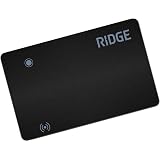
Ridge Tracker Card Compatible with Apple Find My, Compatible with Android Slim Tracking Card - Wallet Finder, Item Locator for Luggage Tags, Passports, Phone - MFi Certified, IP68 Water Resistance
$32.99 (as of October 8, 2026 03:28 GMT +00:00 - More infoProduct prices and availability are accurate as of the date/time indicated and are subject to change. Any price and availability information displayed on [relevant Amazon Site(s), as applicable] at the time of purchase will apply to the purchase of this product.)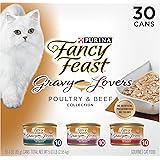
Purina Fancy Feast Gravy Lovers Wet Cat Food, 3 oz Cans, 30-Pack | Variety Pack with poultry and beef grilled gourmet recipes, made with no artificial colors or preservatives
$28.06 (as of October 8, 2026 03:10 GMT +00:00 - More infoProduct prices and availability are accurate as of the date/time indicated and are subject to change. Any price and availability information displayed on [relevant Amazon Site(s), as applicable] at the time of purchase will apply to the purchase of this product.)












Post Comment