
Echinacea and Colds: Miracle Cure or Just Another Health Myth?
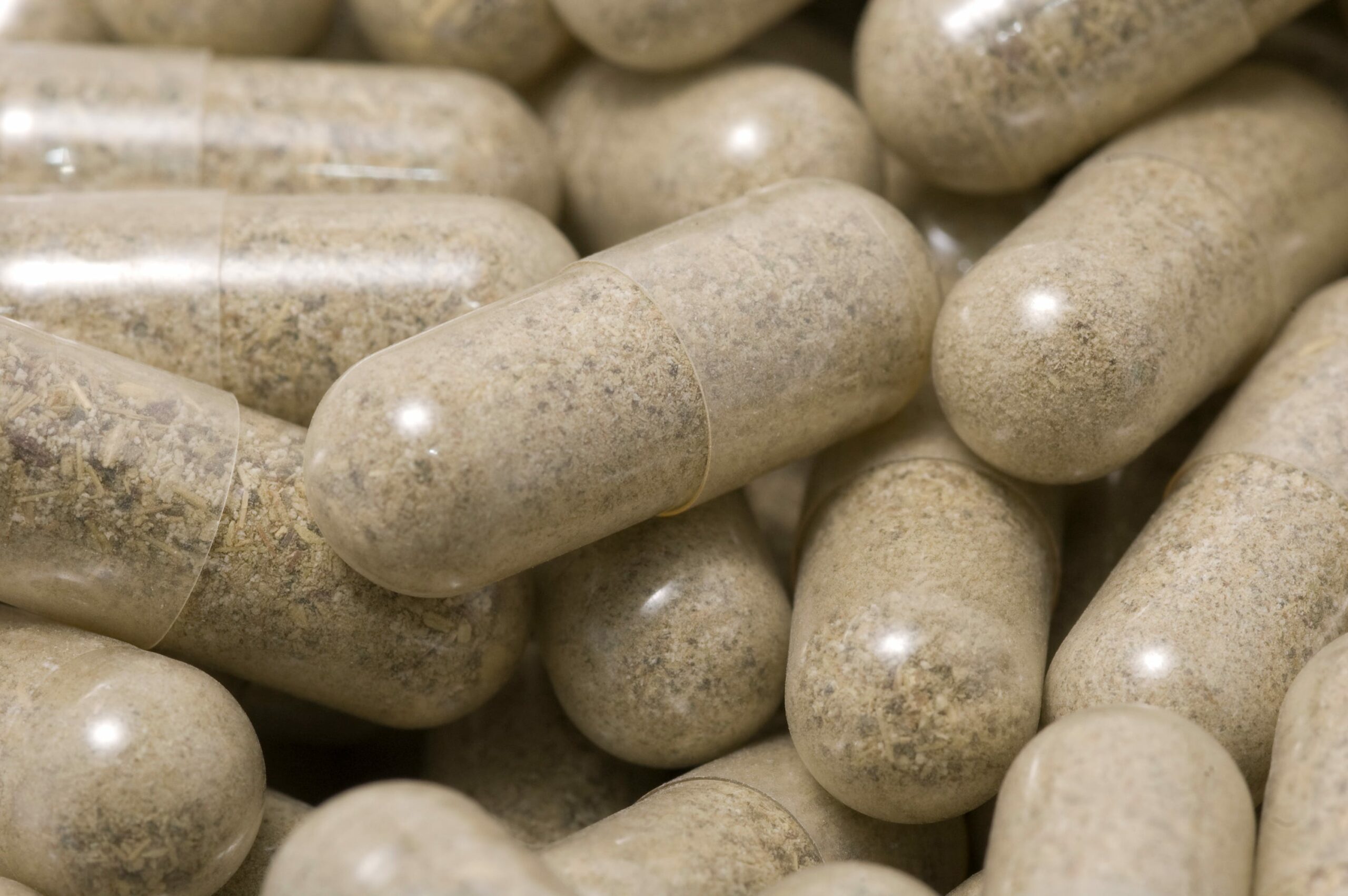
Ever found yourself scrolling through aisles—or endless web pages—looking for that magic potion to zap away your nagging cough or the pesky tickle in your throat? If you’ve stumbled upon echinacea, you’re not alone; it’s practically the superstar of natural remedies, showing up everywhere from gummies to teas, all boasting that oh-so-enticing promise to “boost” your immune system. But here’s the million-dollar question: does this purple flower really arm your body against the common cold, or is it just clever marketing dressed in daisy petals? As someone who’s navigated the murky waters of health trends and SEO hacks alike, I’ve learned that truth often hides in the details—and in this case, it comes down to your health and what you’re expecting from those little supplements. Curious to peel back the layers on echinacea’s claims? Let’s dive in together and separate fact from fluff. LEARN MORE
 4 min read
IF YOU’VE EVER searched for a natural remedy for that cough, cold, or scratchy throat, you’ve probably run into echinacea supplements. The stuff comes in pretty much any form you can think of: capsules, gummies, teas, tinctures, lozenges. Some of them even come emblazoned with marketing language that echinacea will “boost” your immune system. The implication is clear: Take echinacea and you can prevent—or beat—your cold symptoms.
But do these supplements actually work? Honestly, it depends on two key things: Your health and your expectations.
What is echinacea?
ECHINACEA IS A flowering plant native to North America, and part of the same botanical family as daisies and ragweed. There are several species, but supplements most commonly contain Echinacea purpurea and Echinacea angustifolia.
Indigenous peoples in North America have historically used echinacea to treat respiratory infections, tooth pain, and snake bites. Today, echinacea is marketed primarily for preventing or treating respiratory infections such as the common cold, and for strengthening or “boosting” the immune system.
Does echinacea “boost” the immune system?
WELL, “IMMUNE BOOSTING” is one of those wellness terms that sounds scientific, but doesn’t actually mean much.
Technically, a “boosted” immune system isn’t even something you want. The immune system is a complex collection of cells, tissues, signaling molecules, and organs that all need to respond appropriately to each individual threat. If your immune system is cranked up to 100 for every potential issue, this can result in the immune system attacking healthy cells and organs.
So you should only consider taking a supplement to promote a well-functioning immune system after you’ve achieved consistency with the basics: eating a healthy diet, getting enough sleep, and exercising regularly. (Getting vaccinated and frequent handwashing are also important for protecting yourself from pathogens, naturally.)
While supplements won’t replace the above habits, some research suggests that compounds in echinacea may influence certain immune and inflammatory pathways. However, an effect on immune cells in a lab is very different from replicating that effect in people. In terms of echinacea’s efficacy for the treatment and prevention of respiratory illness, human clinical trials have produced very mixed results.
Can echinacea prevent a cold?
IT MIGHT.
The best evidence for echinacea is with symptoms of the common cold and reducing risk of upper respiratory infection.
However, there is a high degree of variability with the outcomes of these studies, possibly due to different preparations among echinacea products as well as flaws in study design.
According to the U.S. National Center for Complementary and Integrative Health, echinacea may slightly reduce the chance of catching a cold, but evidence isn’t strong enough to consider it a reliable cold-prevention strategy.
What about taking echinacea once you’re already sick?
THIS IS PROBABLY how most people use echinacea: You wake up with a scratchy throat, immediately start taking it, and hope you’ve somehow caught the virus before it settles in.
Unfortunately, echinacea hasn’t been shown to reliably shorten a cold that’s already in progress. The best effects seem to be in people who take echinacea supplements prophylactically, not reactively. The issue with this is that echinacea supplements are only recommended for short-term use; long-term safety data is lacking.
Is echinacea safe?
FOR MOST HEALTHY adults, short-term use of supplemental echinacea appears to be safe. A standard dose of echinacea has not been determined; concentration and dosing vary according to which type of plant and preparation is used.
The most frequently reported side effects from echinacea supplements are gastrointestinal symptoms such as nausea and abdominal discomfort.
One important consideration: Because of cross-reactivity, people who are allergic to plants in the daisy/ragweed family may also react to echinacea supplements.
There is uncertainty around echinacea’s potential interactions with medications metabolized by the liver, and there are theoretical concerns about interactions with immunosuppressive medications. Safety data on the use of echinacea during pregnancy and breastfeeding is also limited.
As with other herbal supplements, there’s another issue: What’s actually in the bottle. Echinacea isn’t one standardized product. Unlike medications, supplements aren’t required in the U.S. to demonstrate effectiveness before reaching the market, and herbal products can differ significantly in their ingredients and concentrations.
The bottom line
Echinacea might affect immune function, and some research suggests certain preparations may modestly reduce the risk of respiratory infections or improve symptoms of the common cold. But most of the evidence around echinacea’s effectiveness for these things is inconsistent, and taking echinacea once you get sick will probably not dramatically shorten your cold.
If you’re a healthy adult who enjoys echinacea tea or wants to take an echinacea supplement for a few days when you feel a cold coming on, go ahead. Just make sure the supplement you choose is from a reputable manufacturer, and manage your expectations: Echinacea doesn’t “boost” your immune system into some virus-repelling superpower.

Abby Langer, RD is the owner of Abby Langer Nutrition, a Toronto-based nutrition consulting and communications company
Active Noise Cancelling Ear Buds Wireless Bluetooth Headphones 80H Playtime Display Charging Case 50dB ANC Over Ear Hooks Earbuds with Hi-Res Sound & Clear Calls for Sports Running Gym Workout Black
$85.46 (as of October 8, 2026 03:28 GMT +00:00 - More infoProduct prices and availability are accurate as of the date/time indicated and are subject to change. Any price and availability information displayed on [relevant Amazon Site(s), as applicable] at the time of purchase will apply to the purchase of this product.)
CELSIUS ARCTIC VIBE Sparkling Frozen Berry, Sugar Free Energy Drink, 12 Fl Oz (Pack of 12)
$12.59 (as of October 8, 2026 03:07 GMT +00:00 - More infoProduct prices and availability are accurate as of the date/time indicated and are subject to change. Any price and availability information displayed on [relevant Amazon Site(s), as applicable] at the time of purchase will apply to the purchase of this product.)
Nespresso Capsules Vertuo, Variety Pack, Medium and Dark Roast Coffee, 30 Count Coffee Pods, Brews 7.8 oz.
$42.00 (as of October 8, 2026 03:07 GMT +00:00 - More infoProduct prices and availability are accurate as of the date/time indicated and are subject to change. Any price and availability information displayed on [relevant Amazon Site(s), as applicable] at the time of purchase will apply to the purchase of this product.)
DUMOS Dog Playpen 24 Inch 8 Panels Indoor Outdoor Metal Pet Fence | Foldable Dog Play Pen with Door, Portable Exercise, RV Camping, Puppy Small Medium Dogs
$38.99 (as of October 8, 2026 03:20 GMT +00:00 - More infoProduct prices and availability are accurate as of the date/time indicated and are subject to change. Any price and availability information displayed on [relevant Amazon Site(s), as applicable] at the time of purchase will apply to the purchase of this product.)










Post Comment