
Emirates’ Bold Expansion Plans: Why Denver, Detroit, and Philadelphia Could Be Just the Beginning of a Game-Changing Route Revolution
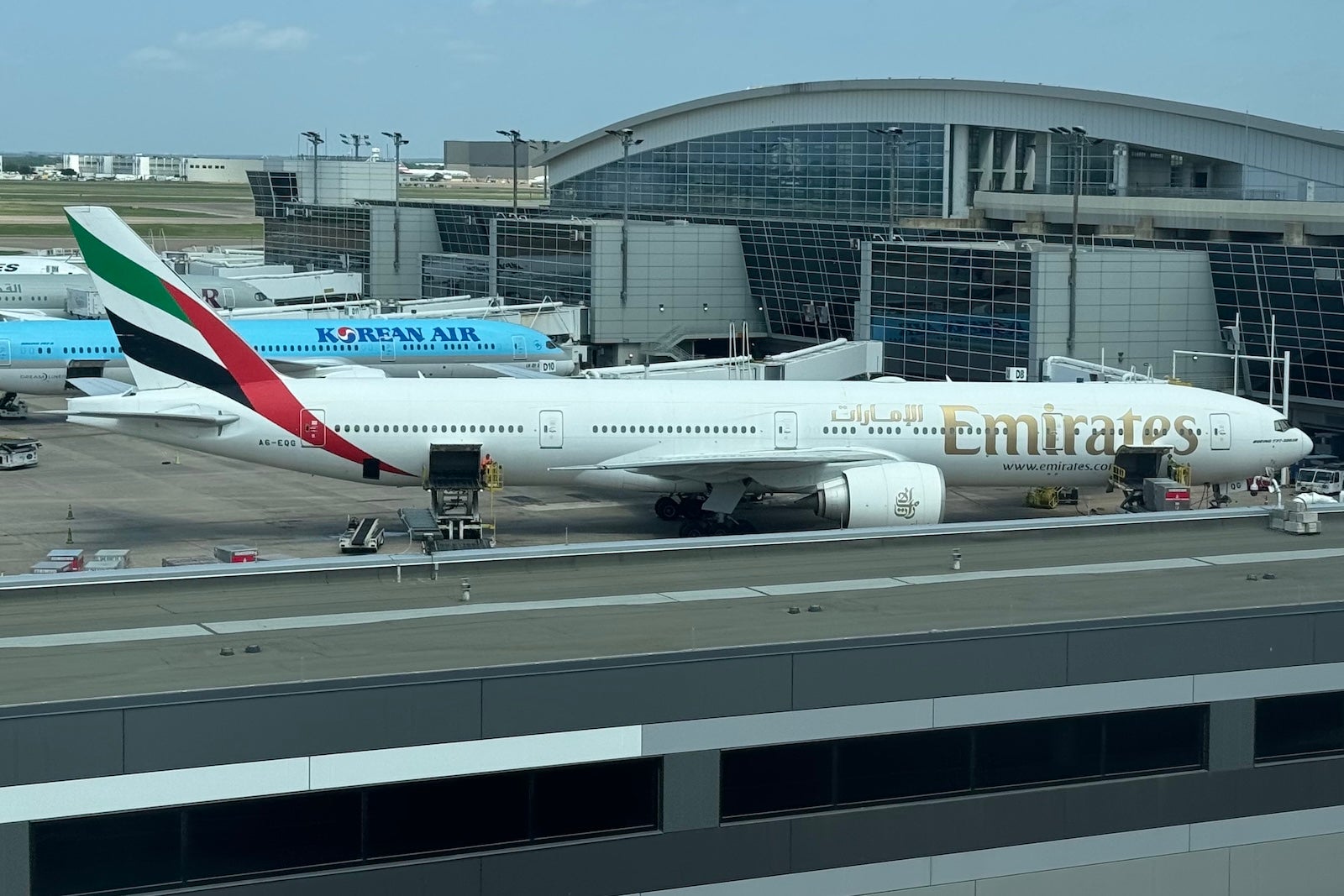
Ever wondered why Emirates seems unstoppable in its quest to weave the globe tighter through Dubai? Well, the Gulf giant isn’t just dreaming—they’re plotting flights to places like Denver, Detroit, and Philly, and Clark, their president, confirms the list of potential new stops is practically endless. Imagine a network that stretches a finger to nearly every corner of the world — it’s not just ambition, it’s strategy powered by cutting-edge aircraft coming to life in their hangars. Since their last U.S. touchdown in Miami back in 2021, Emirates has been quietly gearing up for a big leap, not just adding points on the map but redefining what’s possible in global air travel. Stick around, because the sky’s not the limit—it’s just the beginning. LEARN MORE
Emirates has no plans to slow its expansion in Dubai anytime soon.
The Gulf carrier is eyeing potential flights to Denver International Airport (DEN), Detroit Metropolitan Airport (DTW) and Philadelphia International Airport (PHL). Those are just some options from a list of markets that “goes on and on,” Emirates president Tim Clark said in an interview on the sidelines of the Routes World conference this week.
“There aren’t many cities in the world that we will not be able to touch if we want to get there,” he said.
Emirates last added a U.S. destination in 2021, when it launched flights to Miami International Airport (MIA) to replace service to nearby Fort Lauderdale-Hollywood International Airport (FLL), according to Cirium schedules. Newark Liberty International Airport (EWR) was its last entirely new destination in 2017.
777X, A350 expand US opportunities
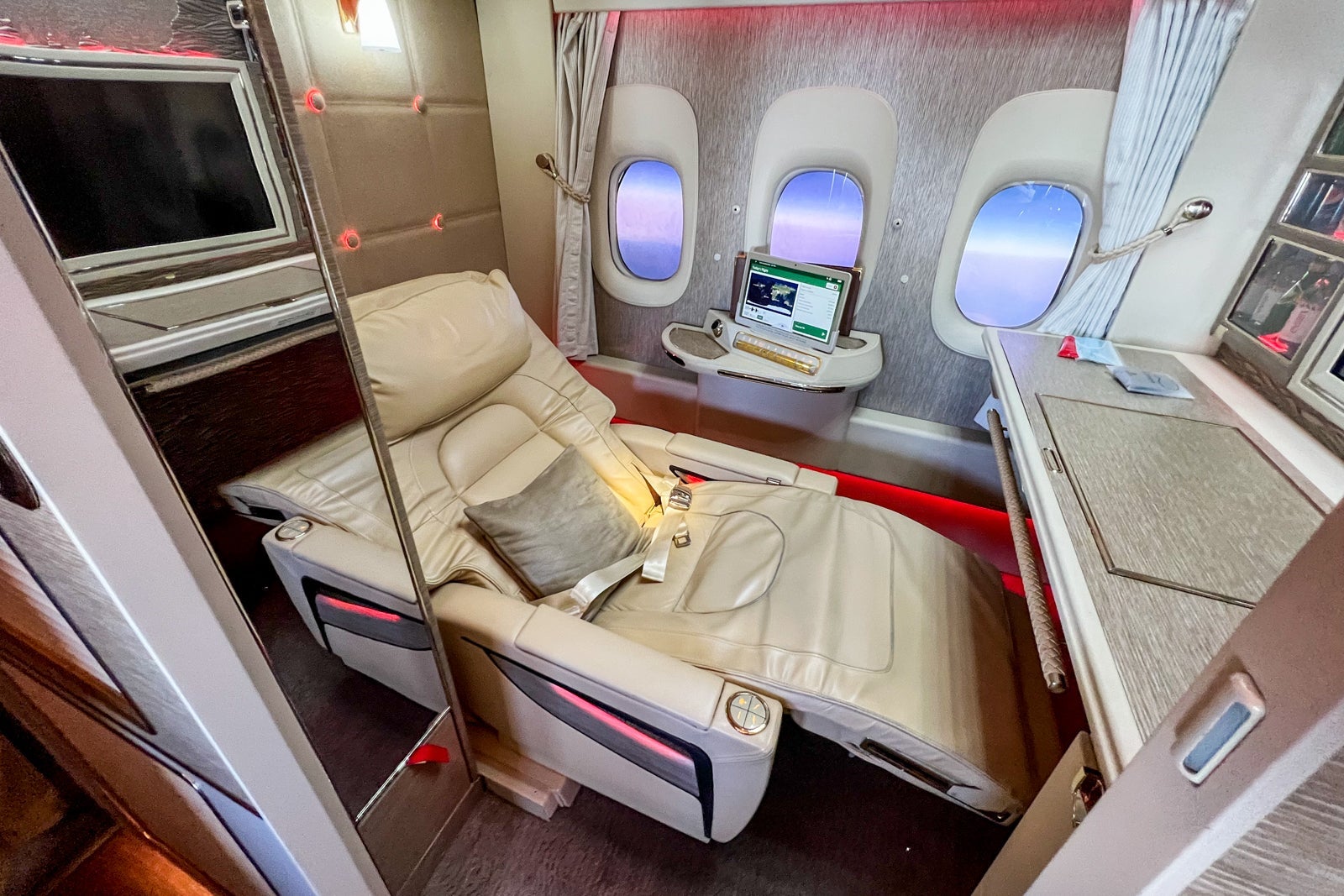
The number of cities Emirates can serve profitably from Dubai International Airport (DXB) will increase as it takes delivery of more efficient next-generation aircraft. Its order book includes more than 300 Airbus A350s, Boeing 787s and the long-delayed Boeing 777Xs, with options to convert some of its latest 777-9 orders to the smaller 777-8 or a potential larger 777-10 variant.

Emirates expects its first 777-9s with 300-400 seats in 2027, Clark said. The plane was originally scheduled to arrive in 2020.
Clark declined to comment on the plane’s interior plans, except to say they will be “stylish, luxurious and cool.”
“Nobody is going to be disappointed regardless of the class of travel they travel in,” he said.
Strong demand despite war in Iran
Despite the ongoing conflicts involving Iran and the Houthis in Yemen, Emirates remains committed to its expansion plans, Clark said.
“The demand in the multiple segments that we have been in traditionally is still strong for us,” he said on the current environment.
Emirates is the dominant carrier at Dubai International Airport (DXB), where it has benefited from flight suspensions by several Western airlines. The carrier’s extensive network connects travelers from Europe and North America to destinations across India, Southeast Asia and Africa.
Clark pointed to Bangkok as one example of continued strong demand, noting that flights to the Thai capital remain full.
And Emirates remains profitable despite the hit from high jet fuel prices, he added.
The average price of kerosene stood at $4.58 per gallon during the week ending Oct. 16, according to data from the trade group IATA.
United partnership
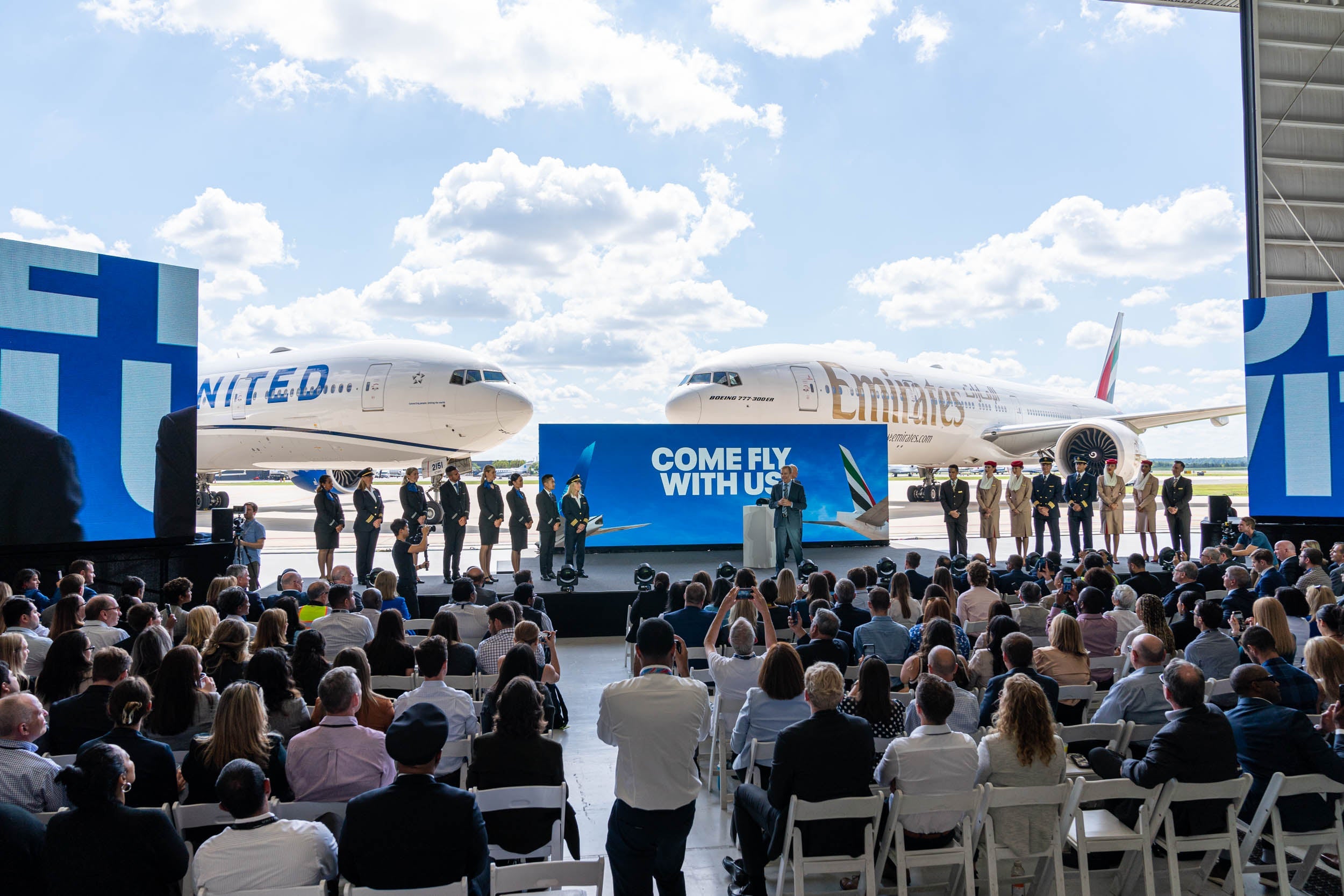
Emirates and United Airlines launched a codeshare and loyalty tie-up between their respective Skywards and MileagePlus programs in 2023.
As part of the pact, United launched a new service to DXB from its Newark Liberty International Airport (EWR) hub. The airline suspended the route in February after the U.S. and Israeli attacks on Iran.
While Clark did not mention United in his comments on potential U.S. growth, DEN is the only United hub that Emirates does not already serve.
Related reading:

Amazon Basics Leak-Proof Dog and Puppy Potty Training Pee Pads with Quick-Dry 5-Layer Super Absorbent Design, Regular Size 22 x 22 inch, Blue & White, 100 Count
$19.20 (as of October 24, 2026 03:13 GMT +00:00 - More infoProduct prices and availability are accurate as of the date/time indicated and are subject to change. Any price and availability information displayed on [relevant Amazon Site(s), as applicable] at the time of purchase will apply to the purchase of this product.)
Monster Energy Zero Ultra, Sugar Free Energy Drink, 16 Ounce | Pack of 15
$26.98 (as of October 24, 2026 03:13 GMT +00:00 - More infoProduct prices and availability are accurate as of the date/time indicated and are subject to change. Any price and availability information displayed on [relevant Amazon Site(s), as applicable] at the time of purchase will apply to the purchase of this product.)
Banana Bunch (4-5 Count)
(as of October 24, 2026 03:13 GMT +00:00 - More infoProduct prices and availability are accurate as of the date/time indicated and are subject to change. Any price and availability information displayed on [relevant Amazon Site(s), as applicable] at the time of purchase will apply to the purchase of this product.)
DUMOS Small 44 in Cat Tree Tower with Natural Sisal Scratching Posts | Cat Tree with Hammock, Pet Condo for Indoor All Ages Cats and Kittens Play, Beige
$33.99 (as of October 24, 2026 03:23 GMT +00:00 - More infoProduct prices and availability are accurate as of the date/time indicated and are subject to change. Any price and availability information displayed on [relevant Amazon Site(s), as applicable] at the time of purchase will apply to the purchase of this product.)











Post Comment