
Ethereum’s Crypto Overhaul with Keccak-256: The Game-Changer that Could Make or Break Your Investments in the AI & Quantum Era—Are You Ready?
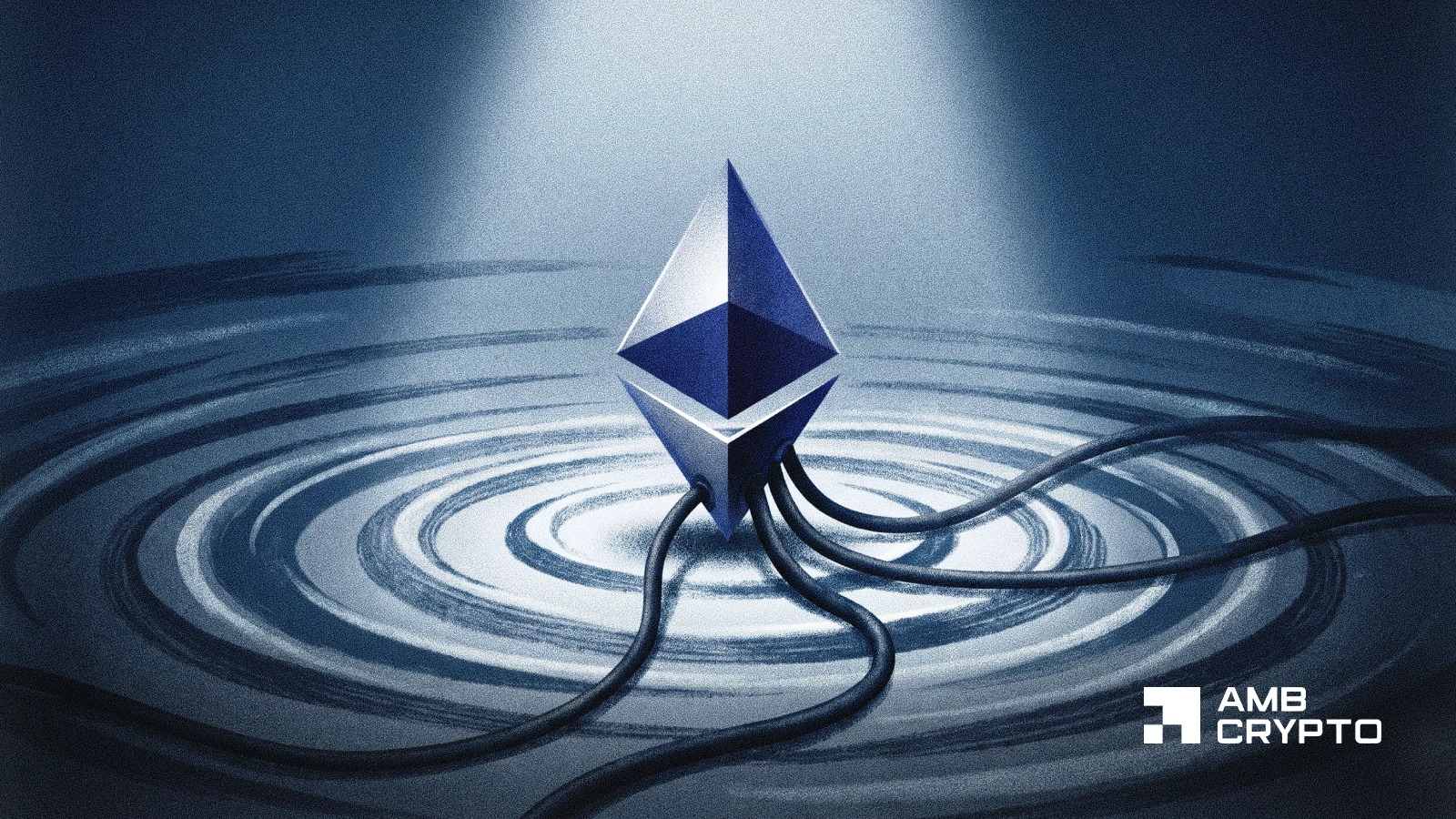
So Ethereum’s rolling with the punches amid the bear market, huh? But here’s the real kicker — while prices dip and bounce, the Ethereum Foundation is already looking way beyond the short-term noise. They’ve dropped a bombshell: recommending Keccak-256 as the go-to hash function for Ethereum’s hash-based cryptography. Why? Because in a world where quantum computing and AI aren’t just sci-fi anymore but real, looming threats, you can’t afford to gamble on anything less than rock-solid security. Fun fact — Keccak-256 isn’t just strong; it’s one of the most battle-tested hashes out there and, get this, it’s still untouched by AI-powered cryptanalysis. Makes you wonder: with AI catching bugs faster than we can blink, are we ready for the next level of digital warfare? The Foundation’s doubling down on security and formal verifications — because messing this up? Not an option. Dive deep into what makes Keccak-256 the champ and why AI’s pace might just be the real curveball Ethereum’s racing to catch up with. LEARN MORE
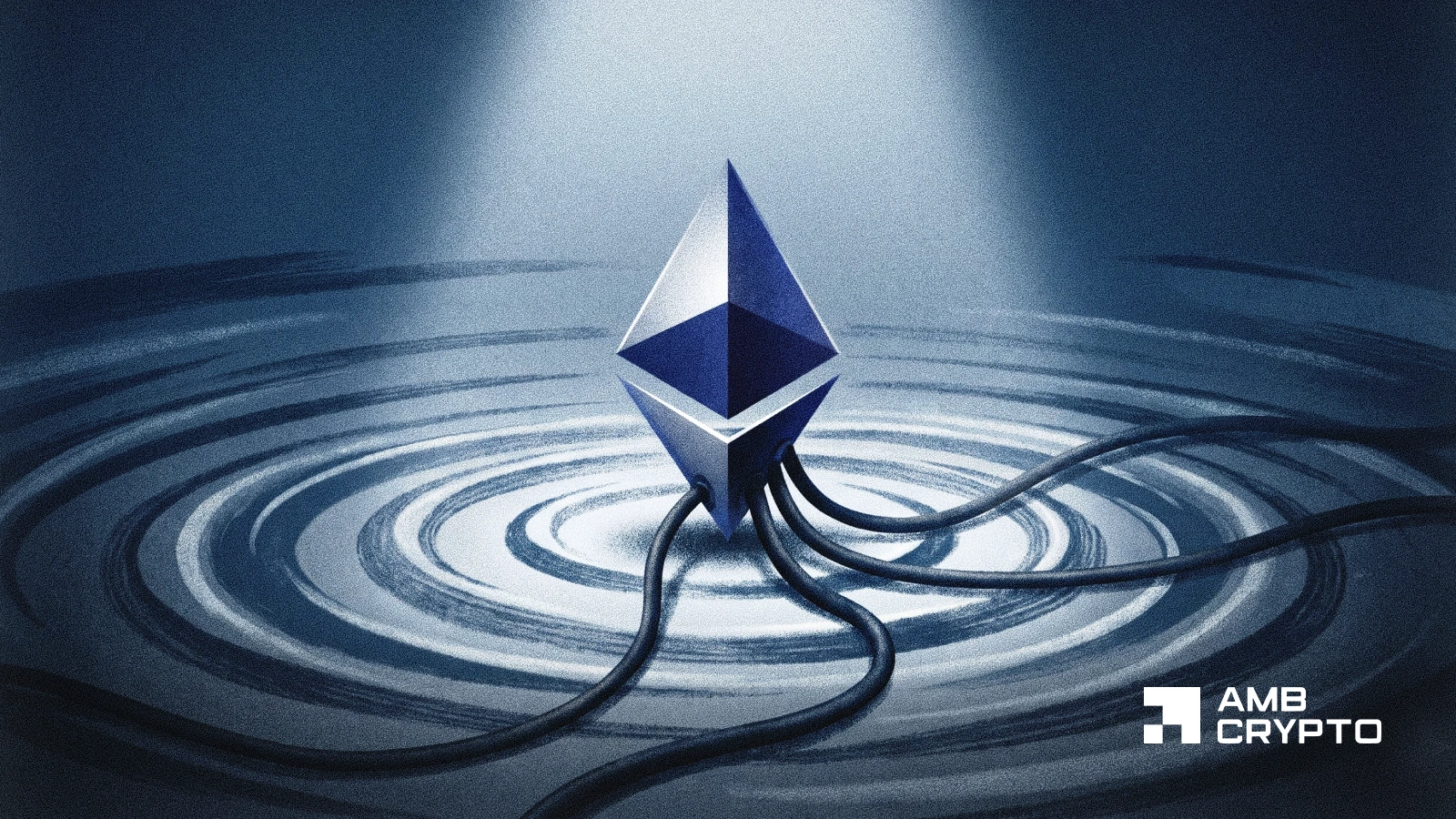
Ethereum Foundation is in the news today after it announced that it has recommended Keccak-256 as the hash function for Ethereum’s hash-based cryptography.
The ongoing bear market price action is only a bump in the road. In the long term, however, the network has to be prepared to contend with threats posed by both quantum computing and progressing artificial intelligence capabilities.
Keccak-256 preferred for its large security margin, native integration
On Tuesday, 24th November, the Foundation revealed its recommendation and the reasons behind it.
It considered five candidates: the ZK-friendly hashes, Poseidon and Poseidon2, the fast hashes BLAKE3 and BLAKE2, and the two hashes Ethereum already uses- SHA-256 and Keccak-256.
Keccak-256 has “arguably the most extensive cryptanalysis out of all unbroken traditional hashes,” the blog post read. An additional benefit is that this hash function has so far remained unaffected by AI-assisted cryptanalysis
Zero-knowledge proof technology improvements have removed the performance advantages offered by Poseidon. Security was the primary concern.
Though natively fast, the best collision attack reached 38 out of 64 rounds for SHA-256. Only 5 out of 24 rounds were reached for Keccak-256.
The Foundation also recommended against using SHA3-256 alongside Keccak-256 since both use the same underlying permutation and have similar security characteristics.
AI is a “more urgent risk” than quantum computers
According to Ethereum Foundation Researcher Kev Wedderburn, they have been planning ways to counter quantum computing’s threat. In fact, AI has emerged as a more urgent risk recently.
Models are already finding bugs in production software faster than people can review them, the researcher wrote.
The planned upgrade will overhaul how validators sign messages, users authorize transactions, and how Ethereum verifies data posted by rollups.
It is harder than the 2022 Merge, and there is less time, Wedderburn acknowledged. Working faster can ship more bugs, so the Foundation has doubled the protocol security team to ensure formal verification. This will also allow the security work to progress at the pace of protocol development.
Final Summary
- The Ethereum Foundation has recommended Keccak-256 over four other hash functions, citing its security track record.
- Artificial intelligence models are finding bugs in production software faster than people can review them.

Lavazza Espresso Whole Bean Coffee, Medium Roast, 100% Arabica, 2.2 lb Bag
$15.99 (as of November 26, 2026 03:25 GMT +00:00 - More infoProduct prices and availability are accurate as of the date/time indicated and are subject to change. Any price and availability information displayed on [relevant Amazon Site(s), as applicable] at the time of purchase will apply to the purchase of this product.)
Bose QuietComfort Headphones - Wireless Bluetooth Headphones, Active Over Ear Noise Cancelling and Mic, USB-C Charging, Deep Bass, Up to 24 Hours of Playtime, Twilight Blue - Limited Edition Color
$167.00 (as of November 26, 2026 03:29 GMT +00:00 - More infoProduct prices and availability are accurate as of the date/time indicated and are subject to change. Any price and availability information displayed on [relevant Amazon Site(s), as applicable] at the time of purchase will apply to the purchase of this product.)
SHOKZ OpenRun Air 2 Bone Conduction Open-Ear Bluetooth Headphones,Black | Bundle with Hair Band;26.4g lightweight; Secure fit; PremiumPitch 3.0 sound; IP67; 10H battery; Running/cycling/hiking
$99.95 (as of November 26, 2026 03:38 GMT +00:00 - More infoProduct prices and availability are accurate as of the date/time indicated and are subject to change. Any price and availability information displayed on [relevant Amazon Site(s), as applicable] at the time of purchase will apply to the purchase of this product.)
Amazon Kindle Paperwhite 16GB (2024 model) – 7" glare-free display and weeks of battery life – Black
$129.99 (as of November 26, 2026 03:29 GMT +00:00 - More infoProduct prices and availability are accurate as of the date/time indicated and are subject to change. Any price and availability information displayed on [relevant Amazon Site(s), as applicable] at the time of purchase will apply to the purchase of this product.)













Post Comment