
Exclusive New Footage Reveals Deadly Russian Iskander Strike on Kyiv—What This Means for Global Stability and Investment Risks
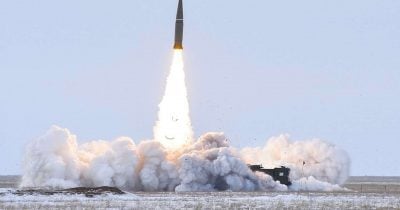
When you think of missile strikes, especially amidst the tense backdrop of the Russia-Ukraine conflict, it’s hard not to wonder: just how far can destruction be dialed up? Recently, a Russian Iskander missile—packed with cluster munitions—turned Kyiv into a blasted mosaic of explosions, highlighting not only the grim reality on the ground but also the escalating stakes. Cluster munitions aren’t just your average firecracker; they scatter devastation wide and far, increasing the risk to civilians and raising the question—what’s the endgame here? The Iskander, a short-range ballistic missile famed for its precision and adaptability, seems to have upped its ominous reputation. As the smoke clears over Kyiv’s skyline, so does the unsettling thought that the intensity of this conflict is spiraling into uncharted territory. Ready to grasp what this means beyond the headlines? LEARN MORE
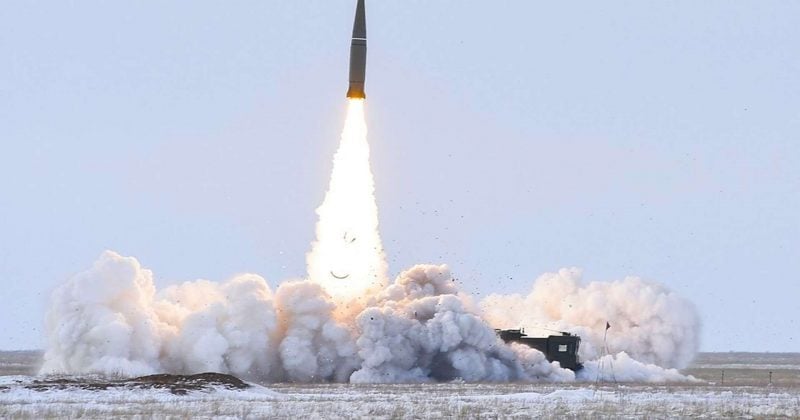
A recent social media post by @MarioNawfal reported that a Russian Iskander missile, equipped with cluster munitions, struck Kyiv, resulting in a series of explosions across the impacted area. This incident is part of the ongoing Russia–Ukraine war, which has seen Kyiv under frequent missile attacks. The use of cluster munitions, known for causing widespread damage and higher risks to civilians, underscores the intensity of the conflict. The Iskander system is a short-range ballistic missile capable of carrying various warheads, including those that can disperse multiple explosive submunitions over a wide area.
Key Takeaways
- The incident appears to suggest an escalation in the conflict, with Russia employing cluster munitions in Kyiv.
- Market participants seem to view this action as consistent with scenarios where military aggression could increase, potentially affecting NATO-Russia relations.
- Current market pricing implies a 25% chance of a NATO-Russia military clash by the end of 2026, reflecting concerns over rising tensions.
What to Watch
Observers will be looking for any response from NATO or its member states, as further escalations could alter the geopolitical landscape. Key actors like Russian President Vladimir Putin and NATO officials may provide statements or engage in diplomatic efforts that could influence market perceptions. Continued developments in the Russia-Ukraine conflict, especially involving advanced weaponry or attacks in significant areas, could shift the current market dynamics.
Get live prediction-market analysis, powered by Vera. Sign up for Vera.

Dog Bed Foldable Grooming Hammock Stand and Bath Holder for Small Pets | Washable mesh cradle keeps paws accessible for nail trimming while open weave lets water drain during routine care sessions
$33.99 (as of October 8, 2026 03:20 GMT +00:00 - More infoProduct prices and availability are accurate as of the date/time indicated and are subject to change. Any price and availability information displayed on [relevant Amazon Site(s), as applicable] at the time of purchase will apply to the purchase of this product.)
Amazon Fire TV Stick 4K Plus with AI-powered Fire TV Search, Wi-Fi 6, stream hundreds of thousands of movies and shows, free & live TV, find shows faster with Alexa+
$37.99 (as of October 8, 2026 03:20 GMT +00:00 - More infoProduct prices and availability are accurate as of the date/time indicated and are subject to change. Any price and availability information displayed on [relevant Amazon Site(s), as applicable] at the time of purchase will apply to the purchase of this product.)
Premier Protein 30g High Protein Shake, Chocolate, 12 Pack | 160 Calories, 24 Vitamins & Minerals, No Added Sugar, Supports Muscle Health, Gluten-Free, 11.5 oz
$34.99 (as of October 8, 2026 03:07 GMT +00:00 - More infoProduct prices and availability are accurate as of the date/time indicated and are subject to change. Any price and availability information displayed on [relevant Amazon Site(s), as applicable] at the time of purchase will apply to the purchase of this product.)
Amazon Fire TV Stick HD (newest model), free & live TV, Alexa Voice Remote, powered by the TV, effortless setup, find shows faster with Alexa+
$15.99 (as of October 8, 2026 03:20 GMT +00:00 - More infoProduct prices and availability are accurate as of the date/time indicated and are subject to change. Any price and availability information displayed on [relevant Amazon Site(s), as applicable] at the time of purchase will apply to the purchase of this product.)












Post Comment