
Federal Reserve Hits Pause, But Kevin Warsh’s Hawkish Tilt Could Spark Market Chaos—Here’s What Investors Need to Know Now

Ever notice how a silent room can suddenly roar louder than a crowded stadium? That’s exactly the vibe I got watching the Federal Reserve’s June 17 play. Sure, they hit pause on interest rate moves—again—but the real kicker? What Fed Chair Kevin Warsh hinted at, quietly but clearly, could shake markets harder than a blackout in Times Square. So, what’s brewing beneath that unanimous 12-0 vote to hold rates steady at 3.5% to 3.75%? It’s less about “no change” and more about “brace for potential hikes,” a pivot that’s got every asset from stocks to crypto sweating bullets. This isn’t just central banking—it’s a masterclass in market mind games, and if you blink, you just might miss your cue to act. Curious about how this new Fed toneseter could rewrite the rules for your investments? Dive deeper and get the full breakdown. LEARN MORE
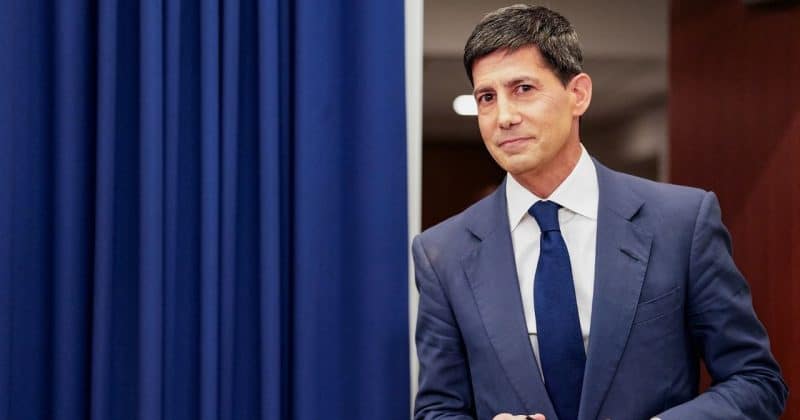
The Federal Reserve kept interest rates unchanged on June 17, but the real story isn’t what the central bank did. It’s what it’s now threatening to do next.
In his first FOMC meeting as chair, Kevin Warsh oversaw a unanimous 12-0 vote to hold the federal funds rate at 3.5% to 3.75%. That marks the fourth consecutive meeting with no movement. But the statement that accompanied the decision was stripped of any language hinting at future rate cuts, a deliberate pivot toward hawkishness that sent tremors through every asset class, crypto included.
The dot plot tells the story
Look at the numbers. Nine of the 19 committee officials now project at least one rate hike before 2026 ends. In March, that figure was zero.
The median forecast for where rates will land by year-end climbed to 3.8%, up from 3.4% in March’s projections.
Inflation is the culprit. The Fed revised its PCE inflation forecast upward to 3.6% for 2026, a number that sits uncomfortably above the central bank’s 2% target. GDP growth projections, meanwhile, were nudged lower. Geopolitical tensions in the Middle East appear to be a contributing factor to the inflation concerns, adding supply-side pressure to an already complicated picture.
Crypto markets feel the squeeze
The reaction in digital assets was swift and painful. Bitcoin and Ether ETFs saw combined outflows of $111 million following the meeting. Treasury yields rose in the immediate aftermath of the announcement, which is exactly what you’d expect when the market starts pricing in tighter policy.
Warsh sets the tone
Kevin Warsh took over as Fed chair in May 2026, succeeding Jerome Powell. His first meeting sent a clear message about priorities. The decision to strip forward guidance about rate cuts from the official statement was particularly telling. By removing language that had previously signaled a preference for easing, Warsh effectively reset market expectations in a single meeting.
What this means for investors
Watch the inflation data closely. If PCE readings continue to come in hot, validating the Fed’s revised 3.6% forecast, the probability of an actual rate hike in 2026 will climb further. That scenario would likely accelerate outflows from crypto products and put additional pressure on prices across the board.

Dog Allergy Relief Chews - Anti-Itch Skin & Coat Supplement with Omega 3 | Itchy Skin Relief Treatment with Fish Oil - Itching & Paw Licking Support - Dry Skin & Hot Spots Treats - Made in USA, 180Ct
$18.39 (as of October 11, 2026 03:20 GMT +00:00 - More infoProduct prices and availability are accurate as of the date/time indicated and are subject to change. Any price and availability information displayed on [relevant Amazon Site(s), as applicable] at the time of purchase will apply to the purchase of this product.)
Amazon Kindle Paperwhite Signature Edition 32GB (2024 model) – Auto-adjusting front light, wireless charging, and weeks of battery life – Metallic Black
$249.99 (as of October 11, 2026 03:20 GMT +00:00 - More infoProduct prices and availability are accurate as of the date/time indicated and are subject to change. Any price and availability information displayed on [relevant Amazon Site(s), as applicable] at the time of purchase will apply to the purchase of this product.)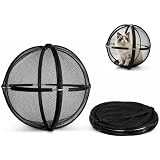
Portable Outdoor Cat Enclosure 27" Mesh Ball Cat Cage | Collapsible Breathable Pet Playpen with Zipper, Lightweight Pop-Up Safe Enclosure for Indoor Lawn Travel
$45.99 (as of October 11, 2026 03:20 GMT +00:00 - More infoProduct prices and availability are accurate as of the date/time indicated and are subject to change. Any price and availability information displayed on [relevant Amazon Site(s), as applicable] at the time of purchase will apply to the purchase of this product.)
Flea and Tick Collar for Cats 4 Pack, 8 Months Protection, Plant-Based Ingredients, Water-Resistant, Adjustable & Lightweight, Suitable for Adult Cats & Kittens, White
$27.99 (as of October 11, 2026 03:20 GMT +00:00 - More infoProduct prices and availability are accurate as of the date/time indicated and are subject to change. Any price and availability information displayed on [relevant Amazon Site(s), as applicable] at the time of purchase will apply to the purchase of this product.)












Post Comment