
Forget Expensive Supplements: This Simple Gut Hack Could Be the Real Game-Changer You’ve Been Missing!
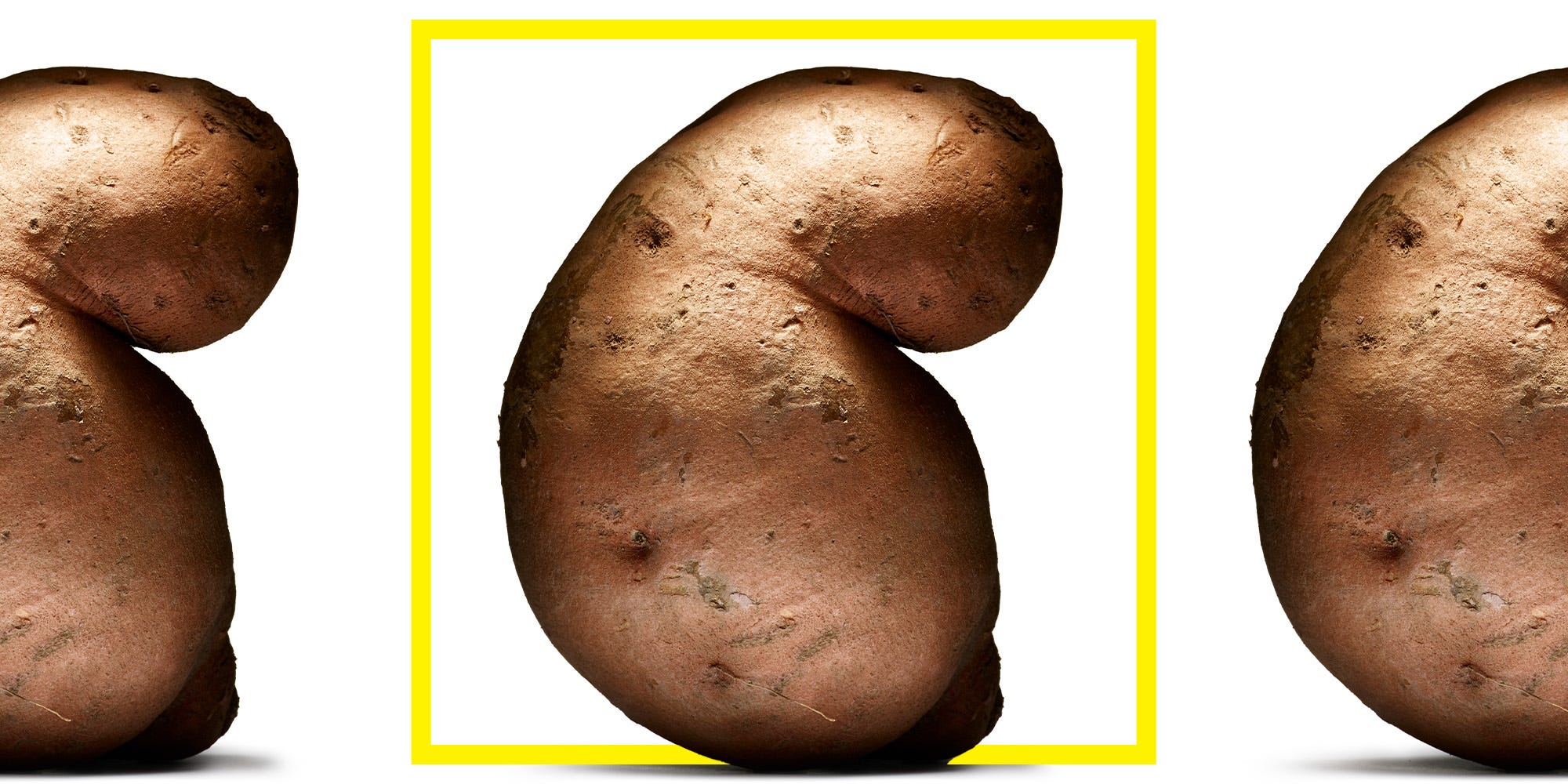
Ever wondered if your humble plate of rice, potatoes, or pasta could pack a sneaky metabolic punch just by getting a chill before you dig in? Sounds a bit bonkers, right? Like, who actually thinks to cool down starchy staples on purpose—unless you’re procrastinating or just plain forgot your meal in the fridge? But hold up, this isn’t some off-the-wall fitness fad cooked up overnight. There’s legit science backing this chilly trick, all thanks to something called resistant starch—a funky form of carbohydrate that laughs in the face of digestion, cruising straight to your colon where it fuels your gut’s good bacteria. Intrigued yet? Trust me, this simple kitchen tweak might just have more muscle in managing blood sugar, gut health, and even weight loss than those flashy, overhyped diets we all love to hate. The clincher? Reheating won’t kill its mojo. So next time you’re thinking hot and fresh is the only way, maybe think cool, slow, and steady wins the health race. LEARN MORE
 3 min read
ADMITTEDLY BIZARRE QUESTION: What if cooling your rice, potatoes, and pasta before eating them could change the way your body digests them, potentially improving their effects on blood sugar, gut health, and even weight loss?
While the idea of refrigerating your dinner before eating it sounds like another ridiculous nutrition trend, this one (gasp!) actually has some legitimate research behind it.
It all comes down to resistant starch, a type of carbohydrate that escapes digestion in the small intestine and has shown to have some interesting effects on gut health, blood sugar, and more.
What is resistant starch?
MOST STARCHES (AKA complex carbohydrates) are broken down into glucose in the small intestine. That glucose is then absorbed into the cells and used for energy.
Resistant starch, as its name suggests, resists that process, passing through the small intestine intact. Once in the colon, it’s fermented by good gut bacteria. Although technically a starch, resistant starch functions similarly to dietary fiber in that its fermentation confers health benefits to the host. There are five types of resistant starch; two are found in food, the remaining three are created through cooking and cooling or chemical modification.
What’s up with the cooking and cooling thing?
WHEN YOU COOL or freeze starchy foods like bread and cooked pasta, rice, and potatoes, the temperature drop causes some of the starch molecules in these foods to rearrange themselves in a process called retrogradation. This makes them more difficult for digestive enzymes to break down.
The amount of resistant starch formed depends on the food, its starch composition, how it’s cooked, and how long it’s cooled. Reheating a starchy food does not destroy the resistant starch that has formed, so yes, you can toast your frozen bread and still theoretically reap the benefits.
Benefits of resistant starch
SOME OF THE strongest evidence for resistant starch’s health benefits comes from its role as a prebiotic, meaning that it serves as food for beneficial gut bacteria. When these gut bacteria ferment resistant starch in the colon, they produce short-chain fatty acids including butyrate, acetate, and propionate. These are important for maintaining the integrity of the gut barrier, modulating inflammation, and supporting intestinal health.
Resistant starch has also shown some potential with blood sugar regulation. Because resistant starch isn’t readily turned into glucose, replacing some digestible starch with resistant starch can reduce the amount of glucose entering the bloodstream after a meal. Research found that this can be potentially helpful for people who have diabetes or prediabetes.
There are plenty of social media videos describing how cooking and cooling your starch can help with weight loss, but these claims are mostly overstated.
Although resistant starch provides fewer calories due to its poor absorption in the gut, it’s important to understand that in the majority of cases, this doesn’t translate into a significant calorie deficit. Only a portion of the starch in a dish converts to resistant starch, so the actual calorie differential between hot and cooled starch is unlikely to be calorically meaningful.
There’s also this: Cooling your carbohydrates also doesn’t magically cancel out their calories or make them into low-carb foods.
Which foods contain resistant starch?
ASIDE FROM COOKING and cooling your starchy foods, there are foods that already contain resistant starch. These include green bananas, Jerusalem artichokes, beans and lentils, oats and barley, whole grains, and seeds.
Resistant starch supplements are also available, but it’s worth keeping in mind the fermentation process that resistant starch undergoes in the colon can produce side effects such as gas, bloating, and cramps. Individual tolerance levels vary.
Should you be eating more resistant starch?
FOODS THAT CONTAIN resistant starch are also high in nutrients and fiber, which most of us don’t eat enough of. Adding more of these foods to your diet is a good idea for most healthy people, but resistant starch isn’t a miracle ingredient that is going to improve your health on its own. If you enjoy leftover or cooled starches, that’s great. If not, they aren’t an essential for health.
To prevent foodborne illness, always cool cooked starches in the refrigerator.
If you want to increase your resistant starch intake, start with whole food sources such as beans and lentils, whole grains, and potatoes. These foods also offer nutrition benefits beyond their resistant starch content.
Not everything we eat has to have health benefits, and there’s really no benefit to overloading your system with resistant starch. Resistant starch can be one part of a healthy diet, but not the only part.

Abby Langer, RD is the owner of Abby Langer Nutrition, a Toronto-based nutrition consulting and communications company
BarkBox LICKSTERS Peanut Butter & Beef Treat Refills - Medium and Large | Peanut Butter & Beef Recipe Dog Treats - Probiotics for Gut Health, No Corn or Soy, Made in the USA - For LICKSTERS Toy
$14.99 (as of October 20, 2026 03:22 GMT +00:00 - More infoProduct prices and availability are accurate as of the date/time indicated and are subject to change. Any price and availability information displayed on [relevant Amazon Site(s), as applicable] at the time of purchase will apply to the purchase of this product.)
Amazon Fire TV Stick 4K (newest model), simple 4K streaming, new Fire TV Remote, all your apps in one place, free & live TV, find shows faster with Alexa+
$59.99 (as of October 20, 2026 03:33 GMT +00:00 - More infoProduct prices and availability are accurate as of the date/time indicated and are subject to change. Any price and availability information displayed on [relevant Amazon Site(s), as applicable] at the time of purchase will apply to the purchase of this product.)
Monster Energy Zero Ultra, Sugar Free Energy Drink, 16 Ounce | Pack of 15
$26.98 (as of October 20, 2026 03:12 GMT +00:00 - More infoProduct prices and availability are accurate as of the date/time indicated and are subject to change. Any price and availability information displayed on [relevant Amazon Site(s), as applicable] at the time of purchase will apply to the purchase of this product.)
reatoy Cat Deterrent Spray for Furniture Protection, Anti Scratch and Urine Marking, Plant-Based Safe Formula for Indoor & Outdoor 150ML
$19.98 (as of October 20, 2026 03:22 GMT +00:00 - More infoProduct prices and availability are accurate as of the date/time indicated and are subject to change. Any price and availability information displayed on [relevant Amazon Site(s), as applicable] at the time of purchase will apply to the purchase of this product.)













Post Comment