
General Mills Just Shattered Expectations – Here’s Why Investors Should Be Paying Attention Now!
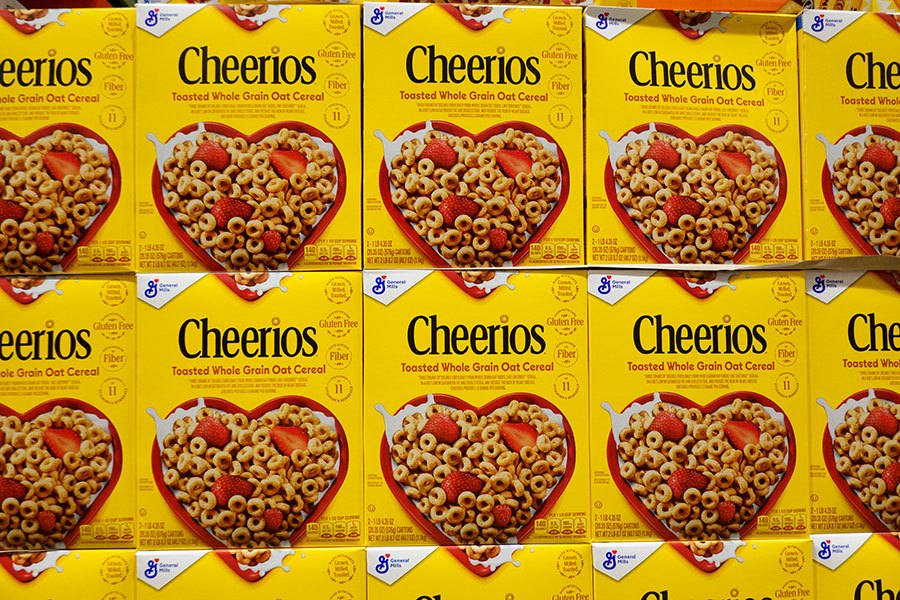
Ever wondered how a giant like General Mills manages to keep its cereal bowls filled despite grappling with rising costs and inflation that’s giving us all a headache? Turns out, when people face those ever-nagging price hikes, they tend to stick to eating at home — boosting demand for pantry staples and packaged goods. General Mills has just outpaced first-quarter sales estimates, leaning on price increases and that steady at-home food appetite to cushion against the pinch of higher input costs. But here’s the kicker: while sales slipped slightly and margins tightened due to those pesky tariffs and raw material expenses, the company’s cost-cutting crusade is on track to save a cool $750 million this year. It’s a fascinating dance of pricing, consumer behavior, and strategic savings that has General Mills reaffirming its fiscal outlook amid a tough market. Curious how they’re juggling all this and what it means for the future of your breakfast table? LEARN MORE.
General Mills has reaffirmed its annual forecast after beating its first-quarter sales estimates, as price increases and resilient demand for at-home food helped partially offset higher input costs.
Consumers facing persistently high inflation have been opting to eat at home, supporting demand of pantry staples and packaged foods.
The Cheerios maker’s sales fell 3% to $4.39bn for the quarter ended 30 August, compared with the average of analysts’ estimates of $4.35bn, according to data compiled by the London Stock Exchange Group (LSEG).
However, organic sales were flat for the quarter.
The company said it remains on track to generate at least $750 million in savings this year through its cost-cutting actions as high input costs weigh on the company’s margins.
General Mills’ adjusted gross margin fell 90 basis points to 33.3% of net sales, hurt by higher input costs.
The Pillsbury maker, like several packaged food and beverage companies, has been raising prices to make up for a rise in raw material costs due to US import tariffs, especially of packaging metals like aluminium and steel.
General Mills’ North America retail (NAR) segment, its largest business that generates more than half of its total revenue, reported a 7% decline in sales, compared with a 13% drop a year ago.
Dana McNabb, CFO of General Mills, said: “While most of NAR’s priority businesses delivered improved market share trends in Q1, some are not yet back to absolute share growth, and we’re focused on improving this trajectory.”
International sales rose 4%, driven by growth in distributor markets as well as India and China.

Adjusted profit fell 13% to 75 cents per share, but topped analysts’ estimates of 72 cents.
General Mills also reaffirmed its fiscal 2027 outlook, forecasting organic net sales to range from down 1.5% to up 0.5% and adjusted earnings of $3.00 to $3.20 per share.
(Pic: Getty Images)
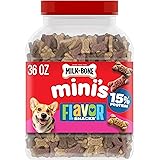
Milk-Bone Flavor Snacks Mini’s Dog Treats, 36 Oz. | 5 calories per treat, 15% protein, 3 flavors per canister (beef, chicken & bacon, naturally & artificially flavored)
$11.48 (as of October 18, 2026 03:12 GMT +00:00 - More infoProduct prices and availability are accurate as of the date/time indicated and are subject to change. Any price and availability information displayed on [relevant Amazon Site(s), as applicable] at the time of purchase will apply to the purchase of this product.)
Apple AirPods 5 Wireless Earbuds with Active Noise Cancellation | Bluetooth Headphones, Personalized Spatial Audio, Live Translation, USB-C Charging Case, H2 Chip
$129.00 (as of October 18, 2026 03:22 GMT +00:00 - More infoProduct prices and availability are accurate as of the date/time indicated and are subject to change. Any price and availability information displayed on [relevant Amazon Site(s), as applicable] at the time of purchase will apply to the purchase of this product.)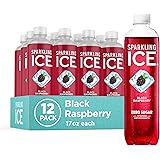
Sparkling Ice, Black Raspberry Sparkling Water, Zero Sugar Flavored Water, with Vitamins and Antioxidants, Low Calorie Beverage, 17 fl oz Bottles (Pack of 12)
$12.47 (as of October 18, 2026 03:10 GMT +00:00 - More infoProduct prices and availability are accurate as of the date/time indicated and are subject to change. Any price and availability information displayed on [relevant Amazon Site(s), as applicable] at the time of purchase will apply to the purchase of this product.)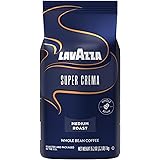
Lavazza Super Crema Whole Bean Coffee, Medium Espresso Roast, Arabica and Robusta Blend, 2.2 lb Bag, Package May Vary (Pack of 1)
$26.99 (as of October 18, 2026 03:10 GMT +00:00 - More infoProduct prices and availability are accurate as of the date/time indicated and are subject to change. Any price and availability information displayed on [relevant Amazon Site(s), as applicable] at the time of purchase will apply to the purchase of this product.)












Post Comment