
Germany’s Banking Titans Unlock Crypto for 80 Million Users – The Silent Revolution That Could Change Wealth Forever
Germany’s banking giants—Sparkassen and Volksbanken Raiffeisenbanken—are shaking up the game by weaving cryptocurrency trading straight into their apps. Imagine millions of everyday folks buying and selling Bitcoin or Ethereum without ever leaving their trusted banking platforms. Just a few years ago, these heavyweights dismissed crypto as too risky, but now? They’re not just dipping toes—they’re building their own regulated crypto playground, cutting out the middlemen. With around 80 million clients across the country, this isn’t just a shift; it’s a seismic move that could redefine Europe’s crypto landscape. But, hey, is this a golden ticket for crypto adoption or a potential Pandora’s box for newbie investors? Buckle up, because this story isn’t just about tech—it’s about trust, risk, and the future of money itself. LEARN MORE
Germany’s two largest banking networks are undergoing a major shift by integrating cryptocurrency trading directly into their banking apps. This includes Sparkassen savings banks and the cooperative Volksbanken Raiffeisenbanken.
Through this initiative, the banking network will enable millions of regular retail customers to purchase and sell digital assets without the need for third-party cryptocurrency exchanges.
Good news for Germany’s crypto ecosystem?
These organizations collectively cater to about 80 million clients across Germany, making it one of Europe’s largest integrations of crypto into traditional banking.
For its part, this shift is noteworthy because, only four years ago, both banking groups had written off cryptocurrencies as being too risky. Now, they are creating their own regulated cryptocurrency infrastructure rather than collaborating with outside exchanges.
However, through DZ Bank, the cooperative banks have already introduced the meinKrypto platform. For those unaware, “meinKrypto” is a platform that allows local Volksbanken and Raiffeisenbanken to deliver Bitcoin [BTC] and Ethereum [ETH] directly to millions of retail savers.
Approved by BaFin, Germany’s financial regulator, in December 2025, the platform runs under the European Union’s Markets in Crypto-Assets (MiCA) framework. Following the approval announcement on the 14th of January, ‘meinKrypto’ officially went live.
At the same time, Boerse Stuttgart Digital offers crypto custody, guaranteeing that asset storage and trading continue to be governed by German regulations. Meanwhile, DekaBank is getting ready to launch a comparable service for the nation’s savings banks.
Challenges remain!
Needless to say, the initiative has drawn criticism. This is because only a few percent of Germans who own cryptocurrency trust their main banks far more than independent cryptocurrency platforms.
According to Co-Pierre Georg, professor at the Frankfurt School of Finance & Management, novice clients may underestimate the high volatility and potential for total losses linked to cryptocurrencies due to the legitimacy of well-known banks.
Georg added,
It is concerning that the floodgates to the cryptocurrency market are now being opened by savings and cooperative banks.
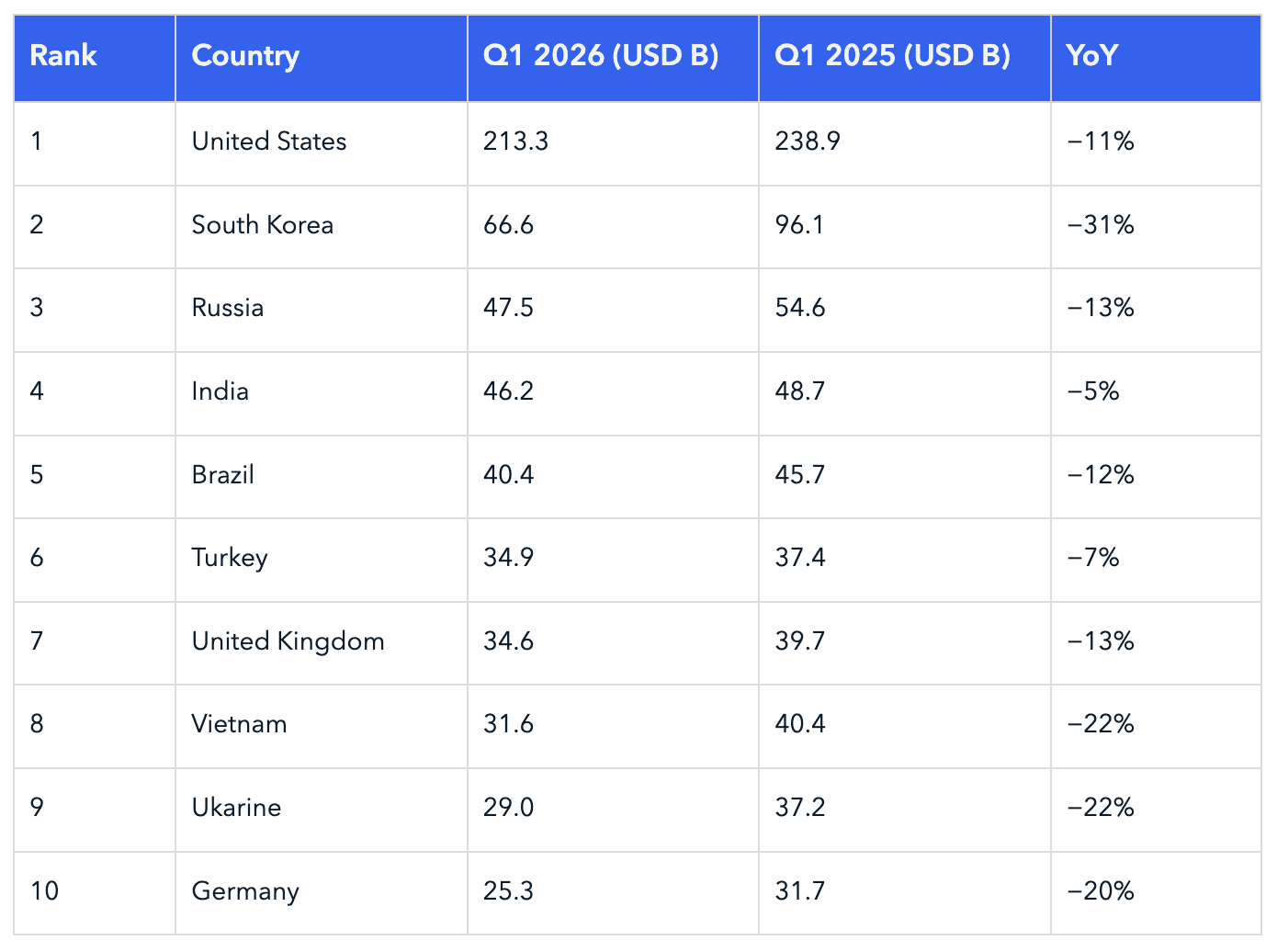
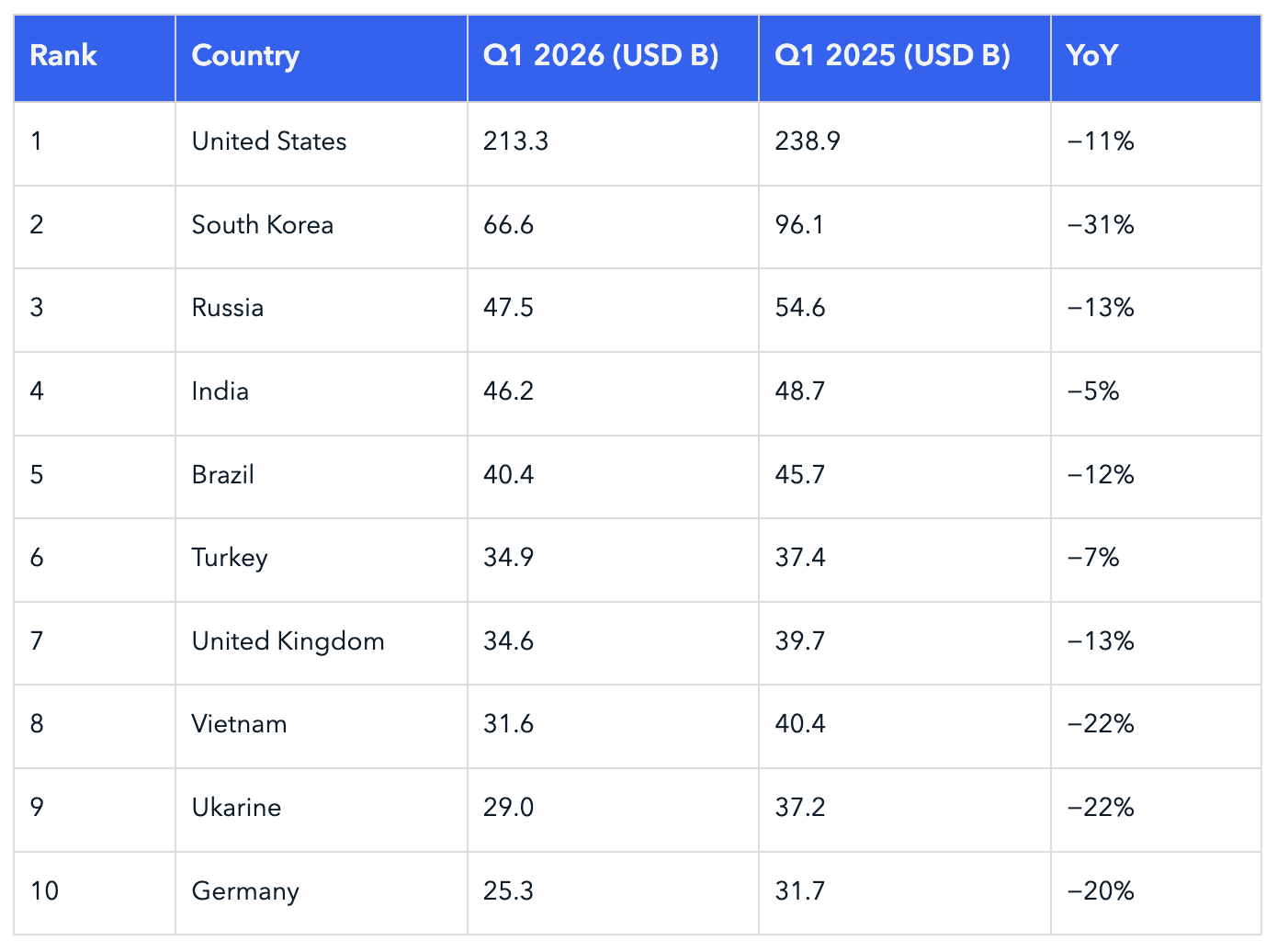
Yet despite this, Germany remains one of the top ten countries in terms of retail volume in Q1 2026. The year-over-year comparison shows a 20% decline from Q1 2025, when it was $31.7 billion, to Q1 2026, when it was $25.3 billion.
Final Summary
- Germany’s two biggest banking networks are integrating cryptocurrency trading directly into their banking apps.
- Roughly 25% of Germans who currently own cryptocurrency trust their main banks more than independent cryptocurrency platforms.

Ljusmicker for AirPods Pro 3 Case 2025 with Cleaner Kit,Black | Soft Silicone Protective Cover for Apple AirPod Pro 3rd Generation Case with Keychain for Women Men,Shockproof
$5.99 (as of October 19, 2026 03:22 GMT +00:00 - More infoProduct prices and availability are accurate as of the date/time indicated and are subject to change. Any price and availability information displayed on [relevant Amazon Site(s), as applicable] at the time of purchase will apply to the purchase of this product.)
Benebone Tongue Twister & Bacon Treat Pod Refill 2 Pack, 9 Count | Bacon Flavor, Treat Pod Refills, 9 Count, Puzzle Toy Enrichment, No Prep or Mess, Keeps Dogs Busy
$19.95 (as of October 19, 2026 03:22 GMT +00:00 - More infoProduct prices and availability are accurate as of the date/time indicated and are subject to change. Any price and availability information displayed on [relevant Amazon Site(s), as applicable] at the time of purchase will apply to the purchase of this product.)
Apple Watch Series 12 GPS 42mm Smartwatch | Light Gold Aluminum Case, Sand Sport Band - S/M. Health + Fitness + Sleep Tracking, Heart Rate, Safety
$389.99 (as of October 19, 2026 03:33 GMT +00:00 - More infoProduct prices and availability are accurate as of the date/time indicated and are subject to change. Any price and availability information displayed on [relevant Amazon Site(s), as applicable] at the time of purchase will apply to the purchase of this product.)
PETHIS No Brushing Dog & Cat Teeth Cleaning Spray - Dog Breath Freshener & Plaque Remover, Pet Oral Care Spray for Dogs and Cats Tartar Control & Healthy Gums 3.38 fl oz / 100ml
$26.99 (as of October 19, 2026 03:22 GMT +00:00 - More infoProduct prices and availability are accurate as of the date/time indicated and are subject to change. Any price and availability information displayed on [relevant Amazon Site(s), as applicable] at the time of purchase will apply to the purchase of this product.)













Post Comment