
Google’s Cosmic Bet: Why Their First AI Data Center in Space Could Revolutionize Tech—and Your Portfolio Starting Next Week!
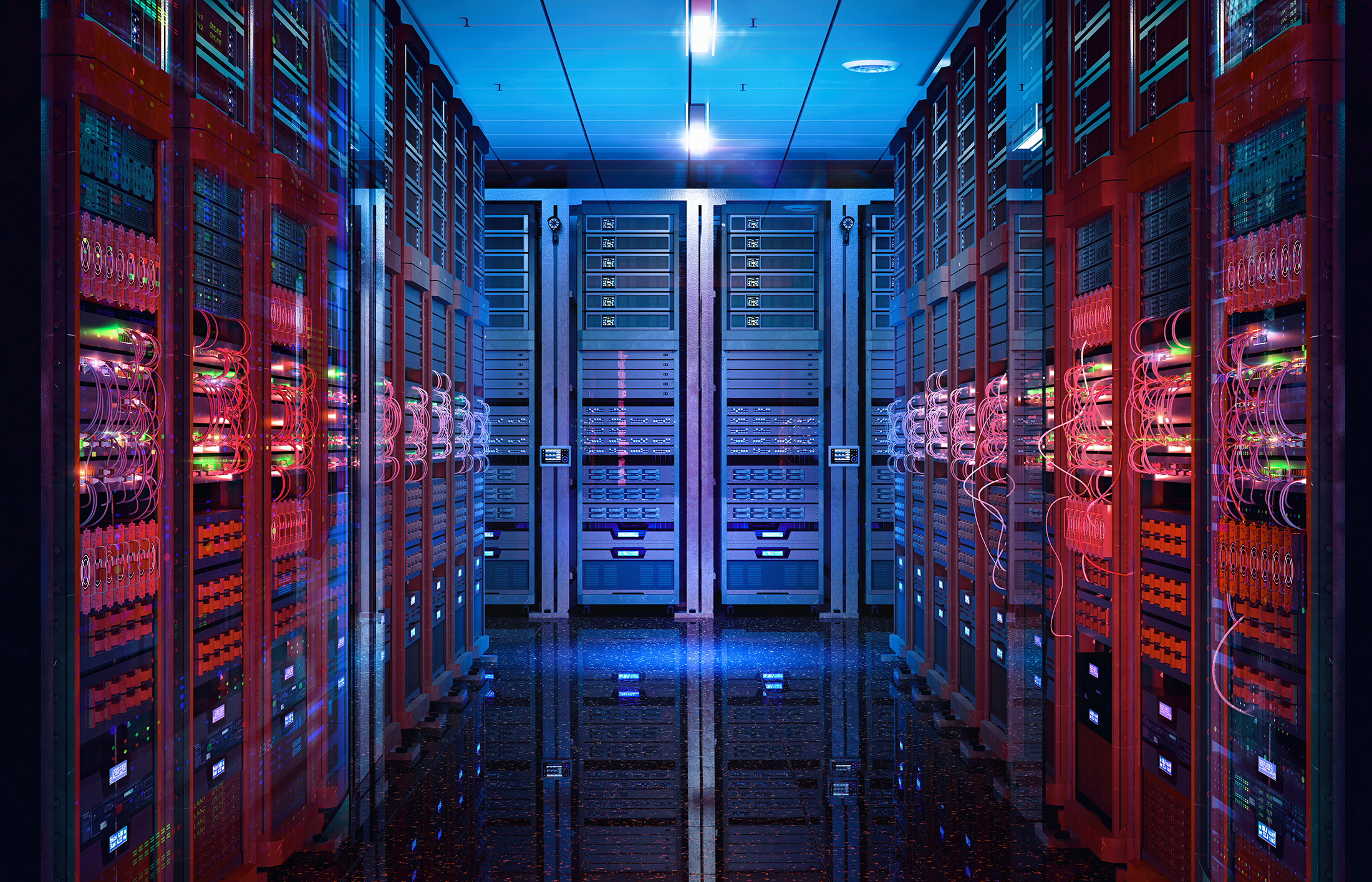
Ever wonder where AI data centers might hide when no neighborhood stands for yet another hulking server farm? Well, Google’s not just thinking outside the box—they’re thinking outside the atmosphere. After all, if Earthbound communities can’t seem to handle the hum of AI servers (just ask Kevin O’Leary about his Utah venture), why not rocket those bad boys into orbit? Imagine solar panels soaking up eight times the energy up in low Earth orbit, far from any NIMBYs with signs in hand. Next week, Google’s launching a prototype satellite equipped with their very own Tensor Processing Units—the brainy chips powering their AI dreams—to test the wild idea of running AI data centers in space. Sure, it’s gonna be a bumpy ride with cosmic radiation and zero airflow cooling to contend with, but hey, if anyone can crack this, it’s Google. Fasten your seatbelts; the future of AI infrastructure might just be sky-high… literally. LEARN MORE
Listen to this post
AI data centers aren’t exactly popular down here on Earth. Ask Kevin O’Leary, who had to shrink his Utah project after fierce local pushback. A UMass Amherst poll this month found only 1 in 9 Americans support one going up in their community.
So, Google is scouting a spot no NIMBY (Not In My Backyard) can reach. The company will launch a prototype satellite into space next week carrying its Tensor Processing Units, the custom chips behind its AI services, according to Reuters. It’s the first in-orbit test of Project Suncatcher, a research effort exploring whether massive AI computing clusters could one day run on satellites.
But the real appeal of outer space is power. Solar panels in low Earth orbit can collect up to eight times more energy than panels on the ground, according to Google. SpaceX and Starcloud are chasing the same idea.
The satellite, launching in partnership with Planet Labs, will hitch a ride on SpaceX’s Transporter-18 rideshare launch. Google wants to see how the chips survive launch forces, extreme temperatures and radiation, which can cause bit flips (data errors inside the hardware). It will also test a cooling system of heat pipes and radiators, since airflow cooling doesn’t work in a vacuum.
Don’t expect an orbital data center to spring up overnight. Experts say they remain years from commercial viability. In the meantime, Google plans two more satellites in 2027 to test laser links between future computing clusters.
AI data centers aren’t exactly popular down here on Earth. Ask Kevin O’Leary, who had to shrink his Utah project after fierce local pushback. A UMass Amherst poll this month found only 1 in 9 Americans support one going up in their community.
So, Google is scouting a spot no NIMBY (Not In My Backyard) can reach. The company will launch a prototype satellite into space next week carrying its Tensor Processing Units, the custom chips behind its AI services, according to Reuters. It’s the first in-orbit test of Project Suncatcher, a research effort exploring whether massive AI computing clusters could one day run on satellites.
But the real appeal of outer space is power. Solar panels in low Earth orbit can collect up to eight times more energy than panels on the ground, according to Google. SpaceX and Starcloud are chasing the same idea.
The satellite, launching in partnership with Planet Labs, will hitch a ride on SpaceX’s Transporter-18 rideshare launch. Google wants to see how the chips survive launch forces, extreme temperatures and radiation, which can cause bit flips (data errors inside the hardware). It will also test a cooling system of heat pipes and radiators, since airflow cooling doesn’t work in a vacuum.
Don’t expect an orbital data center to spring up overnight. Experts say they remain years from commercial viability. In the meantime, Google plans two more satellites in 2027 to test laser links between future computing clusters.

PUR Gum, Spearmint, Xylitol Gum, No Artificial Flavor, 55 Count | No Artificial Sweeteners, Vegan, Sugar Free, Gluten Free, Soy Free, Nut & Peanut Free, Swiss Made, Keto Friendly chewing gum
$3.98 (as of October 19, 2026 03:10 GMT +00:00 - More infoProduct prices and availability are accurate as of the date/time indicated and are subject to change. Any price and availability information displayed on [relevant Amazon Site(s), as applicable] at the time of purchase will apply to the purchase of this product.)
Monster Energy Zero Ultra, Sugar Free Energy Drink, 16 Ounce | Pack of 15
$26.98 (as of October 19, 2026 03:10 GMT +00:00 - More infoProduct prices and availability are accurate as of the date/time indicated and are subject to change. Any price and availability information displayed on [relevant Amazon Site(s), as applicable] at the time of purchase will apply to the purchase of this product.)
Banana Bunch (4-5 Count)
(as of October 19, 2026 03:10 GMT +00:00 - More infoProduct prices and availability are accurate as of the date/time indicated and are subject to change. Any price and availability information displayed on [relevant Amazon Site(s), as applicable] at the time of purchase will apply to the purchase of this product.)
Amazon Kindle Paperwhite Signature Edition 32GB (newest model), Thinner, new aluminum design, 7" display, Auto-adjusting front light, Seaglass Green
$249.99 (as of October 19, 2026 03:33 GMT +00:00 - More infoProduct prices and availability are accurate as of the date/time indicated and are subject to change. Any price and availability information displayed on [relevant Amazon Site(s), as applicable] at the time of purchase will apply to the purchase of this product.)













Post Comment