
How Andres Isaias Is Revolutionizing Skin and Hair Care with Cutting-Edge Exosome Research—And Why Investors Should Pay Attention Now
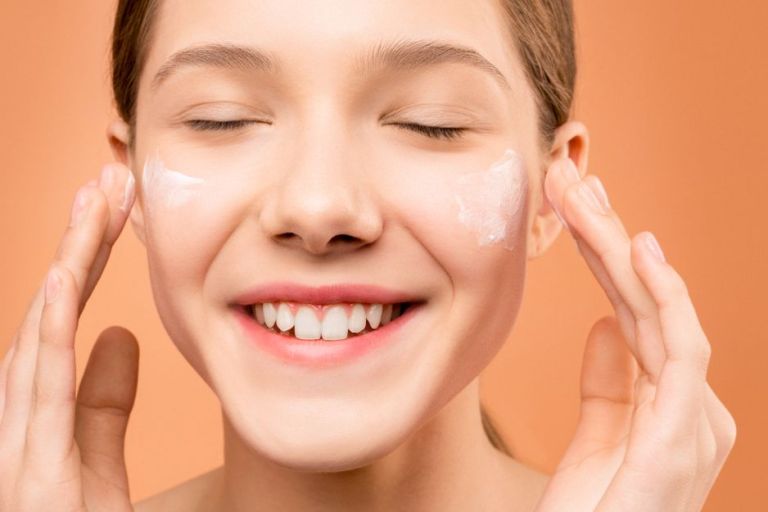
Ever wondered if the secret to luscious locks and radiant skin might just be hiding inside tiny, invisible bubbles called exosomes? Sounds like science fiction, right? But here’s the kicker—these microscopic messengers are stirring up some serious buzz in the skin and hair care game. I mean, we’ve all seen fancy serums and scalp treatments promising miracles, but how many actually tap into biological signals that cells use to communicate? Andres Isaias, a savvy business leader with deep roots in cell therapeutics, dives headfirst into this emerging frontier, bridging hardcore science with the booming beauty biz. Trust me, if you think all skincare and haircare products are created equal, this story might just shake your perspective—and maybe your routine too. Ready to unpack what’s real, what’s hype, and where this tech could take us? Let’s get into the nitty-gritty. LEARN MORE

Key Takeaways
- Andres Isaias brings experience in cell therapeutics and business leadership to discussions about emerging exosome applications in skin and hair care.
- Exosomes are extracellular vesicles that researchers study for their ability to carry biological signals between cells.
- Early research has explored potential applications involving skin texture, pigmentation, hydration, hair follicles, and scalp care, but evidence remains limited.
- Differences in cell sources, isolation methods, storage, and formulations make transparent characterization essential when evaluating exosome-related products.
- Further standardized research could help determine where exosome-based preparations add meaningful value to cosmetic and dermatologic approaches.
Andres Isaias is a Miami-based business leader whose work in cell therapeutics provides relevant context for examining emerging research on exosomes in skin and hair care. Since 2018, he has served as chief executive officer of Restem Group, Inc., overseeing operations, organizational performance, strategic planning, external partnerships, fundraising, and brand communications.
His responsibilities also include representing the company at industry conferences and communicating with stakeholders about its efforts to develop safe, potentially best-in-class cell therapeutic products for patients with significant medical needs. Through this leadership role, Isaias has developed experience communicating about cell-based innovation while balancing scientific opportunity with operational and financial stewardship. He studied business and engineering at Tulane University and has additional experience in real estate, energy, and natural gas.

Interest in exosomes has grown as skin care and hair care companies look for biologically informed ways to support appearance-focused products. Exosomes are small extracellular vesicles released by cells, and researchers study them because they can carry lipids, proteins, and genetic material between cells. In biocosmetic work, the main question is how those signals might be used responsibly in products aimed at skin quality or scalp care.
That question remains separate from ordinary cosmetic branding. A cream, serum, or scalp preparation may highlight exosome-related ingredients, but the scientific value depends on what the preparation contains and how it was made. Exosomes can vary by cell source, collection method, isolation process, storage conditions, and final formulation. As a result, two products using similar language may not be biologically comparable.
Skin research has focused on several appearance-related processes. Laboratory and early clinical studies have examined how extracellular vesicles may influence fibroblast behavior, collagen-related pathways, inflammation, pigmentation, and hydration. These areas are relevant to visible skin texture and tone, but the evidence is still developing. Many studies involve small groups, short follow-up periods, or combination procedures, which can make it difficult to isolate the contribution of the exosome preparation.
Hair care research has a related, but distinct focus. Hair follicles move through cycles, and studies have examined whether extracellular vesicles can affect dermal papilla cells, follicle signaling, and the shift into active growth phases. Early reports involving scalp applications or procedural combinations have described possible changes in density or shaft diameter. Those findings are interesting, but protocols differ enough that broad conclusions remain limited.
Because of that variation, characterization has become a central scientific requirement. The International Society for Extracellular Vesicles has emphasized standards for describing extracellular vesicle sources, separation methods, and measurements. Those standards matter for biocosmetic development because a product label alone cannot show particle identity, purity, or activity. Transparent characterization helps researchers compare results and helps developers avoid overstating what a preparation can do.
The field is still in the early product-development stage. Exosome-related preparations may become useful in skin and hair care if researchers can define sources, improve reproducibility, measure stability, and compare outcomes in well-designed studies. The same evidence should also clarify where these products add value and where existing cosmetic or dermatologic approaches remain better understood.
Well-planned exosome studies can also identify which formulation choices deserve further refinement, from storage conditions to application schedules. By connecting laboratory characterization with participant observations and standardized measurements, researchers can help cosmetic developers make informed decisions, communicate results responsibly, and explore new ways to support visible skin and hair appearance.
Exosomes offer a promising bridge between cell biology and cosmetic formulation. Their appeal lies in the opportunity to explore cell-derived signaling through carefully defined topical and procedure-adjacent formats. Continued work on specific preparations, appearance-related outcomes, and longer follow-up can help the field build on that promise. Careful standards and well-supported claims can help translate this scientific momentum into more refined products, stronger evidence, and continued progress in biocosmetic innovation.

FAQs
What are exosomes?
Exosomes are small extracellular vesicles released by cells that can carry substances such as proteins, lipids, and genetic material. Researchers are studying how these biological signals may have applications in areas including skin and hair care.
How are exosomes being studied for skin care?
Research has examined whether extracellular vesicles may influence processes associated with fibroblast behavior, collagen-related pathways, inflammation, pigmentation, and hydration. However, many studies are early-stage or involve limited participants and follow-up periods.
Can exosomes help with hair and scalp care?
Early research has investigated whether extracellular vesicles can influence dermal papilla cells, follicle signaling, and active hair growth phases. Some reports describe changes in measures such as hair density or shaft diameter, but differences between study protocols limit broad conclusions.
Why is characterization important for exosome products?
Exosome preparations can differ according to their cell source, collection and isolation methods, storage conditions, and formulation. Characterization helps researchers assess factors such as particle identity, purity, and activity rather than relying solely on product labeling.
What is the future of exosomes in skin and hair care?
Exosome-related products may have potential if researchers can improve reproducibility, establish well-defined sources, and demonstrate consistent outcomes through well-designed studies. Longer follow-up and standardized measurements could also help clarify where these preparations offer advantages over better-established approaches.
About Andres Isaias
Andres Isaias is the chief executive officer of Restem Group, Inc., in Miami, Florida, where he has overseen company operations since 2018. His responsibilities include strategic planning, operational efficiency, external partnerships, fundraising, stakeholder communications, and brand representation at industry conferences. He leads the company’s life science operations as it works to develop safe cell therapeutics for diseases with high unmet medical needs. Isaias studied business and engineering at Tulane University and has experience in real estate, energy, and natural gas.

(2 Pack) Replacement Remote Control for Roku TV, for TCL Roku/Onn Roku TVs | for Hisense Roku/Sharp Roku/Element Roku/Westinghouse Roku/Philips Roku Smart TV (Not for Stick & Box) Ready Out of the Box
$8.98 (as of October 24, 2026 03:23 GMT +00:00 - More infoProduct prices and availability are accurate as of the date/time indicated and are subject to change. Any price and availability information displayed on [relevant Amazon Site(s), as applicable] at the time of purchase will apply to the purchase of this product.)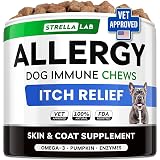
STRELLALAB Dog Allergy & Itching Relief - Skin&Coat Support Chews w/Omega 3 | Anti Itch, Immune Supplements - Treats for Dogs Health w/Fish Oil for Irritated & Dry Skin - Proven by Science, 60 Ct
$11.98 (as of October 24, 2026 03:23 GMT +00:00 - More infoProduct prices and availability are accurate as of the date/time indicated and are subject to change. Any price and availability information displayed on [relevant Amazon Site(s), as applicable] at the time of purchase will apply to the purchase of this product.)
Blue Buffalo Health Bars Pumpkin & Cinnamon Dog Biscuits, 16 oz | Oven-Baked, Crunchy Texture, No Chicken By-Product, Corn, Wheat, or Soy
$4.98 (as of October 24, 2026 03:13 GMT +00:00 - More infoProduct prices and availability are accurate as of the date/time indicated and are subject to change. Any price and availability information displayed on [relevant Amazon Site(s), as applicable] at the time of purchase will apply to the purchase of this product.)
blink plus plan with monthly auto-renewal
$11.99 (as of October 24, 2026 03:23 GMT +00:00 - More infoProduct prices and availability are accurate as of the date/time indicated and are subject to change. Any price and availability information displayed on [relevant Amazon Site(s), as applicable] at the time of purchase will apply to the purchase of this product.)













Post Comment