
How Dolly Parton’s Unexpected Bet Transformed Sylvester Stallone from Rocky to Wild West Legend—The Untold Story You Won’t Believe
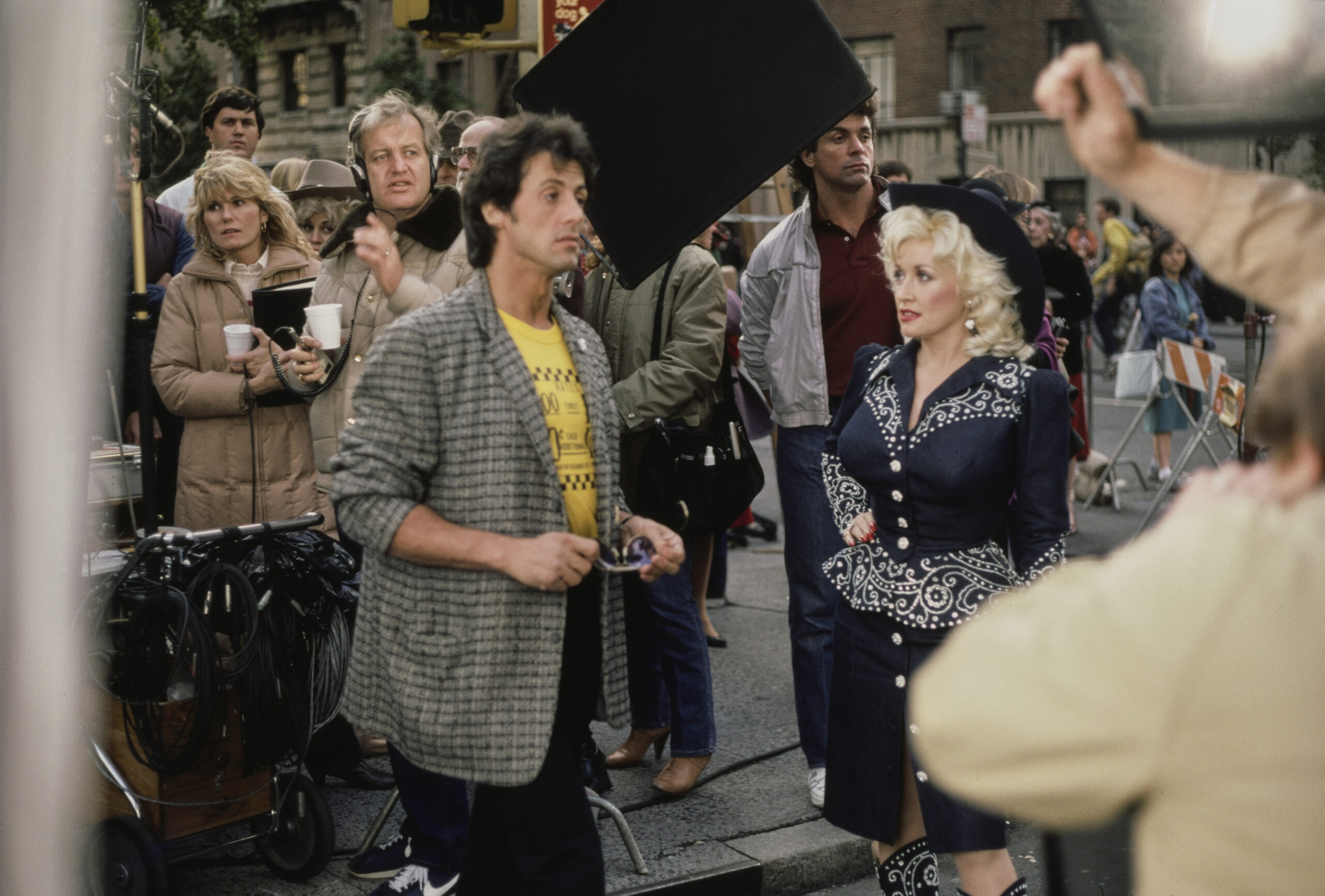
Imagine Sylvester Stallone—the ultimate tough guy known for boxing gloves and survival grit—suddenly donning cowboy boots and trading punches for country tunes alongside the one-and-only Dolly Parton, the queen of crossover charm and heartfelt melodies. Sounds like a Hollywood experiment bound for either magic or mayhem, right? Well, back in the summer of 1984, that’s exactly what happened in the flick Rhinestone, where Stallone stepped way out of his comfort zone as a wisecracking cabbie turned country singer under Parton’s savvy mentorship. But did this oddball pairing hit a high note or just miss the beat? Let’s dig into the story behind this peculiar clash of icons—a tale full of Hollywood risks, unexpected laughs, and a whole lot of “what were they thinking?” moments that you somehow can’t look away from. LEARN MORE
In the summer of 1984, Hollywood offered audiences one of the unlikeliest star pairings of the time: Sylvester Stallone and Dolly Parton. On paper, it sounded so odd that just maybe it could work. After all, Stallone was huge thanks to the success of various Rocky Balboa and John Rambo films, which stood as the embodiment of blue-collar grit, toughness and brute force. And Parton, for her part, had become one of entertainment’s most beloved crossover stars, having proven she had little problem shifting between music, film and television with her trademark warmth, wit and unmistakable charm.
Rhinestone followed Parton’s Jake Farris, a country singer desperate to escape her nightclub contract at the Manhattan club Rhinestone. To do it, she makes a reckless bet with her boss (played by Rob Leibman): give her two weeks, and she can turn any man off the street into a country singer good enough to perform at the club. The man she chooses is Nick Martinelli, a wisecracking cab driver played by Stallone.
The joke, of course, was the inversion. Parton—one of country music’s biggest stars—would play mentor and ringmaster, while Stallone, then at the peak of his action-hero fame, would swap boxing gloves and combat fatigues for cowboy boots and country songs. But even he understood he was taking a major risk, though that may have been what appealed to him.
“I’ll never forget the first time I came in the door she was dressed all in black and had a meat cleaver,” he said at the time of working with Parton. “If you look around, there is so much absurdity, there’s so much fun, that we try to pull it out.”
A pre-release interview in The Daily Breeze captured his mindset well. He openly hoped audiences would understand the joke and embrace a lighter side of him that had rarely appeared onscreen—a failed experiment he’d tried in 1977 with Paradise Alley. But flash forward to 2006, and Stallone would reveal that the version of Rhinestone he originally envisioned was somewhat different from the one audiences ultimately saw.
“I must tell everyone right now that originally the director was supposed to be Mike Nichols,” he recalled. “That was the intention and it was supposed to be shot in New York, down and dirty with Dolly and I with gutsy mannerisms performed like two antagonists brought together by fate.”
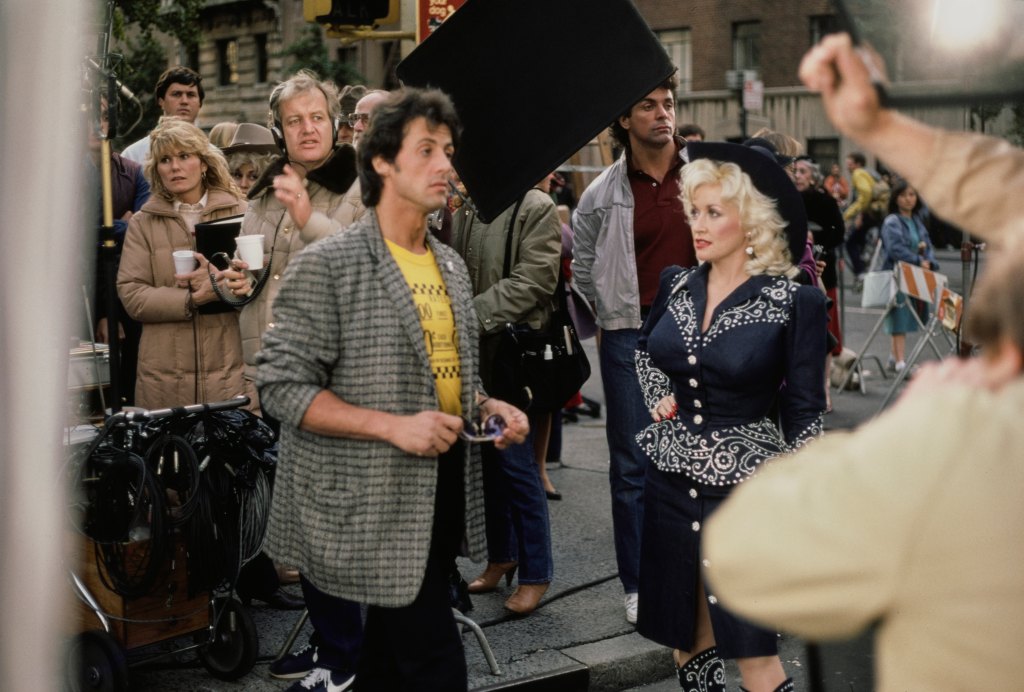
That version sounds notably sharper and more grounded than the film that reached theaters. Less broad comedy, more grit and culture clash. It also sounds much closer to the kind of material Stallone later admitted would have suited him better.
“I certainly would’ve steered clear of comedy unless it was dark—Belgian chocolate dark,” he said. “Silly comedy didn’t work for me. Would anybody pay to see John Wayne in a whimsical farce? Not likely. I would stay more true to who I am and what the audience would prefer rather than trying to stretch out and waste a lot of time and people’s patience.”
Dolly’s comfort zone
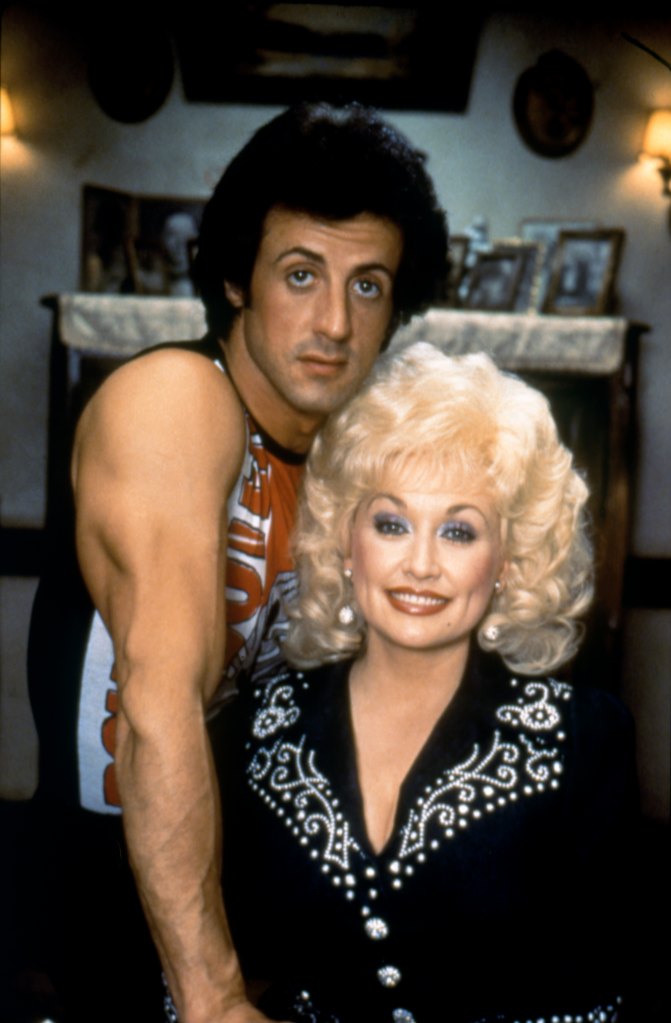
By 1984, Parton had already proven herself as more than a country superstar. Hits like 9 to 5 and The Best Little Whorehouse in Texas had established her as a legitimate film presence, and Rhinestone offered something especially appealing because it allowed her to combine both worlds. “I think Rhinestone was the best, because I got to write the songs, I got to supervise the music, I got to work with my people,” she said in The Flint Journal. “And when I met Sylvester Stallone, I loved him instantly. We just struck up a wonderful lasting friendship. I loved his energy and his personality. He was very protective of me.”
Like many people, Parton wasn’t entirely sure what to expect from Stallone in a comedy. “I wondered myself, because of the role he played, if he would be funny, if he really could do humor,” she said. “And he had me laughing; I couldn’t even do my scenes. They just left my laughing in, because I was laughing in places where I wasn’t supposed to.”
On set, Parton appears to have experienced the movie as playful, loose and collaborative—a warm, funny experiment built around an unlikely but surprisingly enjoyable partnership. But behind the scenes, not everyone was having the same experience. Director Bob Clark, coming off successes like Porky’s and A Christmas Story, appeared to be trying to steer the film toward something coherent, but by release, it was clear the movie had changed significantly during production.
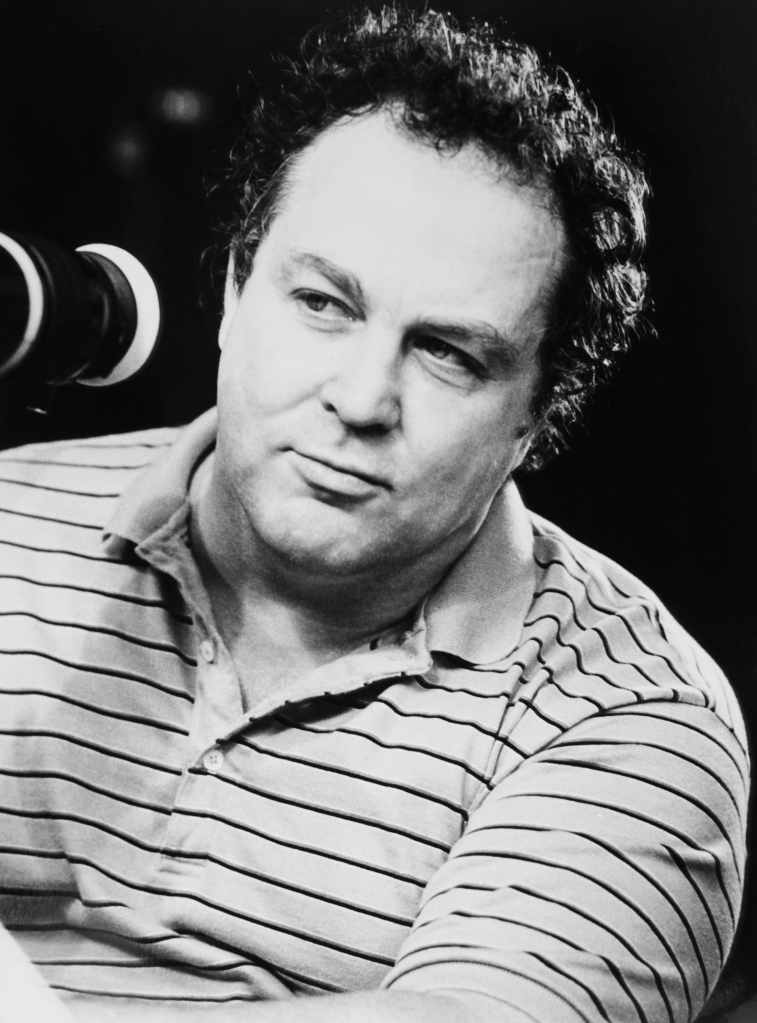
“I flew down to Nashville and had a talk with Sly,” Clark said of Stallone. “He assured me that he didn’t want to interfere with the direction, that he wanted to be directed. Sly said he realized this was a comedy, not a Rocky, and that he wanted to be told how to do it. He had been put in the position of helping with the direction and he didn’t want to. So I read the script and thought to myself, ‘Here’s something I can do, a challenge I can meet.’ My ego prompted me to take on the assignment. Only later did I realize how absurd it was for me to try such a thing.”
Field of Dreams screenwriter Phil Alden Robinson was far more direct about his experience. He believed the movie audiences saw was dramatically different from the one he originally wrote. According to the Houston Chronicle, Robinson described his screenplay as having “subtle humor, intelligence, less broad comedy, caricature and farce.” He was blunt about what happened, calling the production “a textbook example of a studio willingly sacrificing the quality of a script for what was perceived as the marketability of star casting.”
He eventually decided to speak publicly. “I thought a long time before speaking out,” he said. “Of course the conventional wisdom is that you don’t open your mouth, but I was having a hard time living with that. I would rather take the heat for saying what I believe and for telling the truth.”
The world meets ‘Rhinestone’
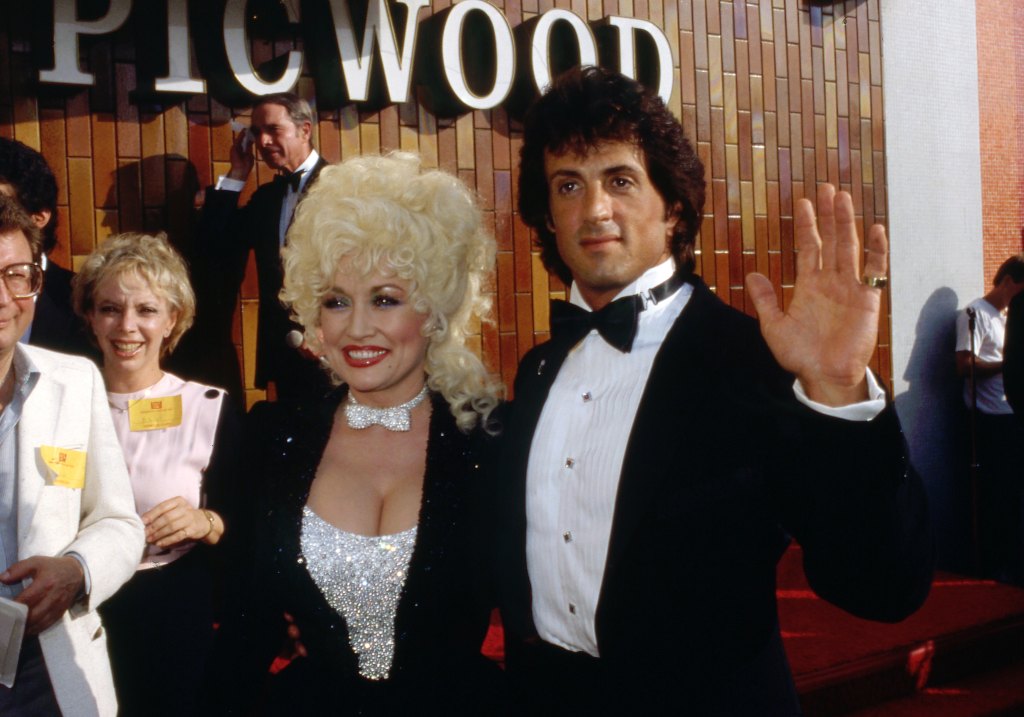
When Rhinestone finally opened in June 1984, the response was mixed at best and brutal at worst. Some critics found it mildly entertaining, with The Oregonian describing it as a “not perfect disaster” and noting that occasional amusing moments kept the film from total collapse. But most reviews circled the same core problem: Rhinestone never seemed entirely sure what kind of movie it wanted to be.
The critics were decidedly kinder to Parton than Stallone, with review after review praising Parton’s warmth, charm and natural ease in the material, while he absorbed most of the criticism. Many reviewers simply couldn’t accept him as Nick Martinelli. Stallone had committed fully to the performance, but the role required audiences to embrace a version of the actor about as far removed from Rocky or Rambo as you could get. And the box office reflected that disconnect. Despite the star power of its leads, Rhinestone opened weakly and quickly became a commercial disappointment as well as one of the more curious misfires of the 1980s.
When Rocky met Dolly, the result was strange, messy and often baffling. But it was never boring.

Banana Bunch (4-5 Count)
(as of October 19, 2026 03:10 GMT +00:00 - More infoProduct prices and availability are accurate as of the date/time indicated and are subject to change. Any price and availability information displayed on [relevant Amazon Site(s), as applicable] at the time of purchase will apply to the purchase of this product.)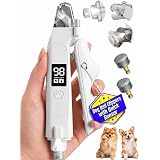
Dog Nail Clippers with Light, Dog Cat 2-in-1 Nail Clipper & Grinder Trimmer | Pet Nail Trimmer for Large, Medium & Small Dogs & Cats, Dual LED Quick Sensor & Safety Guard Portable Home Pet Grooming Tool
$19.98 (as of October 19, 2026 03:22 GMT +00:00 - More infoProduct prices and availability are accurate as of the date/time indicated and are subject to change. Any price and availability information displayed on [relevant Amazon Site(s), as applicable] at the time of purchase will apply to the purchase of this product.)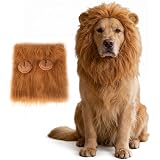
Dog Lion Mane Costume with Ears Realistic Wig Pet Costumes | Funny Lion Mane Wig for Medium & Large Breeds, Halloween Cosplay Birthday Christmas Party Apparel
$13.98 (as of October 19, 2026 03:22 GMT +00:00 - More infoProduct prices and availability are accurate as of the date/time indicated and are subject to change. Any price and availability information displayed on [relevant Amazon Site(s), as applicable] at the time of purchase will apply to the purchase of this product.)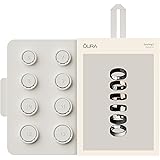
OURA Ring 5 Sizing Kit - Size Before You Buy | Unique Sizing, Not Standard Ring Sizing - Receive Amazon Credit for Oura Ring 5 Purchase
$10.00 (as of October 19, 2026 03:22 GMT +00:00 - More infoProduct prices and availability are accurate as of the date/time indicated and are subject to change. Any price and availability information displayed on [relevant Amazon Site(s), as applicable] at the time of purchase will apply to the purchase of this product.)







Post Comment