
How Suir Engineering Is Quietly Powering Ireland’s Green Energy Revolution—and Why Investors Should Take Notice Now
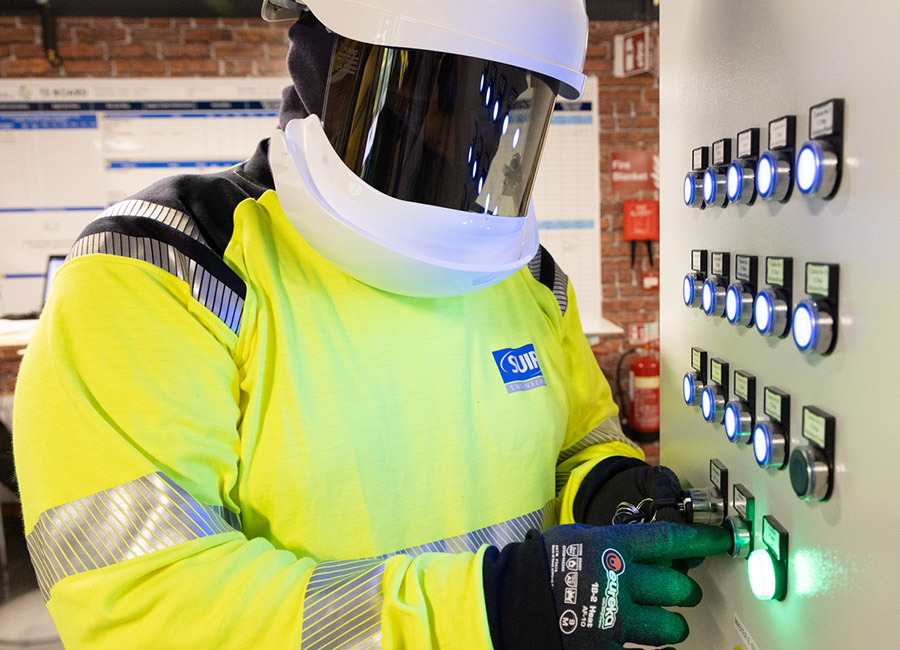
Ever wonder what it truly takes to power a nation’s leap into renewable energy? John Hartley, Suir Engineering’s EP&R Regional Director for Ireland, doesn’t just talk the talk—he’s steering the ship with a portfolio where a whopping 60% is laser-focused on renewable projects like wind, solar, and battery energy storage systems. But here’s the kicker: it’s not all sunshine and turbines. Supporting the grid’s stability with smart tech like Synchronous Condensers and working shoulder-to-shoulder with ESB on pivotal infrastructure like the Poolbeg 220kV Substation reveals the nuanced dance behind Ireland’s green energy surge. Plus, juggling the variable nature of renewables means innovative flexible gas-fired power stations come into play to keep the lights steady when demand spikes. It’s a bold commitment, peppered with challenges like the urgent need for skilled talent—which led to the slick new Apprentice Centre of Excellence in Dublin, training the next generation to keep this green revolution humming. Intrigued? Dive into John’s candid take on how Suir Engineering is not just dreaming but actively building Ireland’s clean energy future. LEARN MORE
John Hartley, Suir Engineering EP&R Regional Director for Ireland, talks about the company’s commitment to renewables
What percentage of your current project portfolio is dedicated to renewable energy?
Around 60 per cent of Suir Engineering’s current Energy, Power & Renewables portfolio is directly dedicated to renewable energy generation projects, including wind, solar and battery energy storage systems (BESS).
Much of the remaining portfolio supports the wider energy transition through grid stability and infrastructure projects, including Synchronous Condensers (SynCons), which provide inertia and voltage support to help stabilise the electricity grid and improve power quality.
We also work closely with ESB on major grid infrastructure upgrades through several framework agreements, including projects such as the new Poolbeg 220kV Substation.
We are also currently in the process of completing our first Open Cycle Gas Turbine (OCGT) Project, which is a 275MW flexible gas-fired power station developed to strengthen Ireland’s electricity system.
As renewable output can be variable, projects such as these are required for fast response to balance the grid in high demand periods.
All our current projects are strengthening Ireland’s electricity network and enabling the integration of increasing levels of renewable energy generation.
What is the biggest obstacle you face when delivering utility-scale renewable projects?
One of the biggest challenges is securing and developing sufficient skilled resources to keep pace with the rapid growth of the renewable energy sector.
Demand for experienced engineering, commissioning and construction personnel continues to increase as renewable deployment accelerates across Ireland and internationally.
To address this challenge, Suir Engineering established its state-of-the-art Apprentice Centre of Excellence at our Citywest headquarters in Dublin in 2024.
With the capacity to train up to 300 apprentices annually, the centre plays a key role in developing the next generation of skilled professionals and supporting the successful delivery of utility-scale renewable energy projects.
Which emerging energy technology do you expect to drive the most revenue growth over the next three years?
Grid stability technologies are expected to drive significant growth over the next two to three years as electricity networks adapt to increasing levels of renewable generation.
In particular, Synchronous Condensers (SynCons) and Static Synchronous Compensators (StatComs) will play an increasingly important role in maintaining grid reliability and resilience.
Battery Energy Storage Systems (BESS) will also be a major growth area, helping to balance supply and demand, improve network flexibility and support the continued expansion of renewable energy.
With extensive experience in delivering these technologies, Suir Engineering is well positioned to support clients as demand for these projects continues to grow.
How has client demand for decarbonisation and sustainable engineering solutions changed over the past 12 months?
We have seen a clear increase in demand for sustainable engineering solutions, driven by both regulatory requirements and ambitious decarbonisation targets across industry.
Clients are increasingly seeking technologies and infrastructure that reduce environmental impact while supporting long-term energy security.
For example, the industry is preparing for the phased reduction of SF6 gas insulated switchgear under new EU regulations, creating demand for lower carbon alternatives and innovative grid technologies that support a more sustainable energy future.

In which area does your business plan to make the largest capital investment to support renewable energy expansion?
Suir Engineering has made significant investments over the past three years to support continued growth within the renewable energy sector.
A key focus has been strengthening our engineering and design capabilities, including the establishment of our design office in Košice, Slovakia.
This strategic investment enhances our ability to support international projects and expand our in-house delivery model.
We have also continued to invest in our high-voltage cable jointing and commissioning capabilities, specialist equipment, workforce development initiatives and our Apprentice Centre of Excellence.
We have also strengthened our HV Equipment Installation delivery model with further investment to allow self-performing of this critical scope item.
These investments ensure we are well positioned to meet growing demand and support the continued expansion of renewable energy infrastructure across Ireland and beyond.

CELSIUS Assorted Flavors Official Variety Pack, Functional Essential Energy Drinks, 12 Fl Oz (Pack of 12)
$22.49 (as of October 22, 2026 03:12 GMT +00:00 - More infoProduct prices and availability are accurate as of the date/time indicated and are subject to change. Any price and availability information displayed on [relevant Amazon Site(s), as applicable] at the time of purchase will apply to the purchase of this product.)
blink plus plan with monthly auto-renewal
$11.99 (as of October 22, 2026 03:23 GMT +00:00 - More infoProduct prices and availability are accurate as of the date/time indicated and are subject to change. Any price and availability information displayed on [relevant Amazon Site(s), as applicable] at the time of purchase will apply to the purchase of this product.)
Ljusmicker for AirPods Pro 3 Case 2025 with Cleaner Kit,Black | Soft Silicone Protective Cover for Apple AirPod Pro 3rd Generation Case with Keychain for Women Men,Shockproof
$5.99 (as of October 22, 2026 03:23 GMT +00:00 - More infoProduct prices and availability are accurate as of the date/time indicated and are subject to change. Any price and availability information displayed on [relevant Amazon Site(s), as applicable] at the time of purchase will apply to the purchase of this product.)
Apple AirPods Pro 3 Wireless Earbuds with Active Noise Cancellation | Live Translation, Heart Rate Sensing, Hearing Aid Feature, Bluetooth Headphones, Spatial Audio, USB-C Charging
$199.00 (as of October 22, 2026 03:23 GMT +00:00 - More infoProduct prices and availability are accurate as of the date/time indicated and are subject to change. Any price and availability information displayed on [relevant Amazon Site(s), as applicable] at the time of purchase will apply to the purchase of this product.)












Post Comment