
How These 3 Surprising Changes Turned My Menopause Struggle Into Unstoppable Strength at 59
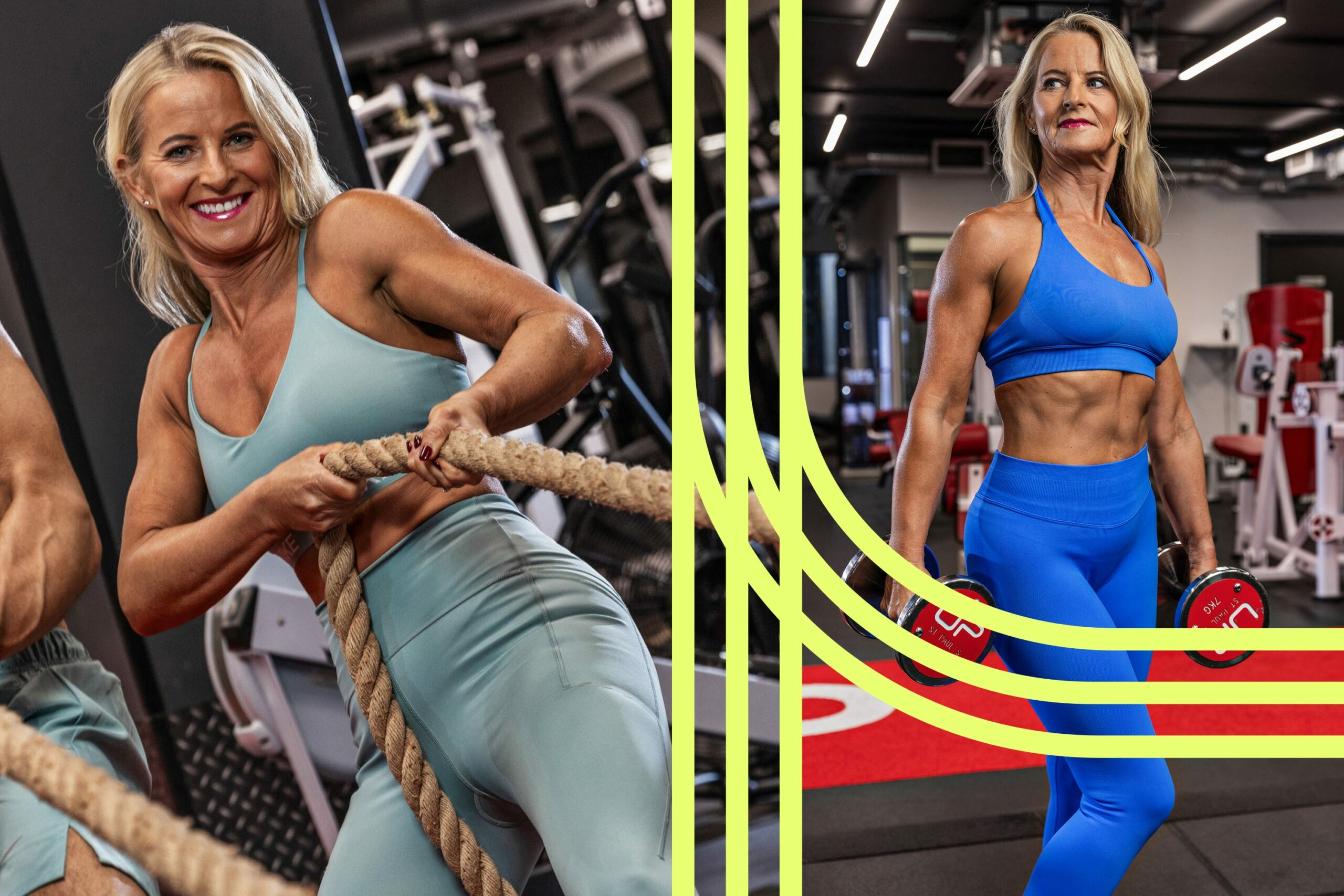
Ever been so hooked on cardio that you thought strength training was just a sideshow? Yep, I’ve been there — pounding the pavement through half-marathons, marathons, and triathlons, with a heart rate that skyrocketed only when I was truly “earning” my workout. But guess what? As I edged closer to 55, my perspective about strength training flipped completely. Battling endometriosis and navigating menopause, all while juggling a hectic schedule and stubborn weight gain, forced me to rethink what it really means to be fit and strong. It wasn’t just about endurance anymore — it was about building muscle, reclaiming energy, and transforming how my body performed. Let me tell you, the journey to embracing strength was anything but boring — and it’s changed everything for me. Ready to discover how strength training became my secret weapon well into my 50s? Dive in below. LEARN MORE
 5 min read
I’ve been active my whole life, but for most of it, my focus was entirely on cardio. Through my 30s until my late 40s, I ran multiple half-marathons and full marathons, and completed a triathlon. I used to think that if my heart rate wasn’t soaring during a workout, it didn’t count. I also assumed strength training wouldn’t benefit my endurance performance, so I never thought it was worth my time. But all of that changed as I was approaching 55.
For years, I’d been fighting a silent, exhausting battle with endometriosis, a chronic health condition where tissue that is similar to the inner lining of the uterus grows outside the uterus. It had taken a severe toll on my body and drained my physical health and mental resilience, leaving me trapped in a cycle of constant pain and frustration.
By my mid-50s, I realized something needed to change: I was deep in menopause, juggling a demanding work schedule, and struggling with stubborn weight gain. Even though I was running, biking, and swimming consistently, I wasn’t seeing the results I wanted and I felt uninspired by my routine.
Then a friend introduced me to Ultimate Performance, a global personal training company, after she had undergone an incredible strength transformation from working with them. In an effort to build more muscle definition and lose some weight, I began virtually strength training three days a week with my now-coach, Will Cascalla.
I started working out from home using adjustable dumbbells and resistance bands, following Will’s series of full-body workouts (which included exercises like split squats, glute bridges, dead bugs, and overhead presses). As I got stronger and more confident, I started adding in heavier weights.
I still loved cardio and planned to continue competing in triathlons, but scaled it back to only non-lifting days instead of daily. I also started paying closer attention to my nutrition—I always thought I ate a balanced diet, but I had no real understanding of how much I was supposed to eat. With Will’s help, though, I learned to count macros and follow a structured meal plan that balanced protein, carbs, and healthy fats.
The first few weeks with the new lifestyle changes were tough. But after three months, I’d lost weight and started seeing more muscle definition in my arms, glutes, and core. I was also sleeping better, had more energy than I’d felt in years, and was more focused during the workday. Then, about a year later, I competed in a triathlon and felt more powerful and efficient than I used to when biking, swimming, and running. My race time even dropped by several minutes.
It took until my mid-50s, but I realized how much strength work could enhance my life, especially when it came to endurance training. That’s how strength training became essential, not optional, for me.

Today, at 59, my workouts revolve around hybrid training.
I still enjoy competing in triathlons. But lately, I’ve been drawn to HYROX, a competition which combines running with functional workout stations (like sled pushes, wall balls, and ski ergs), because it challenges my body in new ways. I competed in my first HYROX race this past spring and plan to race again in the fall. To prepare, my current workout routine blends cardio with functional strength training.
Here’s what my split looks like:
- Monday: rest
- Tuesday: full-body strength training, followed by a hot yoga class
- Wednesday: full-body strength training, followed by a hot yoga sculpt class
- Thursday: full-body strength training
- Friday: high-intensity HYROX-style workout
- Saturday: hot yoga class, followed by a shakeout swim
- Sunday: five- to 10-kilometer run

Will still programs all my strength workouts. I train with him in person once a week, and complete the rest of my workouts independently at the gym with free weights and machines. My routine includes staple movements like deadlifts, leg presses, pull-ups, bench presses, and dumbbell rows—and I usually do three to four sets of 8 to 15 reps. On days I’m training for HYROX, I incorporate competition-specific moves such as wall balls, the farmer’s carry, burpee broad jumps, and sled pulls to improve stamina, endurance, and my ability to perform under fatigue.
To balance out the higher-intensity training, I also attend hot yoga at least three times a week. The stretching and mobility work in these classes helps ease muscle soreness and keeps me moving well. Plus, they give me the opportunity to truly unwind and relax.
3 Fitness Products I Can’t Train Without

HOKA Clifton 10
I’m extremely loyal to my HOKAs—they’re durable, supportive, and super comfortable.

Nike Swift Sports Bra
Nike is my go-to for all sportswear, but I especially like the high-support sports bras.

PUMA Deviate Nitro Elite 4
I love wearing Puma Deviate sneakers for HYROX training. They’re responsive enough for running while still providing the grip and stability needed for sled pushes.
These three factors are key to my strength transformation success:
1. I take recovery seriously.
Given how much I’m training, I consider recovery just as important as the workout itself. Hot yoga classes support my flexibility and mobility, and I use the sauna and cold plunge at least once weekly to boost circulation and reduce soreness. On my rest day, I may do some light stretching or go for a gentle walk, but my main focus is to give my body and mind time to fully recover. I also make it a priority to get at least seven hours of quality sleep each night to help me maintain consistent energy levels throughout the day.

To me, recovery is more than just taking one day a week off—it’s about actively giving my body the tools and attention it needs to repair and get stronger. I’ve found that staying consistent with these practices helps me train hard and feel better day to day.
2. I don’t shy away from a challenge.
I’ve always been someone who likes to push my physical limits, and that hasn’t changed as I’ve gotten older. I’m a firm believer that growth comes from staying uncomfortable long enough to adapt and improve. Whether it’s running a marathon, competing in a HYROX race, or chasing a new personal best in the gym, I keep putting myself in situations that test what I’m capable of and force me to level up. These goals also keep me motivated and make training more exciting, because there’s always a new milestone to chase. It’s not easy, but that’s the point—and honestly, it’s where half the fun is.

3. I value the power of strength training.
For much of my life, I didn’t strength train because I didn’t think it was worth my time or effort. I assumed cardio was the key to staying healthy, and underestimated how much strength training could enhance my endurance and improve my life. But now, after five years of consistently lifting weights, I realize that couldn’t have been further from the truth.
Rebuilding my body from the ground up in my 50s after struggling with endometriosis for so long gave me a sense of control and vitality. It saved me from the years of damage that endometriosis inflicted on my physical and mental well-being. Structured lifting and mindful nutrition have completely revitalized my energy and helped manage my symptoms. Plus, everyday movements feel easier, I sleep better at night, and my endurance, confidence, energy levels, and resilience have improved.
In my mid-50s, I set a new triathlon personal record; by my late 50s, I completed my first HYROX race feeling stronger than ever. Today, I’m faster, more powerful, and in better shape than I was in my 30s, and I credit that entirely to building muscle through strength training.
Andi Breitowich is a freelance writer who covers health, fitness, relationships, beauty, and smart living. She is a graduate of Emory University and Northwestern University’s Medill School of Journalism. Her work has appeared in Women’s Health, POPSUGAR, Food & Wine, What To Expect, Cosmopolitan, Men’s Health, and elsewhere. As a former collegiate pole vaulter, she loves all things fitness and has yet to meet a group workout class she doesn’t like.

blink plus plan with monthly auto-renewal
$11.99 (as of October 24, 2026 03:23 GMT +00:00 - More infoProduct prices and availability are accurate as of the date/time indicated and are subject to change. Any price and availability information displayed on [relevant Amazon Site(s), as applicable] at the time of purchase will apply to the purchase of this product.)
ARM & HAMMER Slide Platinum Easy Clean-Up Clumping Cat Litter, 34 lbs | 24/7 Odor Control, Triple-Action Freshness, Non-Stick, Low Tracking, Multi-Cat Formula, Scented, Online Only
$34.99 (as of October 24, 2026 03:23 GMT +00:00 - More infoProduct prices and availability are accurate as of the date/time indicated and are subject to change. Any price and availability information displayed on [relevant Amazon Site(s), as applicable] at the time of purchase will apply to the purchase of this product.)
STRELLALAB Dog Allergy & Itching Relief - Skin&Coat Support Chews w/Omega 3 | Anti Itch, Immune Supplements - Treats for Dogs Health w/Fish Oil for Irritated & Dry Skin - Proven by Science, 60 Ct
$11.98 (as of October 24, 2026 03:23 GMT +00:00 - More infoProduct prices and availability are accurate as of the date/time indicated and are subject to change. Any price and availability information displayed on [relevant Amazon Site(s), as applicable] at the time of purchase will apply to the purchase of this product.)
PETHIS Dental Water Additive for Dogs & Cats - Fresh Breath, Teeth & Gum Care, No Brushing Required, Professionally Formulated - 250 mL / 8.45 fl oz
$26.99 (as of October 24, 2026 03:23 GMT +00:00 - More infoProduct prices and availability are accurate as of the date/time indicated and are subject to change. Any price and availability information displayed on [relevant Amazon Site(s), as applicable] at the time of purchase will apply to the purchase of this product.)











Post Comment