
How US Treasury’s Crypto Crackdown on Iran Could Flip the Global Financing Game Overnight—Here’s What You Need to Know

Imagine wielding a sledgehammer to bust up a sophisticated crypto network—well, that’s exactly what the US Treasury did to Iran’s digital asset scene on June 2. Here’s the twist: they didn’t just target random platforms; they went after four major Iranian exchanges—Nobitex, Bitpin, Ramzinex, and Wallex—that essentially serve as the financial bloodstream for the Islamic Revolutionary Guard Corps. And it’s not just about crypto trades; there’s a shadowy “toll” system at play, where IRGC-linked factions allegedly collect digital “fees” for safe passage through the Strait of Hormuz, a critical artery for nearly 20% of the world’s oil. Toss in ransomware links, frozen assets tallying close to half a billion, and top executives cut off from the US financial grid—and you’ve got a crypto showdown with real geopolitical heft. So, what does this mean for investors riding the waves of digital currency and stablecoins? Time to rethink what “decentralized” really means when Uncle Sam steps in. Ready to dive deeper? LEARN MORE
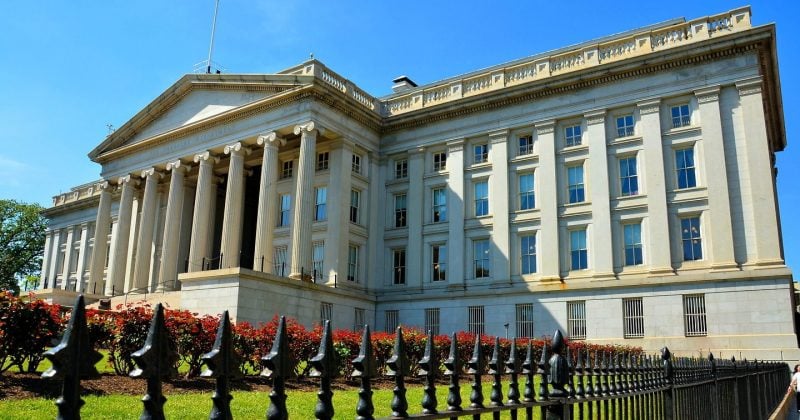
The US Treasury just took a sledgehammer to Iran’s crypto infrastructure. On June 2, the Office of Foreign Assets Control sanctioned four of Iran’s largest digital asset platforms, accusing them of funneling money to the Islamic Revolutionary Guard Corps through a web of stablecoin transactions, ransomware payments, and maritime extortion schemes.
The exchanges hit: Nobitex, Bitpin, Ramzinex, and Wallex. Together, they represent the backbone of Iran’s domestic crypto market. Nobitex alone reportedly processed over 50% of the country’s digital asset inflows in 2025, making it less of an exchange and more of a financial artery for the regime.
The money trail and the maritime connection
Here’s where it gets interesting. The Treasury didn’t just flag these platforms for generic sanctions evasion. The designation specifically calls out “toll” payments, digital asset fees allegedly paid to IRGC-linked entities for safe passage through the Strait of Hormuz.
In English: the IRGC has apparently been running a crypto-powered protection racket in one of the world’s most critical shipping lanes. About a fifth of global oil passes through that strait daily, so the leverage is obvious.
The Treasury froze nearly $500 million in digital assets connected to the Iranian regime as part of the action. Of that, more than $130 million was held in USDT on the TRON network, wallets allegedly tied to Iran’s Central Bank and its IRGC operations.
Several Iranian nationals were also designated, including Nobitex executives and founders such as Amir Hossein Rad. The sanctions effectively cut these individuals and entities off from the US financial system and make it illegal for any US person or company to transact with them.
Why crypto keeps showing up in sanctions enforcement
This isn’t the first time OFAC has gone after crypto infrastructure tied to Iran. But the scope here marks a significant escalation in 2026. The Treasury has been steadily expanding its digital asset enforcement toolkit, and this latest round combines exchange designations with alerts on front companies and specific payment methods used for evasion.
The IRGC’s exploitation of digital assets has reportedly intensified during periods of internet restrictions inside Iran. When traditional banking channels get squeezed, crypto becomes the relief valve. Stablecoins in particular offer dollar-denominated value transfer without touching a single correspondent bank.
The ransomware angle adds another layer. OFAC’s designation notes that these exchanges facilitated ransomware-related transactions linked to the IRGC.
What this means for investors
Major crypto prices barely flinched on the news. Bitcoin and other large-cap tokens showed little immediate reaction, which tracks with how the market has responded to previous sanctions actions.
The TRON-specific freezes are worth watching closely. More than $130 million in USDT frozen on a single network sends a clear message about the reach of US enforcement even on decentralized infrastructure. For investors holding stablecoins, it’s a reminder that “decentralized” and “unseizable” are not synonyms when the issuer cooperates with law enforcement.

HAOYUYAN Wireless Earbuds, Sports Bluetooth Headphones, 80Hrs Playtime Ear Buds with LED Power Display, Noise Canceling Headset, IPX7 Waterproof Earphones for Workout/Running(Black)
$23.98 (as of October 23, 2026 03:33 GMT +00:00 - More infoProduct prices and availability are accurate as of the date/time indicated and are subject to change. Any price and availability information displayed on [relevant Amazon Site(s), as applicable] at the time of purchase will apply to the purchase of this product.)
Banana Bunch (4-5 Count)
(as of October 23, 2026 03:13 GMT +00:00 - More infoProduct prices and availability are accurate as of the date/time indicated and are subject to change. Any price and availability information displayed on [relevant Amazon Site(s), as applicable] at the time of purchase will apply to the purchase of this product.)
Premier Protein 30g High Protein Shake, Chocolate, 12 Pack | 160 Calories, 24 Vitamins & Minerals, No Added Sugar, Supports Muscle Health, Gluten-Free, 11 oz
$25.49 (as of October 23, 2026 03:13 GMT +00:00 - More infoProduct prices and availability are accurate as of the date/time indicated and are subject to change. Any price and availability information displayed on [relevant Amazon Site(s), as applicable] at the time of purchase will apply to the purchase of this product.)
Propel, Kiwi Strawberry, Zero Calorie Sports Drinking Water with Electrolytes and Vitamins C&E, 16.9 Fl Oz (12 Count)
$9.97 (as of October 23, 2026 03:13 GMT +00:00 - More infoProduct prices and availability are accurate as of the date/time indicated and are subject to change. Any price and availability information displayed on [relevant Amazon Site(s), as applicable] at the time of purchase will apply to the purchase of this product.)













Post Comment