
I Dug Into 30 AI ‘Doctors’ on Social Media—What I Discovered Will Shake Everything You Thought About Digital Health Experts
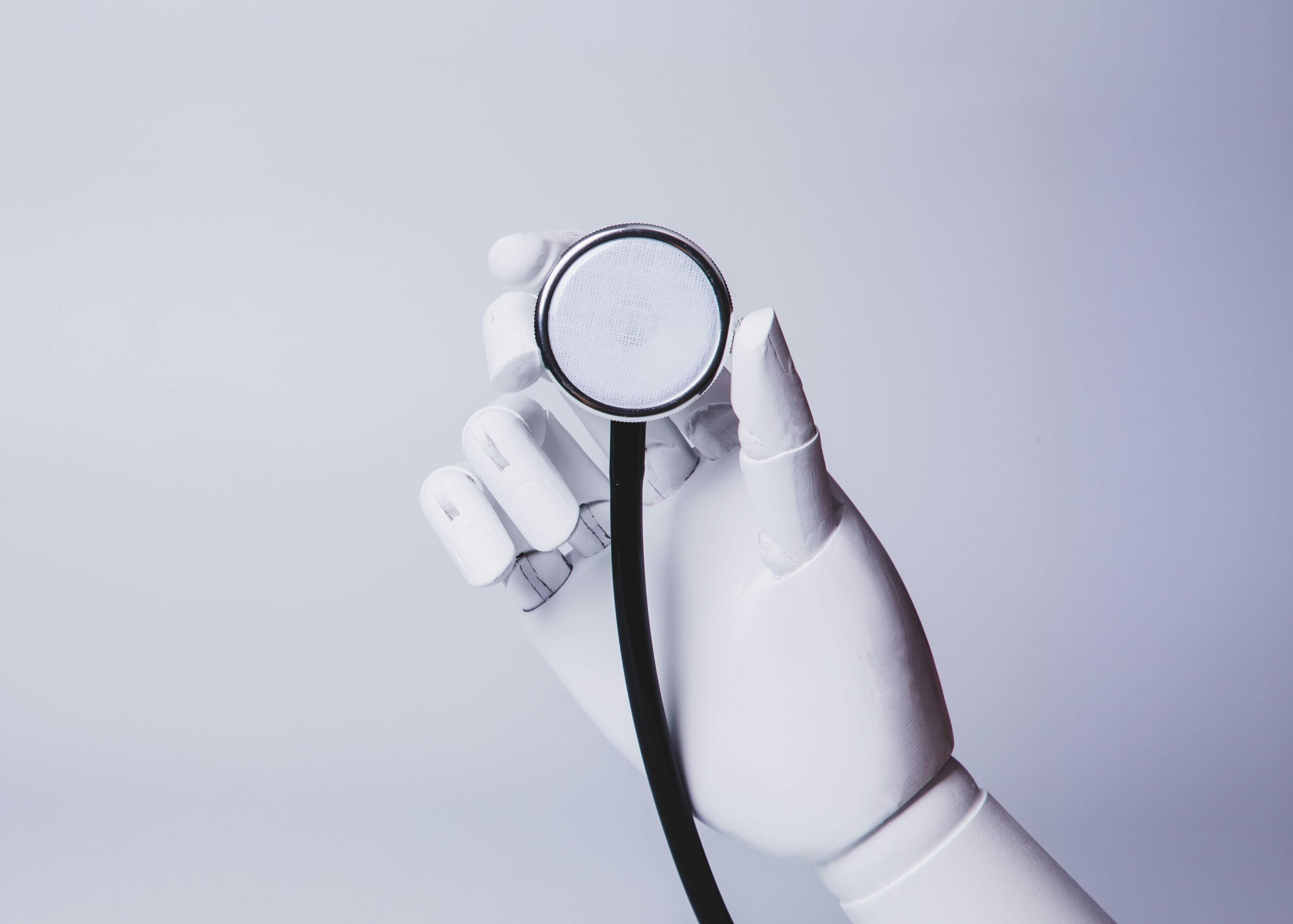
Ever get that weird feeling that some health advice online is just too… perfect? Like, “Hey, you’ve got years of poop just hanging out in your gut, and I’ve got the miracle fix!” Well, that was me not long ago, staring at a so-called doctor in a white coat, diplomas in full view, promising a gut cleanse that’d supposedly detox my life. Here’s the kicker—the doc was a total fake, conjured up by artificial intelligence to peddle a product. Sounds like sci-fi gone rogue, right? But the truth is, AI-generated health gurus are popping up everywhere, serving up slick advice and selling stuff, all without a blink about their non-human origins. I dove into TikTok and Instagram to sniff out these digital imposters, uncovering a creeping epidemic of fake docs who are as convincing as they are dangerous. Curious to know how to spot these virtual quacks before they bait you with bogus cures or shady supplements? Strap in—this one’s a wild ride. LEARN MORE
 4 min read
I HAVE YEARS’ worth of poop in my intestines.
At least, that’s what a doctor on social media told me. He was wearing a white coat. His diplomas hung on the wall behind him. Ominous music played in the background while he performed a graphic demonstration about how one product can clean my gut of all that fecal matter, leaving me feeling healthier, happier, and less “toxic.”
There’s just one problem: The doctor doesn’t exist. He was created by generative artificial intelligence to sell a product.
You’re probably thinking that you’d never fall for such an obvious scam, but AI-generated content is growing increasingly sophisticated. And unless a social post comes labelled as “A.I. content,” you might never know these virtual characters dispensing health advice aren’t human.
To get a sense of how widespread this issue is, I searched TikTok and Instagram for AI-generated health content featuring fake doctors and other medical professionals. I wanted to see what sorts of information they were giving, if they were selling products, and if there was a transparent disclosure of the use of AI to create that content.
I quickly identified 30 accounts that featured AI-generated doctors and health influencers. Some of these accounts were not marked as AI content. Others had the blue Meta verification check that’s supposed to mark an account as authentic and credible. But how can someone be authentic and credible if they don’t exist?
What I found was shocking—but there are still a few critical tells you can use to sniff out a scam.
AI ‘Docs’ Have Something to Sell
TAKE, FOR EXAMPLE, the curious case of James Anderson.
In September 2026, an Australian fact-checking company discovered hundreds of Instagram ads featuring an AI-generated surgeon by that name. Anderson was supposedly from New Zealand, Australia, and even Toronto, depending on the ad. In Canada, the content identified him as Dr. James Anderson, MD, FRCSC (Orth). FRCSC is Fellow of the Royal College of Surgeons (Canada), a regulated credential that was clearly being hijacked.
His pitch was simple and hopeful: Instead of surgery for your sore shoulder, you should consider a device called Mendable Shoulder. The device, allegedly developed by Anderson and a “team of biomedical engineers,” could heal your pain in just 12 minutes a day, according to the pitch. It cost $119, but was cheaper if you bought three. Some of these ads claim that Anderson works at North Toronto Shoulder Clinic, which, as someone who actually lives in North Toronto, I’ve never heard of—because it doesn’t exist.
Whoever created Anderson dreamed up an entire persona for him, complete with a convincing appearance, fabricated credentials, made-up experience, and fake testimonials.
Even real doctors aren’t safe from having their names and likeness scraped by these companies to sell products. A recent investigation by CBC News found hundreds of online videos using deepfakes of real medical professionals whose faces and voices had been stolen and manipulated to make them appear to endorse products and services that they’d never recommended.
Bizarre Language Tells
NOT ALL THE accounts I studied relied on fake credentials or white coats and fabricated diplomas. Some featured elderly, AI-generated characters who were allegedly sharing “ancient remedies” and old “secrets” from other cultures.
A large proportion of these supposed “remedies” were absurd or even sexist, calling breasts “hooters” or showing a model of a vagina with “worms” coming out of it. All of them told viewers that modern medicine had forgotten about—or hadn’t yet discovered—this special cure. One simple remedy can solve all of your health problems, was a common refrain. Some of these accounts linked to Amazon pages selling supplements or books. Others were clearly going for clicks and views. Which brings up the next red flag…
Huge Follower Counts
THE MOST SURPRISING detail I noticed was how popular these accounts appeared to be. Several had follower counts in the millions, which only serves to increase their perceived value and credibility.
Although some of the engagement on the posts probably came from bots (or at least, I want to believe that they are), there had to be some real people in there, too. And real people are certainly encountering this content, and potentially using it to help make decisions about their health. But don’t mistake popularity for authority.
The Bottom Line
MY INFORMAL SEARCH wasn’t a scientific study. But larger investigations suggest that AI-generated experts are an increasingly sophisticated vector for health misinformation.
In 2026, Spanish fact-checking organization Maldita found 250 AI-generated health accounts reached more than 53 million followers across seven languages.
They also identified 25 Instagram accounts impersonating medical professionals. Collectively, these accounts had more than 3.6 million followers and had accumulated more than 397 million video views.
So remain skeptical, especially when a so-called “expert” or “professional” talks about “ancient remedies,” supplements, or treatments that involve basic foods that are found in your kitchen.
And if they offer a link to buy supplements from their Amazon store, back away. If it sounds too good to be true, or even just seems “off,” ask your doctor or another IRL health professional.

Abby Langer, RD is the owner of Abby Langer Nutrition, a Toronto-based nutrition consulting and communications company
Earth Rated Dog Poop Bags on Refill Rolls, 270 Bags, Lavender | Guaranteed Leak Proof and Extra Thick Waste Bag Refill Rolls
$14.99 (as of November 17, 2026 03:24 GMT +00:00 - More infoProduct prices and availability are accurate as of the date/time indicated and are subject to change. Any price and availability information displayed on [relevant Amazon Site(s), as applicable] at the time of purchase will apply to the purchase of this product.)
Amazon Fire TV Stick 4K Plus with AI-powered Fire TV Search, Wi-Fi 6, stream hundreds of thousands of movies and shows, free & live TV, find shows faster with Alexa+
$69.99 (as of November 17, 2026 03:27 GMT +00:00 - More infoProduct prices and availability are accurate as of the date/time indicated and are subject to change. Any price and availability information displayed on [relevant Amazon Site(s), as applicable] at the time of purchase will apply to the purchase of this product.)
Amazon Basics Dog Poop Leak Proof Bags with Dispenser and Leash Clip, Unscented, 13" x 9" Large Size, 300 Count
$7.83 (as of November 17, 2026 03:24 GMT +00:00 - More infoProduct prices and availability are accurate as of the date/time indicated and are subject to change. Any price and availability information displayed on [relevant Amazon Site(s), as applicable] at the time of purchase will apply to the purchase of this product.)
Blueberries, 1 Pint
(as of November 17, 2026 03:24 GMT +00:00 - More infoProduct prices and availability are accurate as of the date/time indicated and are subject to change. Any price and availability information displayed on [relevant Amazon Site(s), as applicable] at the time of purchase will apply to the purchase of this product.)










Post Comment