I Tried a Red Light Therapy Vibrator for Menopause—What Happened Next Blew My Mind and Revamped My Entire Sex Life!
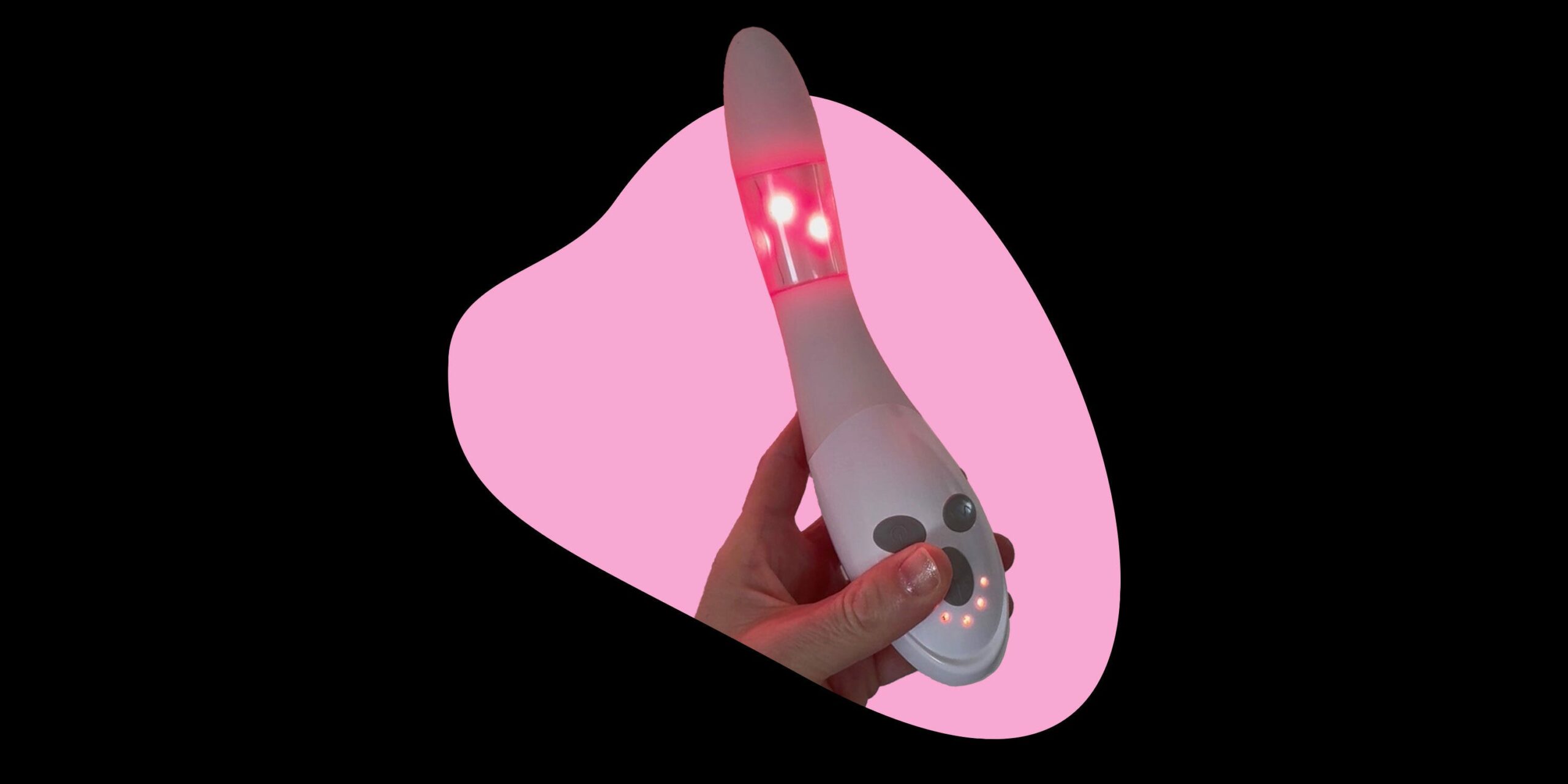
What happens when breast cancer treatment throws you headfirst into menopause at 37? Spoiler alert: your body throws a full-on tantrum. I’m talkin’ hot flashes, unbearable fatigue, mood swings that rival a soap opera, and something called Genitourinary Syndrome of Menopause (GSM) — an awkward way of saying vaginal dryness, painful sex, and a hypersensitivity that makes you question if your body’s just trolling you. It took me way too long to realize I wasn’t “broken,” just in uncharted territory few talk about. And when my oncologist shrugged it off as “par for the course,” I knew I had to fight for my own health. Over eight years, I experimented with every treatment out there — from lasers to “womb healing” (yes, seriously) — before stumbling upon something that changed the game: the JoyLux vFit, a red light therapy device designed specifically for vaginal healing. Intrigued? You should be. This six-minute, red-light ritual became a rare beacon of relief, empowerment, and frankly, some long-overdue ‘me-time.’ Here’s my raw, unfiltered journey navigating GSM and what it really means to reclaim your body and confidence. LEARN MORE
 6 min read
When breast cancer treatment pushed me into menopause at 37, my body changed practically overnight. I was hit with a plethora of symptoms: hot flashes, crushing fatigue, mood changes, and Genitourinary Syndrome of Menopause (GSM), which caused vaginal dryness, pain during intercourse (dyspareunia), and a heightened sensitivity to, well, everything.
It took me a while to figure out what was happening because I’d never heard of GSM. I just knew that something was wrong with me, like I was broken. The symptoms weren’t just physical—they took an emotional toll, too. My health issues negatively impacted my marriage, affecting everything from lack of sexual intimacy to communication.
Eventually, I couldn’t take it anymore. But when I finally mustered up the courage to tell my oncologist about my symptoms, he dismissed them as being “par for the course” with menopause. Thankfully, my primary care doctor, who happens to be a woman, listened to my concerns. She officially diagnosed me with GSM and offered treatment recommendations.
Over the next eight years, I tried a wide range of both hormonal and non-hormonal options to treat my GSM symptoms, including localized estrogen therapy, hyaluronic acid, pelvic floor therapy, radiofrequency lasers, dilators, and even a “womb healing” session in Sedona, AZ, that left me with a serious bout of vertigo. Through trial, error, and persistence, I’ve learned which strategies best keep my symptoms in check, and which ones to avoid.
So, when an Instagram ad for the JoyLux vFit device popped up in my feed a few months ago, I paused. Red-light therapy (RLT) devices have become more and more popular, like the glowing face masks that instantly turn skincare devotees into Marvel villains. But this was the first RLT product I’d come across that was designed specifically for vaginal health. Not to mention, the vFit is non-ablative, meaning it stimulates cellular repair without damaging tissue, setting it apart from other vaginal rejuvenation treatments I’d tried.
Joylux
” data-vars-ga-product-id=”1eac6d75-2e1f-466f-bc1c-081f27a53180″ data-vars-ga-product-price=”$395.00″ data-vars-ga-product-retailer-id=”af0930cf-24cc-4b6f-8e4f-6aa0ded9a81d” data-vars-ga-link-treatment=”(not set) | (not set)” class=”product-image-link ebgq4gw4 e12px3ys0 css-197z3n1 e1socmtw0″>

How the Joylux vFit’s Red Light Therapy Promotes Vaginal Healing
Red light therapy exposes the skin to specific wavelengths of red or near-infrared light. The theory is that these photons penetrate the skin and become absorbed by mitochondria—the tiny energy producers inside our cells—activating the production of adenosine triphosphate (ATP), which helps to improve blood flow, enhance collagen production, and promote tissue repair. The effectiveness of RLT treatment depends on wavelength, intensity, duration, and consistency. Although studies are still ongoing, many users have self-reported improvements in skin tone, texture, and overall comfort.
The vFit was created by former aesthetician Colette Courtion, in collaboration with her double board-certified OB-GYN, Dr. Sarah de la Torre, MD, following Courtion’s personal experience with GSM. “So many women go through these changes quietly, thinking they’re alone or that it’s just something they have to live with,” says Courtion. “That realization is what motivated me to do something about it. To create solutions that help women feel like themselves again.”
The vFit device combines high-powered, UV-free red LEDs, gentle heat, and sonic vibration to support cellular renewal, circulation, natural lubrication, and tissue health. For me (and my husband), the user-reported benefits of enhanced libido and sensation felt like an added bonus. At $395, the price isn’t insignificant, especially for a product insurance doesn’t cover. But if it could help soothe my painful symptoms, I figured it was worth the investment.
How I Used the vFit
I decided to try the device for six weeks—the recommended timeframe needed to see results. Here’s how it impacted my GSM symptoms, vaginal health, and overall sex life.
Week 1: First Impressions
Opening the box, I felt cautiously optimistic. The device, made of smooth medical-grade silicone, looked like something between a clinical tool and a vibrator. The controls were intuitive, with six vibration modes (Sonic Technology) and four session durations for the red-light therapy (Light Mode). Setup was straightforward, and the free companion app easily guided me through proper use, care, and storage.
The instructions were clear: Use the vFit for a six-minute session every other day, with the goal of gradually building up to ten-minute sessions. At first, it sounded like a lot. But once I did the math, three short treatments per week felt pretty manageable. I charged the device overnight and set a few reminders on my phone.
Before each use, I applied a small amount of JoyLux Photonic Gel, which helps boost lubrication and improve red-light conductivity by up to 45 percent, according to the company’s website. The first two sessions were slightly uncomfortable—not surprising, given my severe GSM symptoms—but tolerable.
The sensations were unfamiliar, a mix of heat and vibration that took a little getting used to. I tried to focus on the 360 breathing technique I learned in pelvic floor therapy to stay relaxed and open. In the day or two following usage, I noticed some mild cramping and sensitivity in my lower pelvic area.
Week 2: Muscle Engagement
By the second week, the sessions had begun to feel more routine. The warmth of the device was calming, and the gentle, therapeutic vibration felt soothing. I made note of the slight shift to my pelvic floor, and how my muscles seemed to relax and respond with more ease during insertion.
Week 3: Hydration and Lubrication
By week three, the delicate tissue around the vulvar vestibule felt markedly less sensitive during insertion. I also noticed natural lubrication returning to areas that had been persistently dry for years, both during and between sessions. This made sense, since red light is known to stimulate the body’s release of nitric oxide, improving blood flow and supporting hydration. The changes were subtle, but distinct—a clear sign that consistent use was making a real difference.
Week 4: Patient Autonomy
By week four, insertion was significantly more comfortable, especially when using a water-based lubricant. But the positive effects weren’t just physical. Being able to move at my own pace, adjust positioning, and fully control the device proved invaluable. Taking charge of symptoms that had caused me years of embarrassment and shame felt empowering in a way I hadn’t anticipated. I felt like I was reclaiming long-overdue authority over my own body and well-being.
Though research shows up to 87 percent of menopausal women experience GSM, symptoms are often overlooked or completely dismissed by medical providers, reinforcing a culture of silent suffering that is finally, thankfully, beginning to change. “Women deserve to be active participants in their healthcare, not passive recipients of it,” says Dr. Somi Javaid, MD, a board-certified OB-GYN, surgeon, and founder of HerMD. “When patients are educated about their bodies and their options, they gain the autonomy to make decisions that align with their values, their relationships, and their quality of life.”
Weeks 5-6: Clear Improvement
By week six, I was comfortably completing the longest light setting and found myself looking forward to each session, which offered a brief reprieve from the chaos of everyday life. My tissues felt more hydrated and elastic during insertion, especially compared to the tightness and raw sensitivity I’d experienced just weeks earlier. I noticed increased natural lubrication, and perhaps most notably, the anxiety I carried around penetrative sex had decreased significantly. The vFit helped my husband and me reconnect physically. We were able to have sexual intercourse without pain, restoring a closeness that had long been missing in our relationship.
Is the Joylux vFit worth it?
While the vFit didn’t eliminate my GSM symptoms entirely, six weeks of steady use led to meaningful improvement. In my experience, the device helped heighten my pelvic floor awareness, improve vaginal lubrication and tissue resilience, and reduce symptoms of dyspareunia. Early side effects such as heat sensitivity, cramping, and mild discomfort were manageable and resolved after the first few uses.
Red light therapy doesn’t deliver immediate results. Instead it works gradually, so consistent usage of the vFit is key. But I was genuinely surprised by how these short, frequent sessions eased my symptoms and, perhaps more importantly, restored my confidence.
Understandly, the biggest drawback of the vFit is its price. But for me, the value extended beyond the device itself. This tool helped me stay consistent with other therapies I’d benefited from over the years, motivating me to utilize a multimodal approach to managing GSM.
Taking control over my own care in the privacy of my home—after years of lying on exam tables, passively receiving treatment—gave me a profound sense of autonomy I hadn’t felt since I was first diagnosed with cancer. That is priceless.
Anna Sullivan is a mental health therapist, author and co-host of “Healing + Dealing.”She has written for The New York Times, Vogue, Cosmopolitan, Today, Newsweek, Salon, HuffPost, and more. She is currently writing a book, “Private Parts,” about going through early induced menopause due to cancer treatment.
TERUNSOUl 4K+4K Dash Cam Front and Rear, Free 128GB Card Included, 5.8GHz WiFi Dash Camera for Cars, Built-in GPS, G-Sensor, 170°Wide Angle, 3" IPS Screen, 24H Parking Mode, Support 512GB Max
$109.97 (as of March 31, 2026 02:20 GMT +00:00 - More infoProduct prices and availability are accurate as of the date/time indicated and are subject to change. Any price and availability information displayed on [relevant Amazon Site(s), as applicable] at the time of purchase will apply to the purchase of this product.)
Hoki Found Silicone Pet Food Mats Tray - High-Lips Pet Dog Cat Bowl Mats - Pet Feeding Mat - Waterproof Dog Cat Food Mats -Pet Water Mats for Floors - Amethyst
$16.99 (as of March 31, 2026 02:17 GMT +00:00 - More infoProduct prices and availability are accurate as of the date/time indicated and are subject to change. Any price and availability information displayed on [relevant Amazon Site(s), as applicable] at the time of purchase will apply to the purchase of this product.)
Beats Studio Buds + - Black / Gold with AppleCare+ (2 Years)
$99.95 (as of March 31, 2026 02:20 GMT +00:00 - More infoProduct prices and availability are accurate as of the date/time indicated and are subject to change. Any price and availability information displayed on [relevant Amazon Site(s), as applicable] at the time of purchase will apply to the purchase of this product.)
Nespresso Capsules Vertuo, Barista Flavored Pack, Medium Roast Coffee, 30 Count Coffee Pods, Brews 7.8oz.
$42.00 (as of March 31, 2026 02:16 GMT +00:00 - More infoProduct prices and availability are accurate as of the date/time indicated and are subject to change. Any price and availability information displayed on [relevant Amazon Site(s), as applicable] at the time of purchase will apply to the purchase of this product.)











Post Comment