
I Tried Every Crazy Remedy for Sexual Dysfunction—Until One Powerful Solution Changed Everything Forever
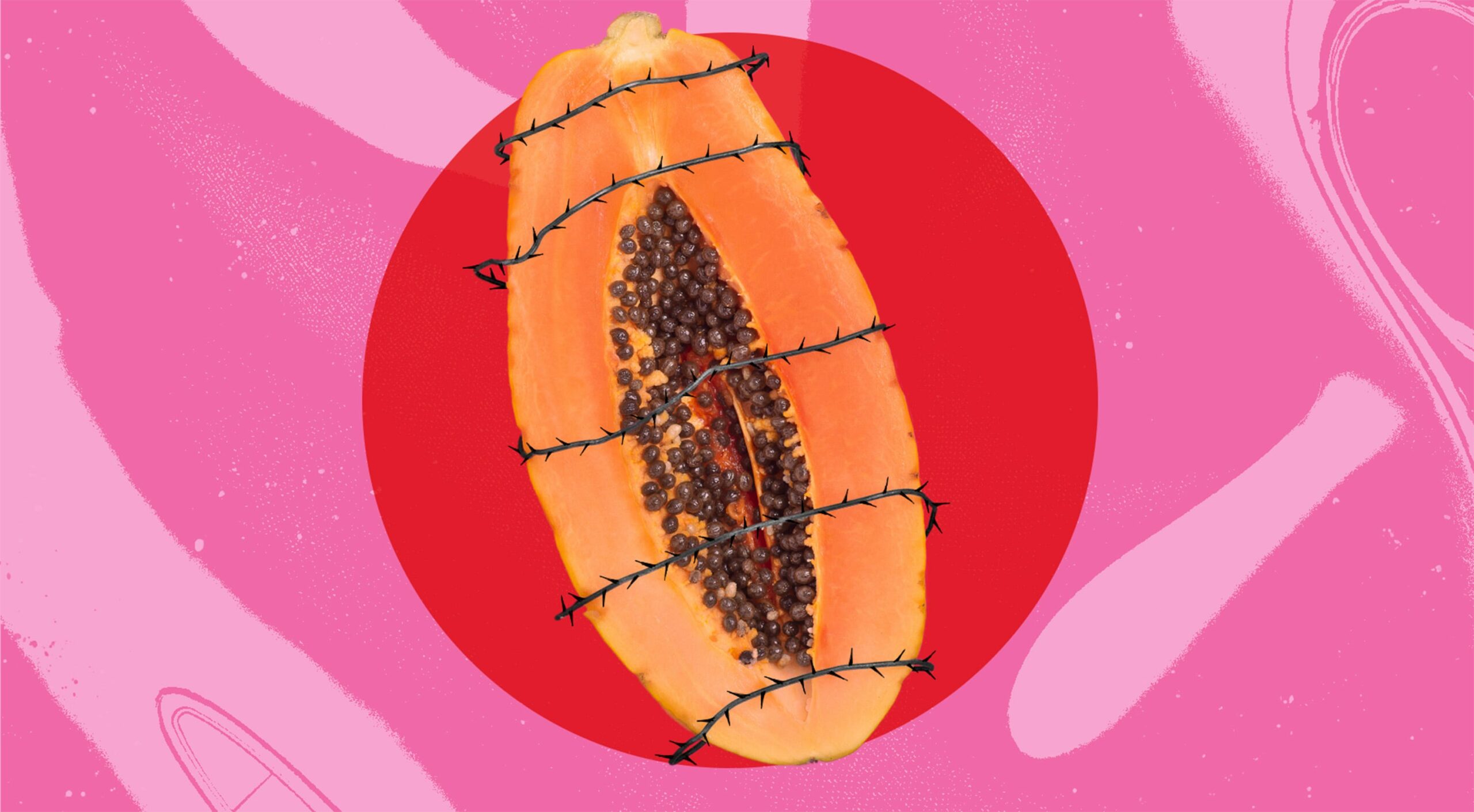
Remember that exhilarating first time? The butterflies, the unexpected bliss, and—oh yes—the morning-after bacon, egg, and cheese surprise packed in a pickup truck. Sounds perfect, right? Well, picture that thrill swiftly traded for a sudden, sharp sting that felt less like pleasure and more like an electric shock in your most intimate place. How does one navigate the confounding crossroads where curiosity meets chronic pain? When your body sends mixed signals—pleasure one moment, fire the next—what’s a sexually confident soul to do? Join me as I unravel the raw, unfiltered journey through unexpected vaginal pain, the elusive diagnosis of vulvodynia, and the resilient dance toward reclaiming pleasure and trust in a body that refuses to play by the usual rules.
 9 min read
My first time having sex was great. A stranger-turned-lover I met at a bar brought me to orgasm and then, in the morning, back home in his pickup truck—with a bacon, egg, and cheese to boot. But later that day, I felt a sharp sting, almost like an electric shock, in the same place I’d once felt pleasure.
I assumed, from years of reading romance novels, that the pain in my vagina was a normal side-effect of losing my virginity and, therefore, nothing to worry about. The next morning, I flew to California for my senior year of college.
On the plane, the stinging intensified. By the time I landed, it felt like fire.
A visit with the campus gynecologist didn’t offer much help. Even though I’d used protection, I was tested for STIs, along with hormone imbalances and anything else that might be revealed in my bloodwork. All the tests came back normal. The gynecologist told me I must have a vaginal tear, and prescribed Advil, a warm bath, “even a glass of wine”—all to make sure I was relaxed before I had sex again.
This confused me. Although I’d been a little nervous during my recent rendezvous (it was my first time having penetrative sex, after all), I knew I hadn’t been super tense.
Growing up, I’d always felt comfortable with my sexuality. It was never something to shy away from or be ashamed of. I was raised by my mother and two aunts, who taught me to be confident and empowered me to talk openly about anything with them. As a teen, I devoured erotic novels and smutty Wattpad stories, and I loved getting off as much as getting all dolled up—mini skirts, fish nets, jeans that hugged me in all the right places. The more I learned about sex, the more interested I became in it—so much so that I majored in creative writing with a focus on gender sexuality studies in college.
During this time, I was more a sexual anthropologist than an actual sexplorer. I fooled around plenty in high school and college, but I didn’t cross what felt, to me, like a final frontier until that fateful night back home. Now that I had, I was unwilling to let a little pain stop my newfound sexual prowess.
With more flirtation than fanfare, I slipped into my Samantha Jones era. I experimented with gymnastic-level positions, dated older people with more sexual experience, and tried candy-colored sex toys. When the sex was good (and it often was), it pushed me to be more creative, more uninhibited, and more curious.
But sometimes, penetration felt like being poked tiny razorblades, and even once I pushed past that pain, sex itself felt more like riding a sandpaper dildo than riding waves of pleasure. The pain followed me outside of my dorm room, and into the rest of my life. I’d feel a steady burning from sitting cross-legged or a sharp, stabbing pain when I was zipping up my jeans.
Six months after my initial flare-up, my pain grew significantly worse.
Though I’d promised myself I wouldn’t let pain hold me back from potential pleasure, and learned how to be direct in telling my sexual partners what I needed to get off (yes to doggy style, no to cowgirl), “not tonight” was my default response more often than not.
Soon, the pain became my only bedmate. I was often unable to sit through class, and even on the days when I was bedridden, it hurt too much to fall asleep.
With no real answers from my campus gynecologist, the budding journalist in me decided to research. I found that there was little mainstream literature about living with chronic vaginal pain and sexual dysfunction, aside from the absurd portrayal on Sex and the City when Charlotte’s gyno tells her that her “vagina is depressed,” but it’s not serious.
I looked up “painful sex” on Reddit and started scrolling through threads like r/WomensHealth and r/Vulvodynia, online forums with tens of thousands of weekly visitors. I kept seeing users mention pelvic floor therapy, so during winter break of my senior year, I made an appointment with a pelvic floor therapist in my hometown. After the initial exam, Dr. Jackie Jaronczyk paused and asked, almost incredulously, “How have you been living like this?” She diagnosed me with vulvodynia and recommended I go off birth control. Finally, I thought, an answer to get me back in the saddle.
Vulvodynia refers to pain in your vulva that lasts longer than three months and doesn’t have a clear cause. It’s a complex, multifactorial chronic pain condition involving the pelvic floor muscles, the nervous system, hormonal influences, biomechanics, and sometimes, a history of stress or trauma, Dr. Jaronczyk says. “If you’re not trained to look at all of those layers, you will miss the diagnosis or oversimplify it,” she explains. “Vulvodynia is not rare. It’s under-recognized.”
Once I went off my hormonal birth control pill, my symptoms mostly improved. But I quickly learned what the “chronic” in chronic illness means. Three months later, my flare-ups returned—the pain ranging from annoying discomfort to hand me a tranquilizer STAT.
While my campus gynecologist (my only option due to insurance limitations) seemed concerned about my pain, it felt like I was the only one who cared as much about my pleasure. I didn’t just want to have bearable sex, I wanted to have great sex. But how do you reclaim your sexuality when desire is entangled with fear? How do you trust yourself—or your body—when pain becomes unpredictable? And perhaps most disorienting of all, how do you remain a sexual person when the very act of sex brings more risk than reward?
Since vulvodynia has no single cause, I found myself on a health scavenger hunt.
I pinballed from urologists to pain specialists, trying to determine if the cause of my symptoms was hormones, genetics, nerve pain, or something else. I tried estrogen cream on my vulva, which gave me splitting headaches. I tried boric acid suppositories and Valium suppositories, which didn’t change much of anything. I increased my fiber and water intake, which is great for overall health but didn’t help my flares.
I wore more breathable fabrics, swapping out tight spandex leggings for loose cotton pants—and often ditched my underwear—after learning that my body-hugging wardrobe could trigger vaginal pain. I drank wine, washed with “feminine soap” meant to mimic my vagina’s natural pH, and gave myself mental pep talks before sex, hoping anything might “relax” my body enough to override the pain.
“Relax” was the mantra of dismissive doctors. I started blaming myself for not “relaxing” enough, which only stressed me out more.
If it was “all in my head,” like the doctors said, then that was where I’d find relief. So, I sought out all kinds of spiritual fixes, throwing myself into yoga, breathwork, and meditation, anything and everything that promised “relaxation.”
Energy healers equipped me with expensive Reiki sessions and spells to cast my pain away. A shaman mused, “I believe you were assaulted in a past life, and this is your wound in this life.”I truly had not considered that, I told the shaman, and added “past life trauma” to my list of things to try and avoid going forward. She recommended I sage my bedroom and take chakra balancing classes for $222 per session.
By 2025, I had been living with vulvodynia for almost three years.
I’d have several-month-long periods of blissful, pain-free sex, and then an occasional flare-up that left me paranoid that I’d never feel no-strings-attached pleasure again. I tried not to obsess or take the pain-free times for granted, but when I turned 25, my vagina began having a quarter-life crisis, too. I experienced one of my very worst flares, living for over two months with an intolerable ache in my vulva and pelvis, no libido, and worst of all, a sense of hopelessness.
I returned to the one person who took my symptoms seriously: Dr. Jaroncynz. Unlike many doctors I’d seen in the meantime, she validated all of my concerns and understood how vulvodynia disrupted so many areas of my life. This time, she offered me a way to reframe my condition: The cure I’d been searching for didn’t exist. Vulvodynia wasn’t something I could turn off—because pain is multifaceted, so are its triggers. Instead, I should think of myself like a pot of water, and try to keep myself from boiling. “What is your salt? What is your flame?” she asked.
I left the office without a new prescription to fill, but a new perspective. I’d been so desperate to cross the imaginary finish line into a pain-free future, I had run myself ragged, each failed attempt wearing away at my confidence.
With the pressure finally off, I realized my job wasn’t to fix my body, but to listen to it.
That’s not to say we were just going to sit back and “relax,” as all those doctors had suggested. Dr. Jaronczyk introduced me to a neuroplasticity-based approach. The idea is that when you experience a chronic symptom for longer than three months, your brain accepts it as the “new normal.” My pot of water had been boiling for so long, my brain had forgotten how to exist in a cooled-down state; it was always on alert. This meant I had to rewire my brain, so it no longer expected pain instead of pleasure.
First, we began the physical strategies of downtraining my muscles through a physical therapy regimen, which included myofascial release, a hands-on trigger-release therapy for pelvic muscles. This is a fancy way of saying Dr. Jaronczyk would internally massage my pelvic floor muscle with trigger point therapy to release tension.
Throughout the process, Dr. Jaroncynz taught me about the muscles, asking how each one felt when touched. We noted my obterator internus, a muscle deep in the pelvic girdle and attached to the hip, was especially tight (like, 1,000 Kegels a day tight).I also learned that the entry pain I often experienced with penetration could be chalked up to the bulbocavernosus sphincter muscle. When tightened, this muscle—also known as the “guardian” of the vaginal opening—can make it feel like there’s a wall in the vagina.
She also performed cupping on my hips and outer thigh to improve blood flow, and taught me core exercises to strengthen my pelvic floor. I learned the value of incorporating tools like the Kiwi from The Pelvic People, a vibrating, therapeutic toy I could use during sex to reduce vaginal entry pain and aid in dilation.

I also started seeing a sex therapist who specializes in vulvovaginal disorders. By having honest conversations and creating action plans for my flare-ups, I began to lay my emotional armor down. I reflected on how I spoke about myself and my body, understanding that internalizing pain-catastrophizing language I read from Reddit threads or heard from doctors, like “you’ll live with this forever” or “this will never go away,” can actually worsen symptoms.
Prior to my diagnosis, I’d taken so much pride in being sexually open with partners, with friends, and in my writing. But I began blaming myself for my condition and thought I was responsible for fixing it. Along the way, I’d begun silently grieving the effortless relationship I’d once had with sex. I’d been resenting myself, never knowing if a flare-up was just around the corner.
Now, I am actively redefining what pleasure means to me.
With my current partner, I’ve used the techniques I’ve learned in sex therapy, such as pleasure mapping (exploring my body’s response by stimulating different erogenous zones with touch). Over the past three years, we’ve navigated difficult conversations about how this condition disrupts our sex life. He’s been my anchor, a source of hope, reassuring me when a flare makes me feel vulnerable, and together, we’re working to welcome the disruptions rather than fear or ignore them.
Of course, I’d still love to orgasm easily and without pain, but I’ve learned to let so many other aspects of my sexuality shine through self-advocacy, trusting myself, and falling in love with my body again.
Once a week, I devote a non-negotiable hour to doing just that. I open a notebook, light a Diptique candle, put on Amy Winehouse, and write about the sex I’ve had. While this practice has a clinical purpose (to keep track of my triggers, and to log flares or their absences), I treat it like a ritual. Alone in my bedroom, I feel like I’m returning to my younger self—making space for all kinds of pleasure, no longer waiting to feel alive exactly as I am.

Sara Sturek is a New York-based writer and poet whose work explores sexuality, relationships, and wellness. She is the founder of Writing Shamelessly, a creative consultant business where she mentors clients in their writing development. She holds an MFA in Creative Writing from New York University, where she was a Goldwater Fellow, and a Bachelor of Arts in Creative Writing and Communication from the University of Southern California, where she graduated Summa Cum Laude.

Apple AirTag (2nd Generation): Tracker for Keychain, Wallet, and More; Locator with Sound; Simple One-Tap Setup with iPhone or iPad; Key Finder with up to 1.5X Precision Finding Range
$24.00 (as of October 8, 2026 03:20 GMT +00:00 - More infoProduct prices and availability are accurate as of the date/time indicated and are subject to change. Any price and availability information displayed on [relevant Amazon Site(s), as applicable] at the time of purchase will apply to the purchase of this product.)
Newly Upgraded Cat Deterrent Spray, Cat Deterrent for Furniture Protection, Pee Spraying, Excessive Chewing & Scratching Everywhere, Cat Repellent Indoor and Outdoor, Pet-Safe Formula, 5.07 Fl Oz
$18.98 (as of October 8, 2026 03:20 GMT +00:00 - More infoProduct prices and availability are accurate as of the date/time indicated and are subject to change. Any price and availability information displayed on [relevant Amazon Site(s), as applicable] at the time of purchase will apply to the purchase of this product.)
Earth Rated Dog Wipes for Paws & Butt, Deodorizing, Unscented, 100ct | Hypoallergenic, 3-in-1 Cleaning and Hydrating, for Grooming Paws, Body and Butt
$8.49 (as of October 8, 2026 03:10 GMT +00:00 - More infoProduct prices and availability are accurate as of the date/time indicated and are subject to change. Any price and availability information displayed on [relevant Amazon Site(s), as applicable] at the time of purchase will apply to the purchase of this product.)
Ring Outdoor Cam (Stick Up Cam), Weather-Resistant Home or Business HD Security Camera, Live View, Color Night Vision, Two-Way Talk, Motion Alerts, Works with Alexa, White
$39.99 (as of October 8, 2026 03:10 GMT +00:00 - More infoProduct prices and availability are accurate as of the date/time indicated and are subject to change. Any price and availability information displayed on [relevant Amazon Site(s), as applicable] at the time of purchase will apply to the purchase of this product.)












Post Comment