
Inside Polymarket: How America’s High-Stakes Gamble Is Silently Betting Lives and Changing the Game Forever

Ever wonder how a classic political tune about “waste, fraud, and abuse” morphed from Reagan’s Cadillac-purchased 18-ounce steak anthem into today’s high-stakes game of insider betting on wars and cryptocurrency? It’s wild — the same old accusations used to target the most vulnerable, while the real profiteers skate under the radar. Now, the political circus cranks up the volume, with figures like JD Vance playing the salesman, while our whole economy turns into something straight out of a casino — where you don’t just bet on horses, but on the twists of foreign policy and government rulings. Here’s a thought: if politicians are railing against fraud while some might be quietly cashing in on knowing the odds before the votes, what kind of bets would you put down? The line between politics and poker just got blurrier — and yeah, that feels like trouble waiting to happen. LEARN MORE
 3 min read
Ever since Ronald Reagan hit pay dirt selling the rubes on big black bucks driving their Cadillacs to the store for their 18-ounce T-bones, the Republicans have used accusations of “waste, fraud, and abuse” to attack any government programs they don’t like. It’s always those programs that help our poorer fellow citizens, usually on thin or vaporous evidence. This worked so well that, during the heyday of the Democratic Leadership Conference, even some Democrats derived some benefit from the strategy. (Hi, Bill Clinton!) The targets always were the recipients of the programs and rarely the people who profited from what actual fraud there was. The GOP got them elected to the Senate.
(Once upon a time, I told a little bit of this story here.)
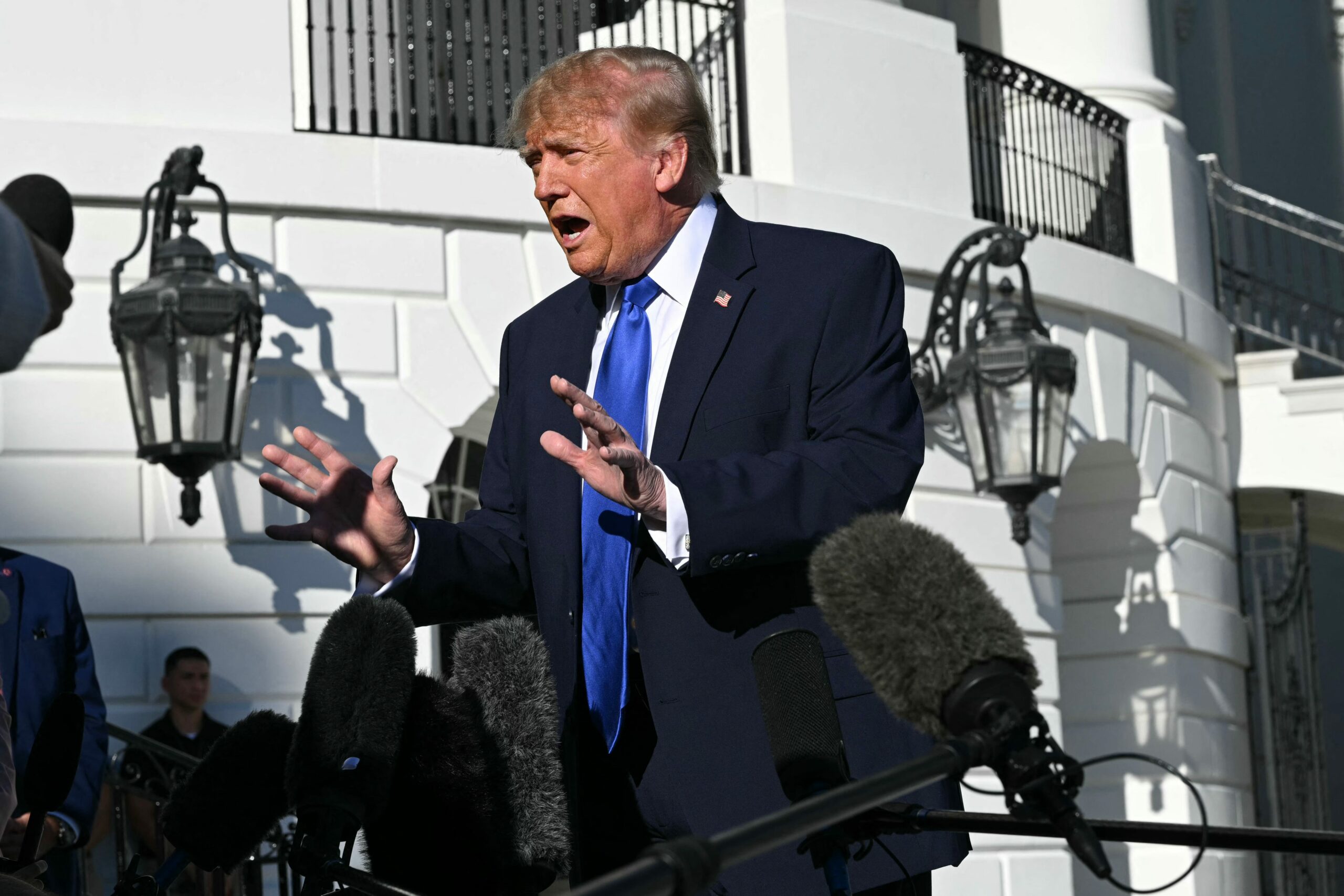
So now, in a desperate attempt to distract attention from a war gone sideways and a wretched economic record and whatever vipers are hiding in the underbrush, the administration is banging this old tin drum even more loudly. JD Vance is playing the Harold Hill role. Meanwhile, while the administration is running down the sick and the dying, the country’s entire economy is turning into one big casino. From The New York Times:
On the evening of Thursday, June 12, a small group of internet gamblers made a highly specific prediction on Polymarket, the betting website that offers odds on virtually everything. Thirteen users wagered a total of $140,000 that Israel would strike Iran by the end of that week, even as the odds suggested that an attack was unlikely. Seven of the accounts had been opened just days earlier. Another had a history of bets related to military action against Iran—and had won money on all of them. Israel attacked Iran later that day, netting the accounts more than $600,000 in profits.
It’s hard to tell if this is more dangerous or surreal. People making book on the likelihood of a war or the success of a foreign-policy initiative.
The explosive growth of prediction markets like Polymarket has rattled the political world over the last year, fueling concerns about a new kind of insider trading by military leaders and government officials with access to confidential plans. A military reservist was recently indicted in Israel for a scheme to bet on the June strike, while a U.S. Army Special Forces soldier was accused last month of wagering on the capture of Nicolás Maduro, the president of Venezuela.
Those bets represent only a slice of the suspicious activity on Polymarket. A New York Times examination found that more than 80 Polymarket users have placed bets with suspicious characteristics, including 38 whose well-timed wagers have drawn little or no public attention. They won money across nearly 30 topics dating back to at least 2024, from Israel’s strike on Iran last year to the regulatory debate over cryptocurrency trading.
Somebody is making money on inside information regarding government policy. Is it really that much of a leap to suggest that some of those people making the policy might also be making money betting for or against what they’re doing. I mean, basketball players once went to jail for this kind of thing.
The Times also found warning signs in areas unrelated to America’s foreign policy. In 2024, a user created a Polymarket account and placed a single long-shot bet that a financial product tied to the cryptocurrency Ether would be approved by the Trump administration. A month later, the user withdrew $50,000 in profits after regulators blessed the product.
I’m willing to bet that there are elected officials currently inveighing against “fraud” who also are making a buck betting on votes they’ll be taking. I wonder what kind of odds I can get on that.
Amazon Basics Dog Poop Leak Proof Bags with Dispenser and Leash Clip, Unscented, 13" x 9" Large Size, 300 Count
$11.24 (as of October 23, 2026 03:13 GMT +00:00 - More infoProduct prices and availability are accurate as of the date/time indicated and are subject to change. Any price and availability information displayed on [relevant Amazon Site(s), as applicable] at the time of purchase will apply to the purchase of this product.)
Purina ONE Tender Selects Dry Cat Food, Salmon, 7 lb Bag | Real salmon is the #1 ingredient made with carrots, peas, vitamins A and E for bright eyes, strong muscles and digestion
$17.46 (as of October 23, 2026 03:13 GMT +00:00 - More infoProduct prices and availability are accurate as of the date/time indicated and are subject to change. Any price and availability information displayed on [relevant Amazon Site(s), as applicable] at the time of purchase will apply to the purchase of this product.)
Apple 2026 Mac mini Desktop Computer M6 chip | 12‑core CPU and 12‑core GPU, 16GB Unified Memory, 256GB SSD Storage
$779.00 (as of October 23, 2026 03:33 GMT +00:00 - More infoProduct prices and availability are accurate as of the date/time indicated and are subject to change. Any price and availability information displayed on [relevant Amazon Site(s), as applicable] at the time of purchase will apply to the purchase of this product.)
Amazon Basics Surge Protector Power Strip, 6-Outlet with 200J Protection, Circuit Breaker, LED Indicator, On/Off Switch, Wall-Mounting, 2ft Extension Cord, White, 2-Pack
$12.59 (as of October 23, 2026 03:23 GMT +00:00 - More infoProduct prices and availability are accurate as of the date/time indicated and are subject to change. Any price and availability information displayed on [relevant Amazon Site(s), as applicable] at the time of purchase will apply to the purchase of this product.)












Post Comment