
Inside the Underground SoHo Basement That Revolutionized ’00s Fashion—And Why You’ve Never Heard of It Before
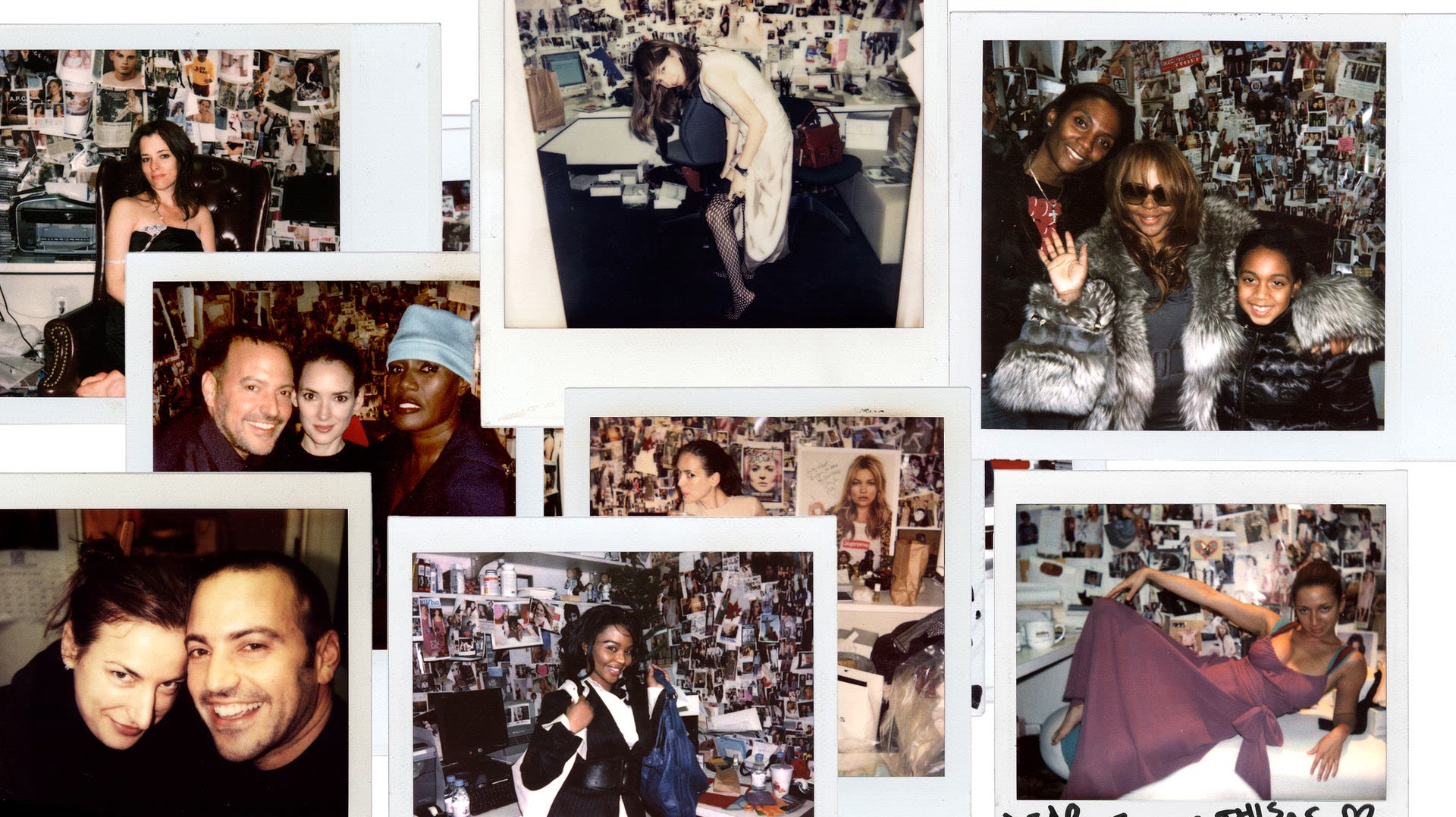
Remember the days when fashion felt like an underground club rather than a flashing billboard? Back when Marc Jacobs was outfitting the coolest crowd of the ‘00s, there was one guy behind the scenes quietly weaving magic in the basement of 163 Mercer. Robert Rich wasn’t just a store manager—he was the curator of a secret society of style icons like Kate Moss and Winona Ryder, capturing candid moments on Polaroids long before Instagram turned every gathering into a photoshoot frenzy. This new book, aptly named 163 Mercer, offers a nostalgic dive into that pre-digital era of fashion, packed with stories and snapshots that feel both intimate and timeless. Ever wonder what it was like to be part of a circle where creativity trumped commerce and trust was the currency? Well, buckle up—this isn’t your typical coffee table book; it’s a backdoor pass to the golden age of cool, captured through the lens of someone who lived it. LEARN MORE
 6 min read
Back when Marc Jacobs was dressing the coolest girls of the aughts, retail wunderkind Robert Rich was his secret weapon. Not unlike Truman Capote and his “swans,” Rich welcomed friends such as Kate Moss, Selma Blair, Sofia Coppola, Maya Rudolph, Natasha Lyonne, Parker Posey, and Winona Ryder to his basement office in the brand’s downtown flagship store, documenting fittings and gab sessions with a Polaroid camera. Now, 163 Mercer, a new book from IDEA named for the store’s address, shares stories and photographs of fashion’s golden years just before digital changed everything.

Rich’s first book, Winona, made with Francesca Sorrenti, debuted in 2023 after he spotted merchandise on IDEA’s Instagram feed emblazoned with the likeness of Winona Ryder. “I reached out and asked if they wanted to do a Winona Polaroid book, and they immediately replied, ‘Yes!'” he recalled over Zoom. It sold out on day one, and a second printing followed the next year. The experience left him wanting more creative outlets.
163 Mercer is “directed” by Zoe Cassavetes, the director, screenwriter, and actress, who was the sales director of the nearby Mercer Hotel in the ’90s. She met Rich when Jacobs and Marc Jacobs International president Robert Duffy sent her to the store to pick out a thank-you gift for her professional hospitality at the Mercer Hotel, where Jacobs often stayed.

The duo, who are so close that they still speak on the phone every day, began brainstorming a project. “I had the photos of all the other girls, so I knew I wanted to do a book with those pictures,” Rich said. They considered wallpaper based on the wall collage or a podcast featuring a different one of the girls per episode, but Cassavetes’s film background, including her 2007 directorial debut Broken English, made her the perfect book creative partner. IDEA said yes again.
They worked at Cassavetes’s Los Angeles apartment, laying out images on her oversized office table. “It’s a lot like writing a script, which is why I say I ‘directed’ the book; putting together the layout was like making a movie,” she said. Rich occasionally asked her to add an edited image, and she agreed. “We have similar tastes, and we were open to each other’s opinions. He has a cool eye,” she added.


Their bond developed when Cassavetes worked down the street. “My title at the Mercer was director of sales, but I was really a VIP manager. I had a basement office, too,” she recalled. Before New York’s indoor smoking ban in 2003, the two took cigarette breaks indoors. “The logistics helped our friendship, hanging out in each other’s offices smoking and having tea.”
The book features images of regular visitors plus some who came once or twice, and the women graciously catalogued their memories for it. Don’t expect captions throughout; it reads in parts like an IYKYK story asking viewers to figure out who is in the photo. “We didn’t caption every Polaroid; they weren’t like social media posts,” Rich explained.
Nostalgia for an era before our feeds made the post-Covid years the perfect time for Rich to revisit his mementos. The book should appeal to members of Gen Z who are wondering what they missed before social media, and those in Gen X who are longing for a time that felt authentic, rather than conceived in a marketing strategy.


Instead of a feed, Rich created an office mood board wall that started with tear sheets and magazine covers of the girls in Marc Jacobs, then added fitting-room Polaroids, which grew more playful, plus newspaper clippings and memorabilia. He likened it to his childhood bedroom, which was covered in Charlie’s Angels photos. Cassavetes says the mood board’s special quality was its esoteric nature. “The wall wasn’t for a million people to admire. We had privacy. We had fun because we had more freedom.”
Trust bound everyone involved. Rich knew Moss previously, and Cassavetes knew Sofia and Ryder; Rich met the others on the job. Ryder came into the shop independently, and Rich professed his love of Girl, Interrupted. “’That’s a girl’s movie,’ she said, and I said, ‘I’m a girl’s movie guy,’” Rich recalled. Ryder’s infamous 2001 shoplifting case led to her starring in the brand’s spring 2003 campaign, appearing on its “Protect the Skin You’re In” T-shirts and wearing Marc Jacobs to court.
“Selma didn’t know the others,” Rich said. “We hit it off when she tried on the Courrèges–inspired collection. I took Polaroids, sent some to Marc, and kept others. She kept coming in. I introduced her to Kate, Missy, and Frankie Rayder, all of them.”

The mood differed from today’s brand-celebrity ecosystem of mutual monetary gain. “It was unpretentious; no one was there to get paid. We were hanging out and having fun. That was the Marc Jacobs spirit: more artsy, less corporate. It was a perfect zeitgeist moment,” Cassavetes said.
Case in point: Rich met Hilary Swank before her Oscar win for Boys Don’t Cry. “She would come to the store, and I would dress her up for all the pre-Oscar award shows and events. I put her in a tiered ruffle sundress with a beachy vibe for the Independent Spirit Award in 2000,” he recalled.
Impromptu gatherings were plentiful. Once, Moss, Ryder, and Patric Reeves ended up in the office together. “I stocked my fridge with Sofia champagne cans. They were small but potent,” Rich said with a chuckle. An image in the book documents the mini party. Though Polaroids waned in popularity after the brand declared bankruptcy and digital cameras and camera phones arrived, Rich kept a stockpile he used until 2015.

“Sometimes I wouldn’t even recognize Winona because she had a new role, hair color, or style,” he said. “But I met all the boyfriends, watched them get married, pregnant, have babies, and divorce.”
Getting It girls to wear Marc Jacobs was simple. “Marc’s clothes were unbelievable; you didn’t have to beg them,” said Rich, adding that the store’s cool yet friendly vibe helped. “I was a big fan of Marc’s, and that radiated to everyone I hired,” including bartenders, who made great sales associates because “they knew how to talk to people.” A generous clothing allowance, four outfits a season instead of uniforms, fueled employee enthusiasm.
Cassavetes remembers Rich’s relaxed styling approach. “He made sure the girls didn’t wear the same thing.” Rich credits his former boss. “Marc liked everybody’s take on his clothes. Winona would change the buttons or redo straps; he loved it.”
Costume designer June Ambrose’s favorite memories include discovering hidden treasures in the basement. “Robert has an incredible eye and instinctively knew what I needed; I could trust him. He understood the woman, the attitude, and the personality behind the clothes,” she wrote in an email. “He made me fall in love with Marc Jacobs.”

Rich also gave his editor and stylist friends early access to sample sales.
His Marc Jacobs career began when Joe Zee took him to his first runway show for the brand. “I was blown away and marched backstage and asked Marc for a job,” Rich said. In 1999, he became store manager, eventually rising to vice president of public relations for retail stores during his tenure.
Before 163 Mercer became the Marc Jacobs store in 1997, it was once the Tony Shafrazi Gallery, which propelled the careers of Francis Bacon, David LaChapelle, and Keith Haring, for whom Rich once worked. “There was nothing in SoHo; Marc could have picked any space. There was good energy there. Tony would stop in and regret having given the space up,” Rich said, noting Jacobs kicked off SoHo’s current designer shopping enclave.
“The store was so laid back and a fun, creative safe space. It was also the center of the downtown fashion world at that time,” Cassavetes added.
Rich hints that a third book would move away from SoHo. “We wouldn’t just be in the office. Maybe it would be pictures from everywhere.”

Amazon Kids Tablet 8 (newest model), Ages 3-5, Includes 1-year of Kids+ with early-learning books, apps and videos about letters, numbers, shapes and colors, and Mystic Mountain soft bumper
$149.99 (as of November 24, 2026 03:38 GMT +00:00 - More infoProduct prices and availability are accurate as of the date/time indicated and are subject to change. Any price and availability information displayed on [relevant Amazon Site(s), as applicable] at the time of purchase will apply to the purchase of this product.)
Blue Buffalo Bits Salmon Training Treats, 4 oz | Real Salmon First, DHA for Cognitive Development, No Chicken By-Product Meals, Corn, Wheat, or Soy
$3.78 (as of November 24, 2026 03:25 GMT +00:00 - More infoProduct prices and availability are accurate as of the date/time indicated and are subject to change. Any price and availability information displayed on [relevant Amazon Site(s), as applicable] at the time of purchase will apply to the purchase of this product.)
Coca-Cola Soda Soft Drink Fridge Pack Cans, 12 fl oz, 12 Pack | Carbonated drink with classic cola flavor
$8.57 (as of November 24, 2026 03:25 GMT +00:00 - More infoProduct prices and availability are accurate as of the date/time indicated and are subject to change. Any price and availability information displayed on [relevant Amazon Site(s), as applicable] at the time of purchase will apply to the purchase of this product.)
Amazon Smart Plug, Works with Alexa, Simple Setup, Endless Possibilities
$14.99 (as of November 24, 2026 03:28 GMT +00:00 - More infoProduct prices and availability are accurate as of the date/time indicated and are subject to change. Any price and availability information displayed on [relevant Amazon Site(s), as applicable] at the time of purchase will apply to the purchase of this product.)













Post Comment