
Iran’s Judiciary Could Derail Government Power Plays—Here’s What That Means for Investors and Entrepreneurs Right Now
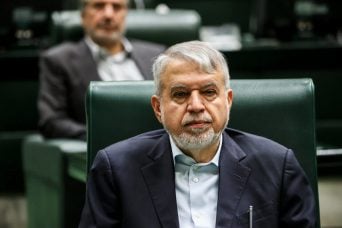
So here we are again—another twist in the intricate dance between Iran’s executive branch and its judiciary, where the latter wields a veto power over government appointments that’s anything but ceremonial. Iranian President Masoud Pezeshkian just dropped a bombshell, pointing out that the judiciary’s objections could throw serious wrenches into his government’s staffing plans. Now, if you think this is just political posturing, think twice—this isn’t your average tug-of-war; it’s a high-stakes game under the watchful eye of Supreme Leader Ayatollah Ali Khamenei. This power play not only puts a spotlight on the judiciary’s clout but also signals palpable limits on Pezeshkian’s presidential autonomy. And here’s the kicker: markets have started sniffing around the possibility of Pezeshkian’s exit, with sentiment shifting subtly yet noticeably. So what’s really going on behind the scenes, and how might this judicial check-mate influence Iran’s political chessboard—and your investment instincts? Hang tight, because this story’s just heating up. LEARN MORE
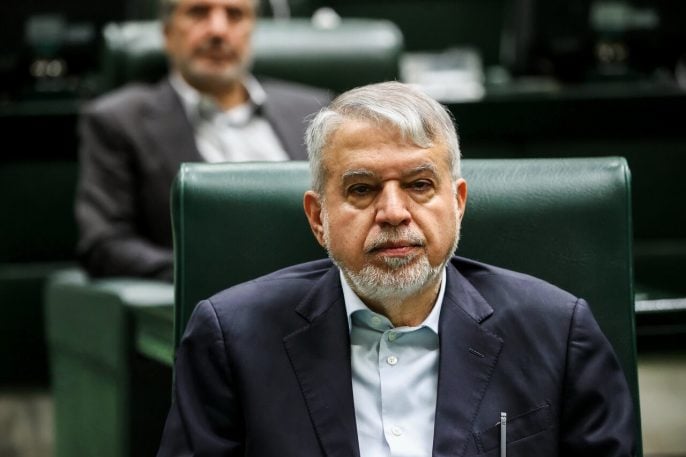
Iranian President Masoud Pezeshkian recently stated that objections from the judiciary could impede government appointments. This statement underscores the judiciary’s influential role in Iran’s political framework, operating under the broader authority of Supreme Leader Ayatollah Ali Khamenei. The judiciary’s power to review and block appointments highlights ongoing constraints on presidential authority, suggesting potential friction between Iran’s executive and judicial branches. This development occurs amid broader political dynamics, with markets observing potential implications for Pezeshkian’s leadership stability.
Key Takeaways
- Pezeshkian’s remarks highlight the judiciary’s capacity to obstruct government appointments, suggesting possible executive challenges.
- Market pricing indicates a slight increase in the perceived likelihood of Pezeshkian’s departure by year-end, now at 10% YES.
- The judiciary’s influence may be viewed as a constraint on Pezeshkian’s ability to govern independently.
What to Watch
Watch for any statements or actions from Iran’s Supreme Leader, Ayatollah Ali Khamenei, or the judiciary that may further indicate internal political shifts. Any public support or criticism from key figures like Mojtaba Khamenei or Ahmad Vahidi could influence market perceptions about Pezeshkian’s political future. Developments in Iran’s domestic policies or international negotiations may also impact the president’s standing and market sentiments.

Active Noise Cancelling Ear Buds Wireless Bluetooth Headphones 80H Playtime Display Charging Case 50dB ANC Over Ear Hooks Earbuds with Hi-Res Sound & Clear Calls for Sports Running Gym Workout Black
$89.96 (as of October 12, 2026 03:32 GMT +00:00 - More infoProduct prices and availability are accurate as of the date/time indicated and are subject to change. Any price and availability information displayed on [relevant Amazon Site(s), as applicable] at the time of purchase will apply to the purchase of this product.)
Benebone Tongue Twister & Peanut Butter Treat Pod Refill 2 Pack, 9 Count | Peanut Butter Flavor, Treat Pod Refills, 9 Count, Puzzle Toy Enrichment, No Prep or Mess, Keeps Dogs Busy
$16.96 (as of October 12, 2026 03:21 GMT +00:00 - More infoProduct prices and availability are accurate as of the date/time indicated and are subject to change. Any price and availability information displayed on [relevant Amazon Site(s), as applicable] at the time of purchase will apply to the purchase of this product.)
Milk-Bone Flavor Snacks Mini’s Dog Treats, 36 Oz. | 5 calories per treat, 15% protein, 3 flavors per canister (beef, chicken & bacon, naturally & artificially flavored)
$11.48 (as of October 12, 2026 03:11 GMT +00:00 - More infoProduct prices and availability are accurate as of the date/time indicated and are subject to change. Any price and availability information displayed on [relevant Amazon Site(s), as applicable] at the time of purchase will apply to the purchase of this product.)
Roku TV Remote Control (Official Manufacturer Product) | Simple Setup & Pre-Set App Shortcuts - Replacement Remote Compatible with RokuTV Models ONLY (Not Roku Players)
$9.99 (as of October 12, 2026 03:21 GMT +00:00 - More infoProduct prices and availability are accurate as of the date/time indicated and are subject to change. Any price and availability information displayed on [relevant Amazon Site(s), as applicable] at the time of purchase will apply to the purchase of this product.)












Post Comment