
Iran’s Stealth Move in Kermanshah: Air Defenses Activated—What This Means for Regional Power Plays and Your Investment Radar
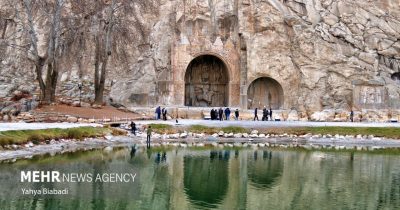
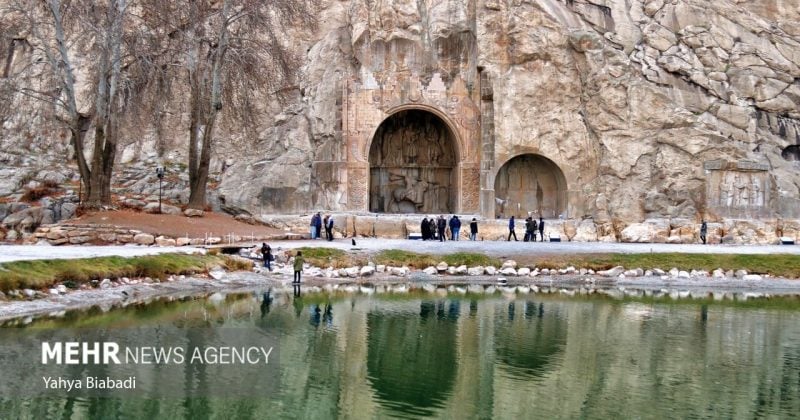
Kermanshah — a city that’s been the cradle of prehistoric cultures — now finds itself at the crossroads of modern military tension. Picture this: air defense systems suddenly activated in a region already simmering with conflict. What’s brewing in western Iran’s military hotspot? It’s not just another geopolitical headline; it’s a chess move in the escalating game between Iran, the U.S., and Israel. The markets are paying close attention — because when air defenses go up, so do the chances of Iran slamming shut its skies. And that, my friend, could shake up everything from trade routes to global supply chains by the end of July. So here’s the kicker — is this just a defensive posture, or the prelude to an airspace lockdown that investors can’t afford to ignore? Strap in, because the stakes are climbing fast. LEARN MORE
Air defense systems have been activated in Kermanshah, a significant military hub in western Iran. This activation comes amid ongoing tensions in the region, part of the continuing conflict involving the United States and Israel against Iran and its allies. The area has been a focal point of military activity, with previous strikes targeting strategic sites. As a result, markets are interpreting this development as potentially escalating the situation, with implications for Iranian airspace management.
The activation suggests that Iranian forces are responding to potential aerial threats, possibly from Israeli or U.S. military actions. This situation has heightened concerns about the possibility of Iran implementing a full airspace closure. Market participants have reacted to these developments, with increased pricing on the likelihood of an airspace closure by the end of July.
The prediction market on Iran’s potential airspace closure by July 31 has seen notable movement, with the likelihood priced at 22.5% YES, up from 16% just 24 hours ago. This significant shift suggests that the current events are seen as increasing the probability of a full closure, with market participants adjusting their expectations accordingly.
Key Takeaways
- Air defenses in Kermanshah suggest a response to immediate military threats, indicating elevated regional tensions.
- Market pricing suggests an increased likelihood of Iran implementing a full airspace closure by July 31, now at 22.5%.
- Recent developments align with scenarios where Iran reacts strongly to perceived external threats, impacting airspace management.
What to Watch
Observers should monitor any official announcements from the Civil Aviation Organization of Iran regarding airspace status. Further military actions or statements from key actors such as the U.S. or Israeli governments could influence market expectations. Any confirmation of heightened military activity or direct threats could further support scenarios leading to a full airspace closure by the end of July.
Get live prediction-market analysis, powered by Vera. Sign up for Vera.

Samsung 65-Inch Class Crystal UHD U8000H Series Samsung Vision AI Smart TV (2026 Model, 65U8000H) Processor 4K, Endless Free Content, Motion Xcelerator, Color Booster, Alexa Built-in
$377.99 (as of October 7, 2026 03:27 GMT +00:00 - More infoProduct prices and availability are accurate as of the date/time indicated and are subject to change. Any price and availability information displayed on [relevant Amazon Site(s), as applicable] at the time of purchase will apply to the purchase of this product.)
(2 Pack) Replacement Remote Control for Roku TV, for TCL Roku/Onn Roku TVs | for Hisense Roku/Sharp Roku/Element Roku/Westinghouse Roku/Philips Roku Smart TV (Not for Stick & Box) Ready Out of the Box
$8.48 (as of October 7, 2026 03:20 GMT +00:00 - More infoProduct prices and availability are accurate as of the date/time indicated and are subject to change. Any price and availability information displayed on [relevant Amazon Site(s), as applicable] at the time of purchase will apply to the purchase of this product.)
Purina Fancy Feast Grilled Seafood Wet Cat Food, 3 oz Cans, 24-Pack | Variety Pack, crafted with real seafood in savory gravy. Made with no Artificial Colors or Preservatives.
$22.86 (as of October 7, 2026 03:10 GMT +00:00 - More infoProduct prices and availability are accurate as of the date/time indicated and are subject to change. Any price and availability information displayed on [relevant Amazon Site(s), as applicable] at the time of purchase will apply to the purchase of this product.)
Pur Luv Dog Treats, Chicken Jerky Dog Treat with Real Chicken Breast, 16 oz | High protein and low fat, Limited ingredient recipe, No artificial flavors or preservatives, Satisfies instinct to chew
$11.38 (as of October 7, 2026 03:10 GMT +00:00 - More infoProduct prices and availability are accurate as of the date/time indicated and are subject to change. Any price and availability information displayed on [relevant Amazon Site(s), as applicable] at the time of purchase will apply to the purchase of this product.)













Post Comment