
Ireland-UK Relations Show Resilience, But What Hidden Challenges Could Still Shake the EU-UK Business Landscape?
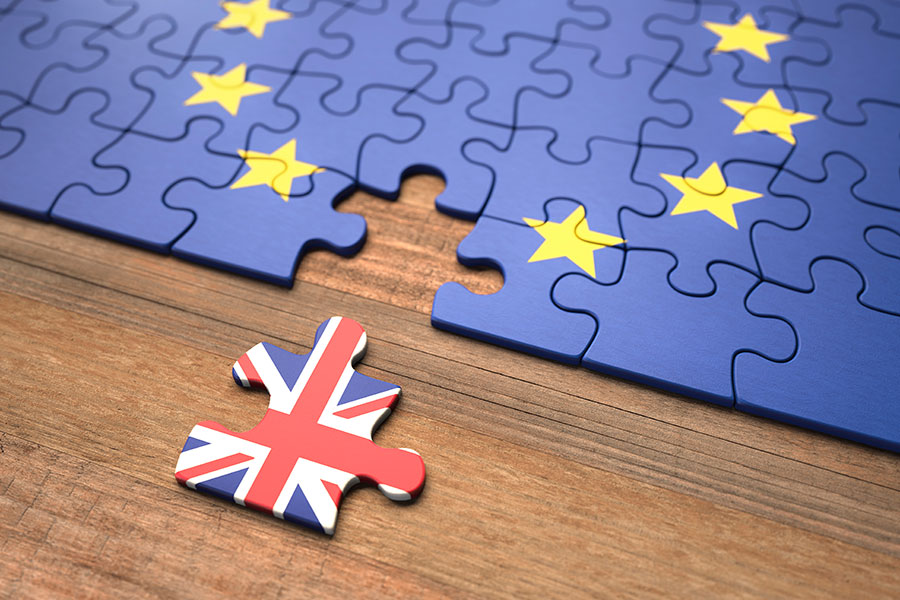
It’s been a wild ride since that landmark Brexit vote a decade ago, hasn’t it? The tangled web of relationships between Ireland, the UK, and the EU seems to be settling into a somewhat steadier rhythm—finally. But don’t let “stable phase” fool you into thinking all the hard yards are behind us. Nope, beneath the surface, some hefty issues still need ironing out, from regulatory quirks to those pesky sanitary and phytosanitary rules that can make or break agri-food trade. I found myself wondering: Can these historic neighbors truly move past their old dance of disagreement, or are new twists and turns inevitable? Last night’s Matheson-hosted briefing in Dublin, featuring heavy hitters like Simon Coveney and Gideon Rachman, painted a picture of cautious optimism mixed with pragmatic realism — the kind of blend that business leaders absolutely need to keep an eye on as they map out future investments and strategies. Curious to see how these evolving dynamics could reshape the playing field? Dive into the details here: LEARN MORE.
The relationship between Ireland and the UK has entered a more stable phase a decade on from the Brexit vote, a business briefing hosted by law firm Matheson has heard.
However, there are a number of “substantive issues still to be resolved” between the EU and the UK despite progress being made since Britain left the bloc in early 2020.
Relations between the UK, Ireland and the EU were at the centre of the discussion at the Matheson event hosted by British Ambassador to Ireland Kara Owen at her official residence in Dublin last night.
The event saw contributions from former Tánaiste and Minister for Foreign Affairs Simon Coveney, and the Financial Times’ chief foreign affairs commentator Gideon Rachman, alongside Matheson managing partner Darren Maher, who each reflected that progress has been made and that work remains to be done.
Coveney reflected on how the tone and substance of engagement have shifted, and underlined how the focus now needs to shift to areas of mutual interest.
Rachman, based on his reporting across Europe and beyond, set out how these relationships are now viewed internationally.
There was a clear sense of momentum in the Ireland–UK relationship, with the outcomes of the recent Cork Summit, the bilateral summit between the Irish and UK governments, seen as an important step in resetting engagement between the two governments. EU–UK relations, by contrast, remain under active negotiation.
The expected EU–UK Summit in the autumn is likely to be a significant moment, particularly in advancing cooperation on energy and a potential sanitary and phytosanitary (SPS) agreement, an area of particular relevance for food and agri-food businesses operating across the island of Ireland.
There was also a consistent view that closer alignment will be required on security and defence. For businesses, the direction of travel is becoming clearer despite complexity remaining.
Questions around regulatory divergence, market access and cross-border investment continue to shape decision-making for companies operating across Ireland, the UK and the EU.
While uncertainty has not fully receded, the operating environment is clearer than it has been in recent years.

“There is a clearer sense now of how the relationships between Ireland and the UK and the UK and the EU are evolving, but also a recognition that some of the more difficult issues, including regulatory divergence and the SPS framework, are still playing out,” said Darren Maher, managing partner at Matheson.
“That has practical implications for businesses making decisions on investment, structure and market access.”
Photo: (l-r) Darren Maher, managing partner at Materson; Kara Owen, British Ambassador to Ireland, ; Gideon Rachman, chief foreign affairs commentator of the Financial Times; and Simon Coveney, former Tánaiste and Minister for Foreign Affairs. (Pic: Supplied)

WARCAT automatic Litter Box丨Open Top, Child Lock, Gray&White | 10 sensors + child lock, 10L sealed drawer holds 10 days, no app/WiFi, open-top, works with any clumping litter, bags+mat.
$99.99 (as of October 19, 2026 03:22 GMT +00:00 - More infoProduct prices and availability are accurate as of the date/time indicated and are subject to change. Any price and availability information displayed on [relevant Amazon Site(s), as applicable] at the time of purchase will apply to the purchase of this product.)
STRELLALAB Hemp Calming Chews for Dogs - Stress, Anxiety Relief Treats | Advanced Relaxing Support Supplement w/ Melatonin - Separation, Barking, Fireworks & Travel - All Breeds, Sleep Aid (120Ct)
$17.91 (as of October 19, 2026 03:22 GMT +00:00 - More infoProduct prices and availability are accurate as of the date/time indicated and are subject to change. Any price and availability information displayed on [relevant Amazon Site(s), as applicable] at the time of purchase will apply to the purchase of this product.)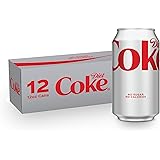
Diet Coke Soda Soft Drink Cans, 12 fl oz, 12 Pack | No sugar, no calories, 46 mg caffeine per can
$7.68 (as of October 19, 2026 03:10 GMT +00:00 - More infoProduct prices and availability are accurate as of the date/time indicated and are subject to change. Any price and availability information displayed on [relevant Amazon Site(s), as applicable] at the time of purchase will apply to the purchase of this product.)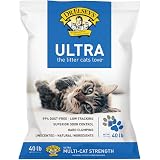
Dr. Elsey's Ultra UnScented Clumping Clay Cat Litter 40 lb. Bag
$22.99 (as of October 19, 2026 03:12 GMT +00:00 - More infoProduct prices and availability are accurate as of the date/time indicated and are subject to change. Any price and availability information displayed on [relevant Amazon Site(s), as applicable] at the time of purchase will apply to the purchase of this product.)













Post Comment