
Is the £35 BA Avios cancellation fee secretly your smartest travel hack yet?

You ever find yourself mid-pack, bags sprawled across the bed, wondering if that reward flight you snagged on Avios is worth the hassle if your plans suddenly twist? Most people eyes light up at business class deals or those magical redemption rates, but how often do they think about unraveling those bookings—especially with the chaos that modern travel throws at us? Believe me, I’ve seen the power hidden in the little-known art of undoing Avios reward flights for a mere £35 fee. Sounds like just a small administrative blip on the radar, right? But what’s fascinating—and frankly a bit thrilling—is how this tiny cost grants you a kind of rare freedom in today’s turbulent skies, sometimes even trumping the value of the original redemption. Whether it’s a last-minute change of heart or the unpredictable whim of airline schedules, this £35 “escape hatch” might just be your smartest travel move yet. Curious how this works and why it’s a game-changer in uncertain times? Buckle up, because I’m about to break down why embracing the cancellation fee isn’t a penalty—it’s your secret weapon when navigating reward travel with British Airways. LEARN MORE

When most people think about Avios, they think about reward seat redemption rates, business class flights, and the satisfaction of “getting a deal”. They certainly don’t think about flight cancellation compensation. But, in my opinion, one of the most powerful — and least discussed — features of the entire ecosystem is not how you book reward flights, but how easily and cheaply you can undo them.

For a fixed fee of £35 per person, British Airways Club members can cancel Avios reward flights and receive their Avios and associated taxes back. On the surface, this appears to be a simple administrative policy. But in reality, it creates a level of flexibility that is increasingly rare in modern air travel — and in some cases, more valuable than the redemption itself.
Here’s why I think the £35 British Airways reward seat cancellation fee should not be seen as a penalty, but as a strategic tool whenever you use a British airways flight checker. Especially in today’s uncertain aviation environment. Where if, the latest headlines are to be believed, travel instability looks quite likely over the coming months.
The mechanics: what the £35 fee actually gives you
British Airways allows BA Club members to cancel most Avios reward seat redemption bookings before departure in exchange for a small fixed fee per passenger. When you do this, your Avios are fully refunded, and taxes and carrier charges are refunded (minus the cancellation fee of £35pp).

At face value, this seems like a modest convenience feature. And indeed it is. However, when viewed through the lens of Avios travel strategy rather than simple booking rules, it becomes something far more powerful: a low-cost exit option from any reward booking, should you change your mind, or circumstances require it.
The hidden value: optionality in travel planning
One of the most underappreciated advantages of Avios reward bookings is the ability to secure flights early without committing fully to the final travel decision. This creates a “hidden value” that goes beyond Avios redemption rates alone. It introduces flexibility, timing advantage, and reduced risk into the booking process. Simply put, you can lock in travel plans, and change them later – as you see fit – with a minimal monetary fee. I’ve used this tip myself a few years ago, when I booked one set of British Airways reward seats to New York, but then cancelled and rebooked a different route (Florida) because my preferred seats had been released closer to departure date.
In practical terms, this means travellers can lock in scarce reward seats as soon as they appear, monitor for better availability or schedule changes over time, or even rebook or cancel if a better redemption opportunity arises, as I did. This transforms Avios bookings from fixed commitments, ala cash fares, into dynamic, adjustable positions.
How Avios compares to cash fares
To understand the value of the £35 cancellation fee, it helps to compare it with the flexibility offered by cash fares.
Airlines sell multiple cash fare types with very different rules.

With the typical cheapest cash ticket, a cancellation typically gets you no refund – although you may get the airport taxes back. Some airlines offer travellers a voucher or credit (sometimes with a fee). The reality is that you’ll often lose most of what you paid. Not particularly convenient if you’ve saved for a big ticket trip, or want to book something with another airline.
A step up from basic fares – standard or semi flex fares often provide airline credit for a cancelled booking, but a cancellation fee applies, or you’ll pay a fare difference if you rebook. Some of the original value is retained here, but it’s not fully flexible. So not entirely ideal.
Flexible/fully refundable fares are the most expensive cash tickets available. You pay significantly more upfront for the flexibility offered on your booking, but you do get a full refund to your original payment method if there’s a problem. I’d never recommend opting for this type of ticket, unless you’re adamant on a cash booking and there’s a high likelihood plans will change.
If the airline cancels your booking, there’s an important distinction (a saving grace in the current travel climate). Under UK/EU rules for flight cancellation compensation you’ll receive a full refund or rebooking. However, “extraordinary circumstances”, such as the current fuel shortages can actually mean re-routing, rather than cancelling, which isn’t convenient for anyone. Especially families, who may already find navigating travel days a slog.
In contrast, Avios reward flights offer a far simpler structure. You benefit from a full Avios refund, full refund of taxes and fees (minus £35pp), and no fare recalculation risk when cancelling your booking. This creates a form of low-cost optionality that is particularly precious for frequent travellers or those booking far in advance.
Everything you need to plan your trip in 2026
.kb-row-layout-id200850_b13335-cf > .kt-row-column-wrap{align-content:start;}:where(.kb-row-layout-id200850_b13335-cf > .kt-row-column-wrap) > .wp-block-kadence-column{justify-content:start;}.kb-row-layout-id200850_b13335-cf > .kt-row-column-wrap{column-gap:var(–global-kb-gap-md, 2rem);row-gap:var(–global-kb-gap-md, 2rem);padding-top:var(–global-kb-spacing-sm, 1.5rem);padding-bottom:var(–global-kb-spacing-sm, 1.5rem);grid-template-columns:repeat(2, minmax(0, 1fr));}.kb-row-layout-id200850_b13335-cf > .kt-row-layout-overlay{opacity:0.30;}@media all and (max-width: 1024px){.kb-row-layout-id200850_b13335-cf > .kt-row-column-wrap{grid-template-columns:repeat(2, minmax(0, 1fr));}}@media all and (max-width: 767px){.kb-row-layout-id200850_b13335-cf > .kt-row-column-wrap{grid-template-columns:minmax(0, 1fr);}}
.kadence-column200850_86c954-cc > .kt-inside-inner-col,.kadence-column200850_86c954-cc > .kt-inside-inner-col:before{border-top-left-radius:0px;border-top-right-radius:0px;border-bottom-right-radius:0px;border-bottom-left-radius:0px;}.kadence-column200850_86c954-cc > .kt-inside-inner-col{column-gap:var(–global-kb-gap-sm, 1rem);}.kadence-column200850_86c954-cc > .kt-inside-inner-col{flex-direction:column;}.kadence-column200850_86c954-cc > .kt-inside-inner-col > .aligncenter{width:100%;}.kadence-column200850_86c954-cc > .kt-inside-inner-col:before{opacity:0.3;}.kadence-column200850_86c954-cc{position:relative;}@media all and (max-width: 1024px){.kadence-column200850_86c954-cc > .kt-inside-inner-col{flex-direction:column;}}@media all and (max-width: 767px){.kadence-column200850_86c954-cc > .kt-inside-inner-col{flex-direction:column;}}
Why volatility in aviation makes flexibility more valuable
The aviation industry is currently experiencing a period of sustained disruption and uncertainty. Fuel supply pressures, operational constraints, geopolitical instability, and broader capacity challenges have all contributed to increased volatility in flight schedules.

Recent reporting highlights ongoing concerns around flight cancellations and operational chaos across multiple airlines, driven in part by fuel supply issues and wider global pressures. This is particularly true for summer bookings – peak travel season for many.
In this environment, the difference between cash and British Airways reward seat redemption bookings becomes more pronounced. Cash fares expose travellers to airline-led disruption with minimal protection, including cancellations, schedule changes, and refund uncertainty. Reward bookings found with a British airways flight checker, by contrast, offer a calm, controlled exit route through the £35 cancellation mechanism.
A behavioural advantage used by experienced collectors
For experienced Avios collectors, the cancellation fee is not simply a safety net — it is part of an active booking strategy. I’d always encourage people to book flights early to secure reward seats (especially given that availability is limited per flight), monitor availability changes over time using a reward flight finder, as well as cancel and rebook when better cabins or routes appear.
The £35 fee as an option premium
In financial terms, the £35 cancellation fee behaves less like a penalty and more like an option premium.
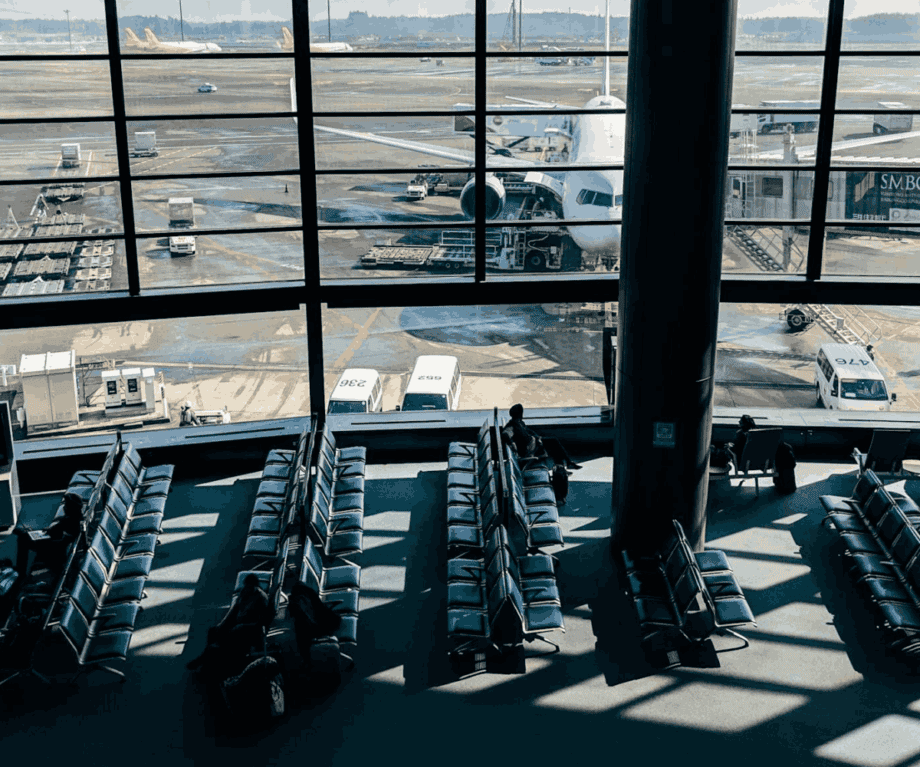
For a small fixed cost, travellers gain protection against rising cash fares, the flexibility to exit without major financial loss, and the ability to rebook quickly if conditions do change. This becomes especially powerful on long-haul and high-demand routes, such as Tokyo or the Caribbean, where availability fluctuates significantly over time and last-minute pricing and flight cancellation compensation is often unpredictable.
Control is the real currency of Avios
Most collectors talk about Avios in terms of reward seat redemption value — how far points can stretch, or which cabins offer the best “value per point.” But the £35 cancellation fee reveals something more fundamental about the programme. That the real value of Avios is not just in redemption, but in control.
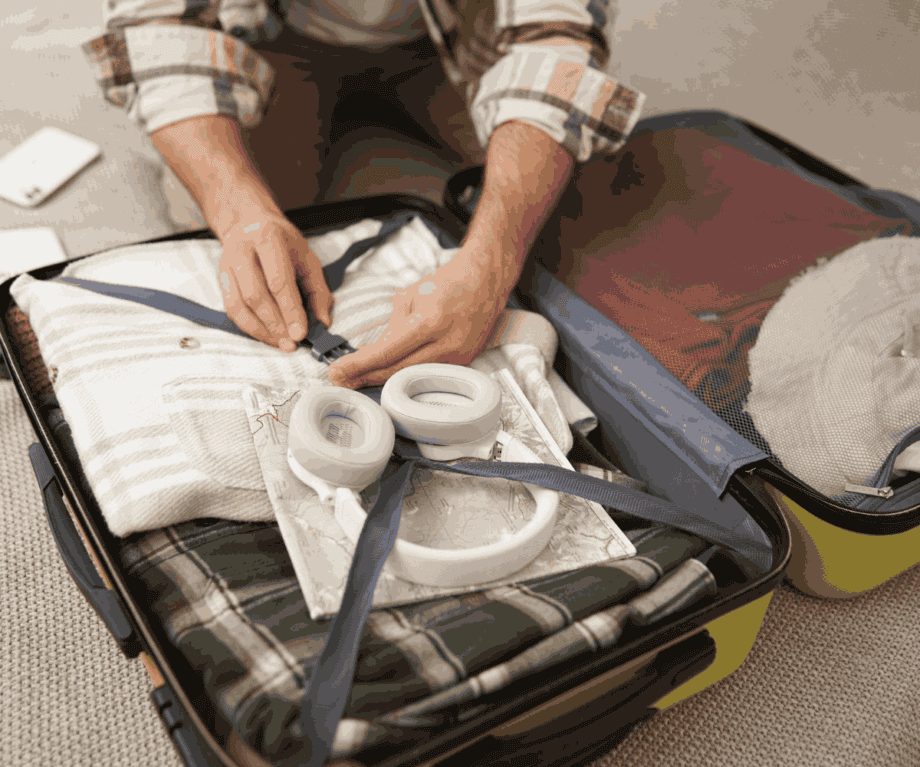
In a travel landscape defined by volatility, disruption, and increasingly unpredictable airline behaviour and flight cancellation compensation, the ability to cancel and rebook cheaply using a British airways flight checker is not a minor perk — it is a major advantage. Particularly against cash bookings right now.
In my opinion, the £35 fee is not something to avoid. It’s a mechanism that makes Avios bookings strategically superior to cash fares in an uncertain world, rather than relying on flight cancellation compensation.

Kayleigh Hepworth
Kayleigh Hepworth is Head of Marketing at Reward Flight Finder. Reward Flight Finder is the perfect tool to search for British Airways reward flights. If you would like to be a guest blogger on A Luxury Travel Blog in order to raise your profile, please contact us.
Did you enjoy this article?
Receive similar content direct to your inbox.
.kadence-form-193324_b35617-ee .kadence-blocks-form-field.kb-submit-field { display: none; }

Beats Solo 4 - Wireless On-Ear Bluetooth Headphones, Up to 50-Hour Battery Life, Ultra-Lightweight Comfort, Powerful and Balanced Sound, Apple & Android Compatible - Matte Black
$149.95 (as of October 15, 2026 03:21 GMT +00:00 - More infoProduct prices and availability are accurate as of the date/time indicated and are subject to change. Any price and availability information displayed on [relevant Amazon Site(s), as applicable] at the time of purchase will apply to the purchase of this product.)
Roku TV Remote Control (Official Manufacturer Product) | Simple Setup & Pre-Set App Shortcuts - Replacement Remote Compatible with RokuTV Models ONLY (Not Roku Players)
$9.99 (as of October 15, 2026 03:21 GMT +00:00 - More infoProduct prices and availability are accurate as of the date/time indicated and are subject to change. Any price and availability information displayed on [relevant Amazon Site(s), as applicable] at the time of purchase will apply to the purchase of this product.)
BarkBox LICKSTERS Peanut Butter & Beef Treat Refills - Medium and Large | Peanut Butter & Beef Recipe Dog Treats - Probiotics for Gut Health, No Corn or Soy, Made in the USA - For LICKSTERS Toy
$14.99 (as of October 15, 2026 03:21 GMT +00:00 - More infoProduct prices and availability are accurate as of the date/time indicated and are subject to change. Any price and availability information displayed on [relevant Amazon Site(s), as applicable] at the time of purchase will apply to the purchase of this product.)
Monster Energy Zero Ultra, Sugar Free Energy Drink, 16 Ounce | Pack of 15
$26.98 (as of October 15, 2026 03:09 GMT +00:00 - More infoProduct prices and availability are accurate as of the date/time indicated and are subject to change. Any price and availability information displayed on [relevant Amazon Site(s), as applicable] at the time of purchase will apply to the purchase of this product.)














Post Comment