
Is Your Daily Air Intake Secretly Sabotaging Your Brainpower? Here’s What You Need to Know!
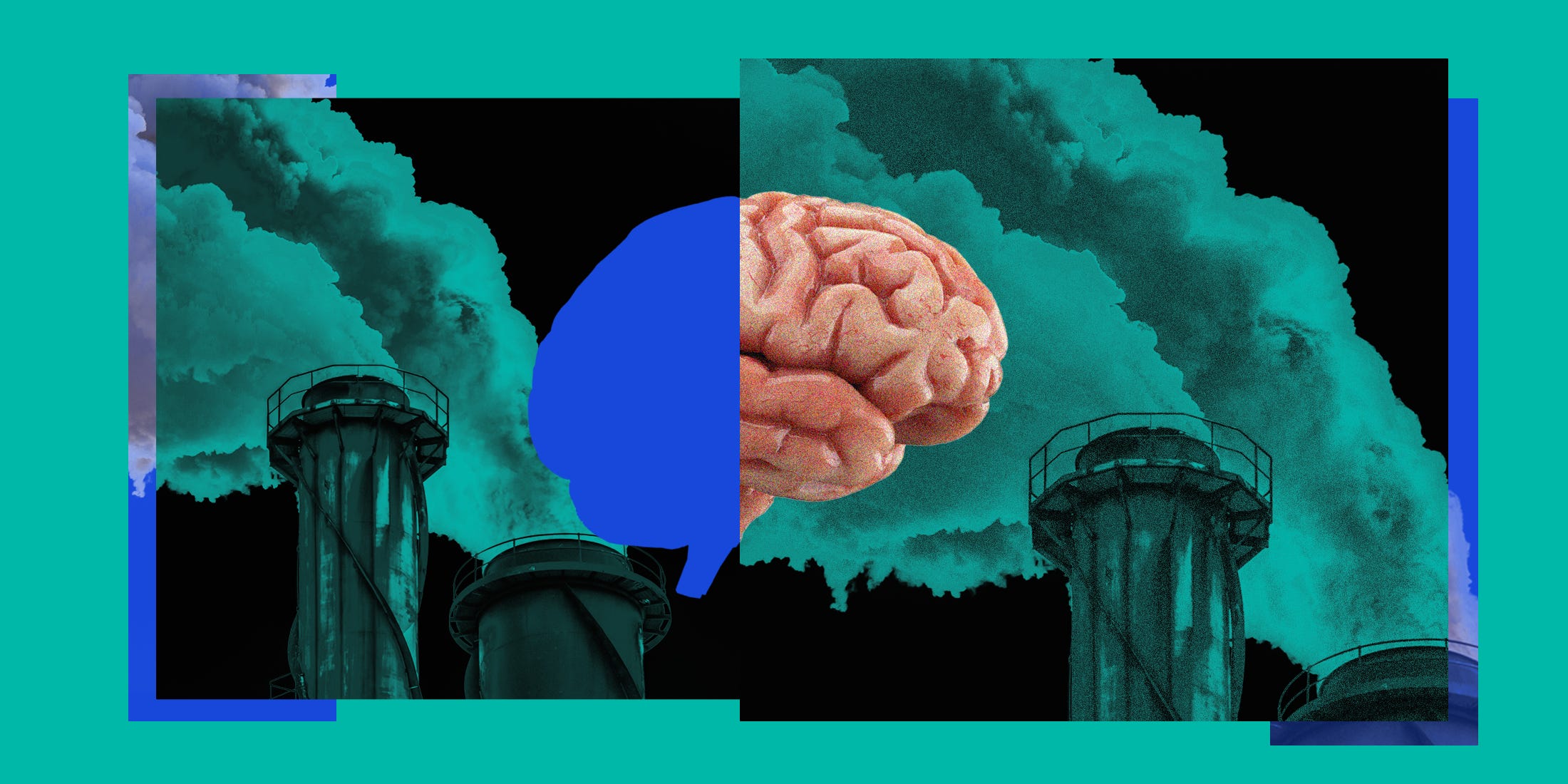
Ever stopped to wonder if the air you’re breathing could be quietly messing with your brain power? We all know air pollution isn’t great for your lungs or heart – but here’s a twist for you: new research from Canada reveals even low levels of pollution might be linked to slipping cognitive skills. Yup, that haze around the city isn’t just a pesky backdrop; it could nudge your brain’s sharpness downwards over time, especially for women. I mean, isn’t it wild that what’s floating in the air might impact how well you think, remember, or process info? No need to freak out, but maybe it’s time to rethink how we handle the air around us – because keeping a clear head might start with the air you inhale every single day. Curious why this matters and what you can do about it? LEARN MORE
 3 min read
- A new study out of Canada found that even relatively low levels of air pollution were linked to poorer brain function.
- Some effects were seen more in women than in men.
- Experts maintain that while more research is needed, taking steps to reduce exposure to chronic pollution is always a good thing.
While we know that exposure to air pollution isn’t healthy, many of the existing concerns about pollution have to do with the potential impact on your lungs and heart. But now, the latest research suggests living in a polluted area could impact your brain health, too.
The study, published in the journal Stroke, found a link between regular exposure to air pollution and lower cognitive performance. Over time, that can increase your risk of dementia, according to Russell Jude de Souza, ScD, RD, senior study author and associate professor in the Mary Heersink School of Global Health and Social Medicine and the Department of Health Research Methods, Evidence, and Impact at McMaster University.
This doesn’t mean you should panic if you live in a city where air quality isn’t the best. But it does suggest that you should consider taking steps to clean up the air you breathe when you can. Here’s why.
Meet the experts: Russell Jude de Souza, ScD, RD, senior study author and associate professor in the Mary Heersink School of Global Health and Social Medicine and Department of Health Research Methods, Evidence, and Impact at McMaster University; Davide Cappon, PhD, neuropsychologist at Tufts Medical Center; and Clifford Segil, DO, a neurologist at Providence Saint John’s Health Center in Santa Monica, California.
What did the study find?
For the cross-sectional study, researchers examined cognitive test performance and MRI data from nearly 7,000 middle-aged adults in Canada. They then cross-referenced that with air pollution data, looking specifically at average levels of exposure to common air pollutants, nitrogen dioxide, and fine particulate matter known as PM2.5.
After analyzing the data, researchers found that people living in areas with higher levels of air pollution scored lower on tests measuring memory, understanding, and mental speed. This effect was also observed among people living in areas with air pollution levels considered low by international standards.
People exposed to higher levels of pollution from traffic even had small signs of brain damage, based on MRI scans. This effect was seen more in women than in men.
“We wanted to understand whether the everyday exposures…levels many people assume are ‘safe,’ might already be associated with subtle changes in cognition and brain health in midlife,” de Souza says.
While the study was conducted in Canada, de Souza points out that air pollution levels in Canada and in many parts of the U.S. are considered relatively low. “This underscores a key point from our study: Even in countries and cities that perform relatively well by international standards, pollution levels that are considered ‘low’ or ‘acceptable’ may still have measurable implications for brain health.”
Why might air pollution impact cognitive function?
Experts say it may be a few things. Tiny particles of air pollution can spark oxidative stress and inflammation in your body—including the brain—which can disrupt the blood-brain barrier that normally protects it, de Souza says. “Air pollution can also worsen conditions such as high blood pressure, diabetes, and obesity, which are themselves linked to cognitive decline,” he adds.
“The brain depends heavily on healthy blood flow and oxygen delivery, so over time, chronic exposure to pollution may subtly affect attention, processing speed, and memory,” says Davide Cappon, PhD, neuropsychologist at Tufts Medical Center.
Ultimately, “what we breathe in can cause effects on more than our lungs,” says Clifford Segil, DO, a neurologist at Providence Saint John’s Health Center in Santa Monica, California.
What’s the takeaway?
While de Souza stresses that the exact way air pollution may affect dementia risk isn’t entirely clear, experts agree that it’s never a bad thing to do what you can to clean up your air.
“Brain health is connected to the environment around us,” Cappon says. “Things like improving indoor air quality, avoiding smoke exposure, and maintaining good cardiovascular health are reasonable steps.” He notes that using an air purifier alone is “not a magic brain booster,” but doing what you can to reduce your chronic exposure to pollution could help support your long-term cognitive health.
This is especially true for women, according to de Souza. “Women make up most people living with dementia, largely because they live longer, but biology and environmental exposures may also play a role,” he says. “Understanding whether common, low‑level exposures like air pollution contribute to early cognitive changes is particularly important for women, because prevention efforts likely need to begin decades before symptoms appear.”
Korin Miller is a freelance writer specializing in general wellness, sexual health and relationships, and lifestyle trends, with work appearing in Men’s Health, Women’s Health, Self, Glamour, and more. She has a master’s degree from American University, lives by the beach, and hopes to own a teacup pig and taco truck one day.
Carina Hsieh, MPH, is the deputy features editor of Women’s Health. She has more than a decade’s worth of experience working in media and has covered everything from beauty, fashion, travel, lifestyle, pets, to health.
She began her career as an intern in the fashion closet at Cosmopolitan where she worked her way up to Senior Sex & Relationships Editor. While covering women’s health there, she discovered her passion for health service journalism and took a break to get her Masters in Public Health. Post-grad school, she worked as a freelance writer and as The Daily Beast’s first Beauty, Health, and Wellness Reporter.
Carina is an alum of the Fashion Institute of Technology and the Yale School of Public Health. She and her French Bulldog, Bao Bao, split their time between Brooklyn and Connecticut. She enjoys reformer Pilates, (slow) running, and smelling the fancy toiletries in boutique fitness class locker rooms.
Wireless Earbuds, 2026 Bluetooth 5.4 Headphones Bass Stereo Ear Buds with Noise Cancelling Mic, LED Display in Ear Earphones 50H Playtime Ear Buds, IP7 Waterproof for Laptop Pad Phones Pure Black
$19.99 (as of October 11, 2026 03:30 GMT +00:00 - More infoProduct prices and availability are accurate as of the date/time indicated and are subject to change. Any price and availability information displayed on [relevant Amazon Site(s), as applicable] at the time of purchase will apply to the purchase of this product.)
Portable Outdoor Cat Enclosure 27" Mesh Ball Cat Cage | Collapsible Breathable Pet Playpen with Zipper, Lightweight Pop-Up Safe Enclosure for Indoor Lawn Travel
$45.99 (as of October 11, 2026 03:20 GMT +00:00 - More infoProduct prices and availability are accurate as of the date/time indicated and are subject to change. Any price and availability information displayed on [relevant Amazon Site(s), as applicable] at the time of purchase will apply to the purchase of this product.)
PAYHTOW Dog Halloween Costumes, Funny Dog Killer Doll Costume with Wig and Knife, Adjustable Pet Halloween Cosplay Costume for Small Medium Large X-Large Dogs (Small)
$11.99 (as of October 11, 2026 03:20 GMT +00:00 - More infoProduct prices and availability are accurate as of the date/time indicated and are subject to change. Any price and availability information displayed on [relevant Amazon Site(s), as applicable] at the time of purchase will apply to the purchase of this product.)
Amazon Kindle Paperwhite Signature Edition 32GB (newest model), Thinner, new aluminum design, 7" display, Auto-adjusting front light, Seaglass Green
$249.99 (as of October 11, 2026 03:30 GMT +00:00 - More infoProduct prices and availability are accurate as of the date/time indicated and are subject to change. Any price and availability information displayed on [relevant Amazon Site(s), as applicable] at the time of purchase will apply to the purchase of this product.)














Post Comment