
Kalshi and Coinbase Score a Game-Changing Win in Illinois—Is This the Legal Breakup That Could Reshape Sports Betting Forever?

Imagine a courtroom drama where the fate of sports event contracts teeters between state gambling laws and federal derivatives oversight — now add Kalshi and Coinbase stepping up as the underdogs challenging the old guard. On October 2, 2026, US District Judge Martha M. Pacold handed them a significant partial victory in Illinois, signaling a shift in who calls the shots over this frontier of financial innovation. But hold on — this win isn’t a clean sweep. While Illinois licensing rules got flagged as likely clashing with federal law, the saga around state-imposed transaction fees remains unresolved, leaving the plot thick with suspense. So here’s the million-dollar question: can federal law truly outmuscle state regulations in this fast-evolving space, or are we just witnessing the opening act of a prolonged battle for control? Buckle up, because this fight has implications far beyond Illinois, potentially reshaping how we think about prediction markets and crypto platforms nationwide. LEARN MORE

Kalshi and Coinbase just won a meaningful round in the fight over who gets to regulate sports event contracts. On October 2, 2026, US District Judge Martha M. Pacold granted a partial preliminary injunction in Illinois, siding with the two companies and the Commodity Futures Trading Commission against state officials.
The win comes with an asterisk. The judge found that Illinois licensing requirements likely conflict with federal derivatives law, but she left the state’s transaction fee rules unresolved and told the parties to come back with proposed injunction terms.
What the court decided
The core question was preemption. That is the legal doctrine under which federal law overrides state law when the two collide.
Judge Pacold concluded that certain Illinois licensing requirements, including provisions under 230 ILCS 45, likely conflict with the federal Commodity Exchange Act. The CEA governs swaps and other derivatives, and it places them under the jurisdiction of the CFTC.
The plaintiffs’ argument hinges on classification. If Kalshi’s sports event contracts count as swaps under the CEA, they fall under exclusive federal oversight rather than state gambling law.
The court’s ruling supported that line of reasoning, at least at this preliminary stage. A preliminary injunction is not a final judgment. It reflects the court’s view that the plaintiffs are likely to succeed, which is encouraging for them but not the same as winning the case.
The fee question is a different story. The court did not settle whether Illinois can apply its transaction fee rules to these contracts and asked for further briefing on that issue.
The parties now have homework. They must propose the specific terms of the injunction, which will determine how far the state’s hands are actually tied in practice.
How Kalshi and Coinbase got here
Kalshi is not a newcomer to federal oversight. It has been a CFTC-registered designated contract market, or DCM, since November 2020.
The company began offering trading on sports event contracts in January 2025. These let users take positions on the outcomes of games, which looks a lot like sports betting to state regulators and a lot like derivatives trading to Kalshi.
Coinbase entered the picture in December 2025, when it announced a partnership with Kalshi to give its users access to those contracts.
The CFTC’s presence as a co-plaintiff is notable. Having the federal regulator argue alongside the companies signals that the agency views these contracts as squarely within its territory.
Illinois is one front in a much wider conflict. Similar challenges have played out across multiple states, and courts have issued conflicting opinions on whether sports-related contracts belong to federal derivatives regulators or state gambling authorities.
What this means for prediction markets and crypto platforms
The unresolved fee issue deserves attention. Transaction fees directly affect platform economics, and a state that loses on licensing but retains some fee authority could still shape whether operating there is profitable. Watch the forthcoming briefing closely.
The injunction terms matter too. A narrowly drafted order could leave Illinois with room to maneuver, while a broad one would more fully clear the way for Kalshi and Coinbase customers in the state.
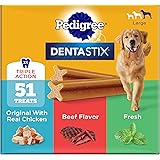
Pedigree Dentastix Large Breed Dental Dog Treats, Variety, 51 Count | Original Chicken, Beef, and Fresh flavors, reduces plaque and tartar buildup, cleans teeth, freshens breath, for dogs 40+ lbs
$23.98 (as of October 23, 2026 03:13 GMT +00:00 - More infoProduct prices and availability are accurate as of the date/time indicated and are subject to change. Any price and availability information displayed on [relevant Amazon Site(s), as applicable] at the time of purchase will apply to the purchase of this product.)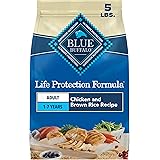
Blue Buffalo Life Protection Formula Chicken Adult Dry Dog Food, 5 lb | Real Chicken #1 Ingredient, Supports Immunity with Antioxidant-Rich LifeSource Bits, Promotes Healthy Muscle Development
$14.97 (as of October 23, 2026 03:13 GMT +00:00 - More infoProduct prices and availability are accurate as of the date/time indicated and are subject to change. Any price and availability information displayed on [relevant Amazon Site(s), as applicable] at the time of purchase will apply to the purchase of this product.)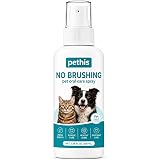
PETHIS No Brushing Dog & Cat Teeth Cleaning Spray - Dog Breath Freshener & Plaque Remover, Pet Oral Care Spray for Dogs and Cats Tartar Control & Healthy Gums 3.38 fl oz / 100ml
$26.99 (as of October 22, 2026 03:22 GMT +00:00 - More infoProduct prices and availability are accurate as of the date/time indicated and are subject to change. Any price and availability information displayed on [relevant Amazon Site(s), as applicable] at the time of purchase will apply to the purchase of this product.)
Dog Dental Wipes for Teeth Cleaning, Finger Toothbrush Wipes for Dogs Cats,Dog Teeth Cleaning Wipes Reduce Bad Breath & Plaque Tartar, No-Rinse Daily Oral Care,Dog Toothbrush & Toothpaste Alternatives
$15.95 (as of October 22, 2026 03:22 GMT +00:00 - More infoProduct prices and availability are accurate as of the date/time indicated and are subject to change. Any price and availability information displayed on [relevant Amazon Site(s), as applicable] at the time of purchase will apply to the purchase of this product.)











Post Comment