
Kuwait’s Oil Comeback Clock Starts Ticking: 12 Weeks to Restore Output After Hormuz Shakeup—What Investors Need to Watch Now

Just when we thought the oil supply drama might cool off like a calm sea breeze, Kuwait steps in to remind us that patience isn’t just a virtue—it’s a necessity. Kuwait Petroleum Corporation’s latest word? We’re looking at a hefty 10 to 12 weeks before their oil production revs back up to full throttle once the Strait of Hormuz swings open again. That’s a far cry from the blink-and-you-miss-it bounce the markets were hoping for. Imagine counting on a speedy recovery, only to realize the fuel’s gonna trickle in slower than you expected—kind of like waiting for your favorite restaurant to reopen after renovations, only they tell you dinner’s coming in stages. It begs the question: how do traders and investors adjust their sails when the oil tides rise slower, but surely? Stick around, because this timeline tweak isn’t just about barrels and pipelines—it’s a game-changer rippling through inflation, energy costs, and yes, even crypto markets. LEARN MORE

Kuwait just threw cold water on the market’s optimism about a quick oil supply snapback. Kuwait Petroleum Corporation says it will take 10 to 12 weeks to fully restore oil production once the Strait of Hormuz reopens, a timeline that is meaningfully longer than what many energy traders have been pricing in.
The estimate came from KPC’s managing director for international marketing, Shaikh Khaled Ahmad Al-Sabah, speaking at the S&P Global Energy Middle East Petroleum and Gas Conference on June 3. In English: even if the Strait opens tomorrow, the world won’t see Kuwait’s full oil output until sometime in August or September.
The recovery math doesn’t add up to quick
Here’s the breakdown. KPC expects to reach roughly 70% of normal production levels within six to eight weeks of Hormuz reopening. The remaining 30% would take about another month on top of that.
Refinery operations, at least, are the bright spot. KPC projects those will return to normal in just two to three weeks. The company operates around 1.4 million barrels per day of refining capacity.
Kuwait was producing near 2.6 million barrels per day before the crisis forced precautionary cuts. For context, earlier KPC guidance from CEO Sheikh Nawaf Saud Al-Sabah had suggested recovery could take up to four months. So the new 10-to-12-week estimate is actually an improvement over previous internal projections.
How we got here
The Strait of Hormuz, a narrow waterway between Iran and Oman, handles roughly a fifth of the world’s daily oil consumption. It’s the single most important chokepoint in global energy logistics.
Regional tensions with Iran escalated earlier in 2026, prompting Kuwait to implement production cuts and invoke force majeure on oil shipments. Kuwait’s early production cuts began in March 2026, followed by force majeure declarations in April.
Persian Gulf states, including Kuwait, are now actively exploring bypass pipeline projects and storage options in Oman. These infrastructure conversations are still in early stages, but they represent a meaningful shift in how Gulf producers think about supply chain resilience.
What this means for investors and crypto markets
The most immediate consequence is straightforward: oil supply tightness isn’t going away anytime soon. A 10-to-12-week recovery window means elevated crude prices will likely persist through the summer, even in the best-case scenario where Hormuz reopens imminently.
Sustained high oil prices feed directly into inflation. Energy costs ripple through everything from transportation to manufacturing to food production.
Bitcoin and other digital assets have increasingly traded in correlation with broader risk sentiment. If oil prices keep climbing and inflation expectations reset higher, that changes the calculus for rate cuts — and rate cut expectations have been one of the most powerful drivers of crypto market sentiment over the past two years.
The 70% recovery milestone at six to eight weeks is probably the number that matters most for near-term oil pricing. But if other Gulf states face similar restart timelines, the cumulative supply gap could keep pressure on crude well beyond initial expectations.
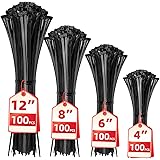
Cable Zip Ties,400 Pack Black Assorted Sizes 12+8+6+4 Inch,Multi-Purpose Self-Locking Nylon Cable Cord Management,Plastic Wire Ties for Home,Office,Garden,Workshop. By HAVE ME TD
$6.29 (as of October 23, 2026 03:23 GMT +00:00 - More infoProduct prices and availability are accurate as of the date/time indicated and are subject to change. Any price and availability information displayed on [relevant Amazon Site(s), as applicable] at the time of purchase will apply to the purchase of this product.)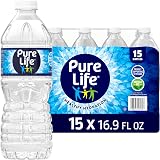
Pure Life Purified Bottled Water - 15 Pack, 16.9 Fl Oz | Still Drinking Water Enhanced with Minerals for a Crisp Taste
$4.95 (as of October 23, 2026 03:13 GMT +00:00 - More infoProduct prices and availability are accurate as of the date/time indicated and are subject to change. Any price and availability information displayed on [relevant Amazon Site(s), as applicable] at the time of purchase will apply to the purchase of this product.)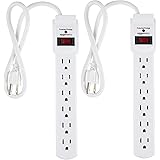
Amazon Basics Surge Protector Power Strip, 6-Outlet with 200J Protection, Circuit Breaker, LED Indicator, On/Off Switch, Wall-Mounting, 2ft Extension Cord, White, 2-Pack
$12.59 (as of October 23, 2026 03:23 GMT +00:00 - More infoProduct prices and availability are accurate as of the date/time indicated and are subject to change. Any price and availability information displayed on [relevant Amazon Site(s), as applicable] at the time of purchase will apply to the purchase of this product.)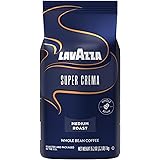
Lavazza Super Crema Whole Bean Coffee, Medium Espresso Roast, Arabica and Robusta Blend, 2.2 lb Bag, Package May Vary (Pack of 1)
$23.77 (as of October 23, 2026 03:13 GMT +00:00 - More infoProduct prices and availability are accurate as of the date/time indicated and are subject to change. Any price and availability information displayed on [relevant Amazon Site(s), as applicable] at the time of purchase will apply to the purchase of this product.)












Post Comment