
Medications Expire—But Here’s Why Pushing Past That Date Could Be a Game-Changer for Your Health and Wallet!
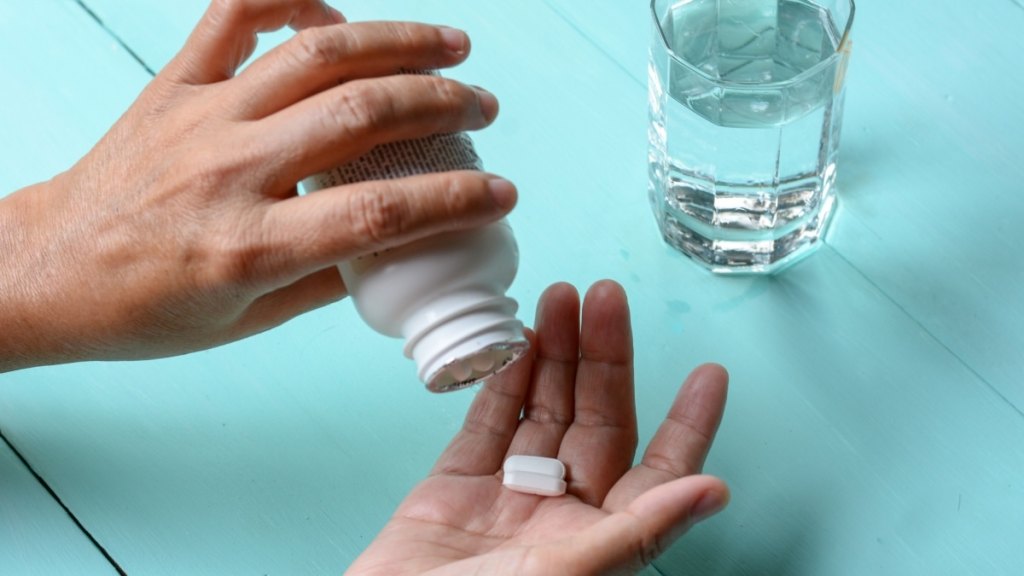
You ever grab a painkiller or that trusty heartburn relief only to freeze, staring at the expiration date like it’s a cryptic riddle? I know the feeling—it’s that annoying moment when you ask yourself, “Is this expired pill still my friend, or am I inviting trouble?” Here’s the kicker: not all medications throw in the towel right after the date on the bottle. Believe it or not, some actually stick around safely beyond their “best by” deadline. Intrigued? I was too, especially after chatting with Hedva Barenholtz Levy, PharmD, a senior care pharmacy whiz who spills the real deal on when you can hold onto meds a bit longer, and when it’s time to bid them adieu for good. If you’ve ever wondered about those mysterious expiration dates and want to dodge tossing perfectly fine medicine (or, conversely, avoid risky mishaps), this is the scoop you don’t want to miss. LEARN MORE
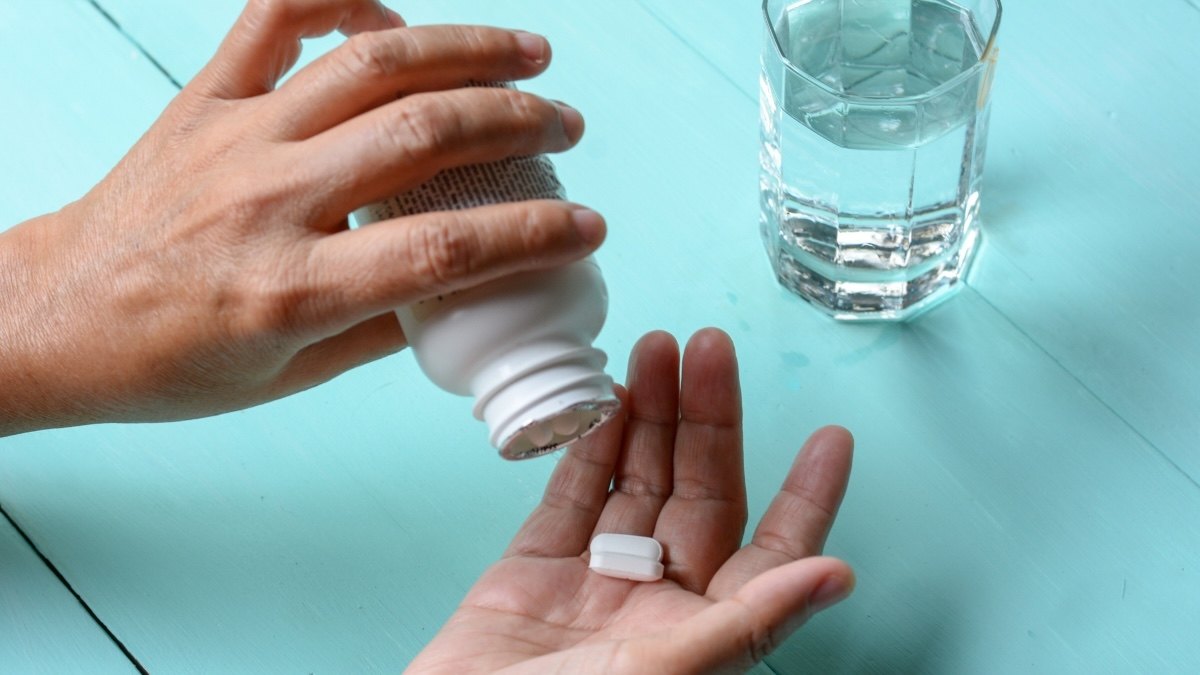
What do you do when you reach for a much-needed medicine, only to find its expiration date has passed? Do medications really expire? While some medicine cabinet staples do need to be tossed, you’d be surprised how many you can use safely past their expiration date, says Hedva Barenholtz Levy, PharmD, senior care pharmacy specialist and author of Maybe It’s Your Medications. She offers guidance on when it’s okay to use expired medication—and when you should properly dispose of it instead. Here’s everything you need to know.
Do medications expire? How long you can safely use them
Both over-the-counter (OTC) and prescription medications have a shelf life during which the products are generally safe and effective to use (as long as they’ve been properly stored in a cool, dry location). But once that date has passed, should you automatically toss expired drugs? Not necessarily. Levy offers helpful guidelines for common medications:
PPIs last up to 12 months past expiration
Over-the-counter proton pump inhibitors (PPIs), commonly prescribed to treat acid reflux, should be safe to use after their expiration dates for six to 12 months, says Levy. “They just may be less effective, which is generally not a life-threatening situation,” she explains. “Oral liquid formulations are more prone to degrading, and I’d suggest throwing them out within three months beyond the date.”
Eye drops should be tossed
Whether they’ve been prescribed by a doctor or purchased over the counter, eye drops are one type of medication that should not be used past their expiration date. Levy says with liquids (including eye drops), “There is no wiggle room and expiration dates need to be carefully followed.”
NSAIDs last up to 12 months past expiration
Levy says that like PPIs, over-the-counter nonsteroidal anti-inflammatory drugs should be fine to use in pill or capsule form for six to 12 months after they have expired. But they may not work as well—particularly if they haven’t been stored properly. “Once a medication packaging is opened or if it is stored improperly based on labeled storage guidelines, the expiration date may no longer apply,” she says.
GLP-1s should be tossed
Both GLP-1 injectables and tablets are sensitive to degradation, Levy says, so expiration dates (and storage conditions) are crucial. “Pay attention to expiration dates on the packaging and discard after that date,” she advises. “For injectable GLP-1s, it is both a safety and effectiveness concern. The concern with tablets is mostly decreased effectiveness.”
How to safely dispose of expired medication
“Depending on state regulations, pharmacies or police departments often accept medications for disposal year-round,” Levy says. She adds that for some drugs, the pharmacy may provide a pre-paid drug mail back envelope to return expired or unused medications by mail. You can find a drug take back location near you by visiting the Drug Enforcement Administration (DEA) Drug Take Back Day website.
A version of this story appears in the August 31, 2026 issue of Woman’s World.
Ready for more inspiration? Subscribe to our YouTube channel for video podcasts, health tips and uplifting stories designed for women 40, 50, 60 and beyond.
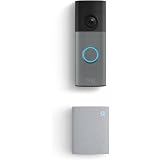
Ring Battery Doorbell (newest model), Speckled Gray with Chime (newest model), White
$49.99 (as of October 7, 2026 03:20 GMT +00:00 - More infoProduct prices and availability are accurate as of the date/time indicated and are subject to change. Any price and availability information displayed on [relevant Amazon Site(s), as applicable] at the time of purchase will apply to the purchase of this product.)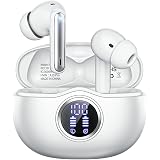
Fhumsh Wireless Earbuds, Bluetooth 5.3 Headphones HiFi Stereo 50H Playback LED Digital Display Ear Buds with ENC Noise Canceling Headset, IPX7 Waterproof Earphones for Gym/Running/Work(White)
$19.99 (as of October 7, 2026 03:27 GMT +00:00 - More infoProduct prices and availability are accurate as of the date/time indicated and are subject to change. Any price and availability information displayed on [relevant Amazon Site(s), as applicable] at the time of purchase will apply to the purchase of this product.)
Amazon Basics Leak-Proof Dog and Puppy Potty Training Pee Pads with Quick-Dry 5-Layer Super Absorbent Design, Regular Size 22 x 22 inch, Blue & White, 100 Count
$19.20 (as of October 7, 2026 03:10 GMT +00:00 - More infoProduct prices and availability are accurate as of the date/time indicated and are subject to change. Any price and availability information displayed on [relevant Amazon Site(s), as applicable] at the time of purchase will apply to the purchase of this product.)
Banana Bunch (4-5 Count)
(as of October 7, 2026 03:07 GMT +00:00 - More infoProduct prices and availability are accurate as of the date/time indicated and are subject to change. Any price and availability information displayed on [relevant Amazon Site(s), as applicable] at the time of purchase will apply to the purchase of this product.)










Post Comment