
Meta Faces Intense Scrutiny: Are Visa Holder Layoffs Masking a Deeper AI Discrimination Scandal?

When a tech giant like Meta chops thousands of jobs and visa holders are suddenly on the clock to find a new sponsor or face deportation, you’ve got my full attention. Now, throw in allegations that AI—yes, that supposedly impartial algorithm—is steering these cutbacks, potentially sidelining folks on protected leave, and things get downright spicy. What’s behind the curtain here? Is it cold, calculated code, or human judgment? US District Judge William Orrick isn’t letting Meta off the hook without a clear explanation. Meta has until July 23 to spill the beans on how they decided to terminate these four visa holders—will transparency prevail, or is this just another black box moment in tech layoffs? Buckle up; this isn’t your usual layoff story. LEARN MORE
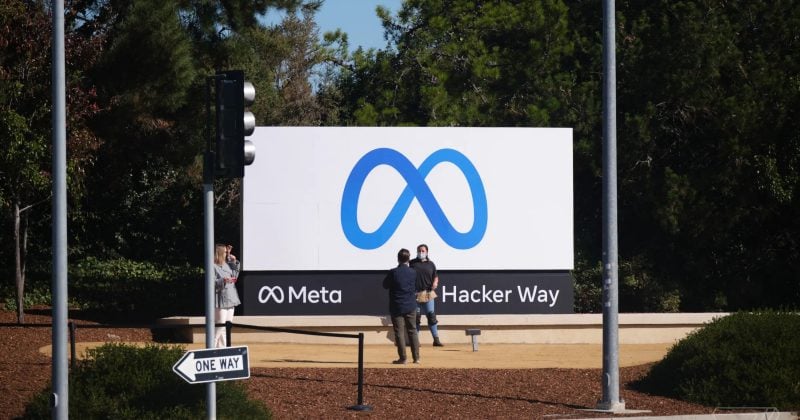
US District Judge William Orrick has ordered Meta to explain exactly how it chose to terminate four company-sponsored visa holders, giving the tech giant until July 23 to lay out the decision-making process. The order comes amid allegations that Meta used AI tools to make layoff decisions that disproportionately harmed workers on protected leave.
The ticking clock for visa holders
The layoffs affecting the plaintiffs are set to take effect around July 22, 2026. For workers on H-1B and similar visas, that date triggers a 60-day grace period to find a new employer willing to sponsor their visa, or face removal from the US.
Judge Orrick acknowledged the “unique risk” faced by the four visa holders, noting the potential for irreparable harm that goes well beyond financial losses. Despite recognizing that urgency, the court did not impose a temporary restraining order to halt Meta’s broader layoff process. The reduction of approximately 8,000 positions is already underway and proceeding as planned.
AI in the crosshairs
The lawsuit was filed on July 13 by 26 current and former Meta employees. Their core allegation: that automated AI tools tied to performance evaluation, including performance-ranking systems and activity metrics, unfairly discriminated against workers on protected medical, family, or pregnancy leave.
Meta has pushed back firmly. The company denied the allegations, stating that its workforce decisions were made by human management rather than AI technologies. In a public response, Meta said, “These claims lack merit… the changes we are implementing vary by team.”
Judge Orrick’s order doesn’t resolve anything yet. It simply demands transparency: show your work. Meta has until July 23 to do exactly that.
YISHU 6Ft Surge Protector Power Strip with 8 Widely Outlets & 4 USB Ports | 3 Side Outlet Extender with 6 Feet Extension Cord, Flat Plug, for Home, Office, College Dorm Room Essentials
$9.98 (as of October 23, 2026 03:23 GMT +00:00 - More infoProduct prices and availability are accurate as of the date/time indicated and are subject to change. Any price and availability information displayed on [relevant Amazon Site(s), as applicable] at the time of purchase will apply to the purchase of this product.)
Core Power Fairlife 26g Protein Milk Shakes, Liquid Ready To Drink for Workout Recovery, Chocolate, 14 Fl Oz Bottle (Pack of 12)
$41.88 (as of October 23, 2026 03:13 GMT +00:00 - More infoProduct prices and availability are accurate as of the date/time indicated and are subject to change. Any price and availability information displayed on [relevant Amazon Site(s), as applicable] at the time of purchase will apply to the purchase of this product.)
HONEY CARE All-Absorb A26 Male Dog Wrap, 50 Count, Small
$17.99 (as of October 23, 2026 03:13 GMT +00:00 - More infoProduct prices and availability are accurate as of the date/time indicated and are subject to change. Any price and availability information displayed on [relevant Amazon Site(s), as applicable] at the time of purchase will apply to the purchase of this product.)
Smart Dog Bark Collar with Advanced Bark Detection, 4 Adjustable Training Modes, Beep, Vibration, USB-C Rechargeable Barking Collar, IP67 Waterproof, No Bark Collar for Small, Medium & Large Dogs
$29.99 (as of October 23, 2026 03:23 GMT +00:00 - More infoProduct prices and availability are accurate as of the date/time indicated and are subject to change. Any price and availability information displayed on [relevant Amazon Site(s), as applicable] at the time of purchase will apply to the purchase of this product.)













Post Comment