
O’Hare Flight Cuts Spark Airport Turf War—What This Means for Your Next Trip and Why Airlines Are Fighting Back
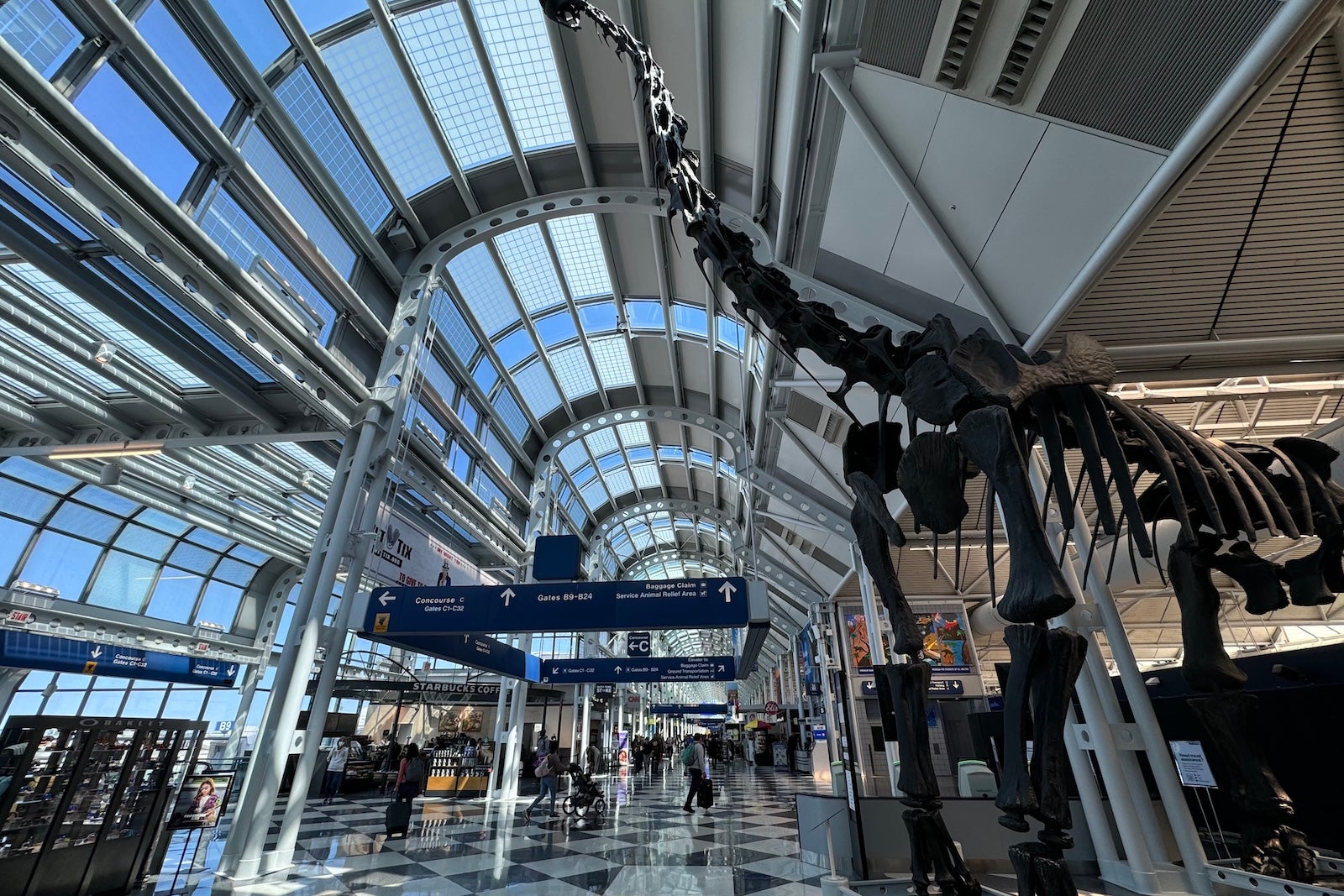
Ever find yourself wondering how many flights can really squeeze into the chaos that is Chicago’s O’Hare International Airport during peak summer? Well, this year the Federal Aviation Administration (FAA) has decided enough is enough — they’re making airlines slash about 12% of all their scheduled takeoffs and landings between May 17 and October 24. Now, if you fancied a spontaneous getaway from ORD, you might want to reconsider, as the FAA steps in to tame the wild west of airline schedules, particularly after the recent turf war between United and American Airlines turned flight plans into a wild stampede. It’s a calculated move to dodge the nightmare of delays reminiscent of last summer, when just over half the flights managed to escape the dreaded wait times. Airlines will be juggling the challenge of cutting down hundreds of daily flights, hoping to keep things running smoother—though I can’t help but wonder: will trimming the fat keep planes on time, or just make summer travel a little leaner and meaner? Curious to see how this plays out? LEARN MORE
Airlines will have to cut hundreds of daily flights at Chicago’s O’Hare International Airport (ORD) for this summer as part of a government-ordered effort to curb expected flight delays.
The Federal Aviation Administration on Thursday said it would require airlines to collectively trim around 12% of all takeoffs and landings at O’Hare that had been scheduled for this summer season.
The order would apply to flights scheduled between May 17 and Oct. 24.
The FAA’s intervention comes amid an airline turf war that had raised fears of significant backups at ORD this summer.
O’Hare’s top carriers — United Airlines and American Airlines — have added flights from ORD at a breakneck pace in recent months.
The airport was set to see roughly 19% more departures between May and October than a year ago, according to data from aviation analytics firm Cirium.
And last summer didn’t go smoothly: only a little over half of flights at ORD during the peak 2025 travel season experienced no delay, the FAA noted Thursday.
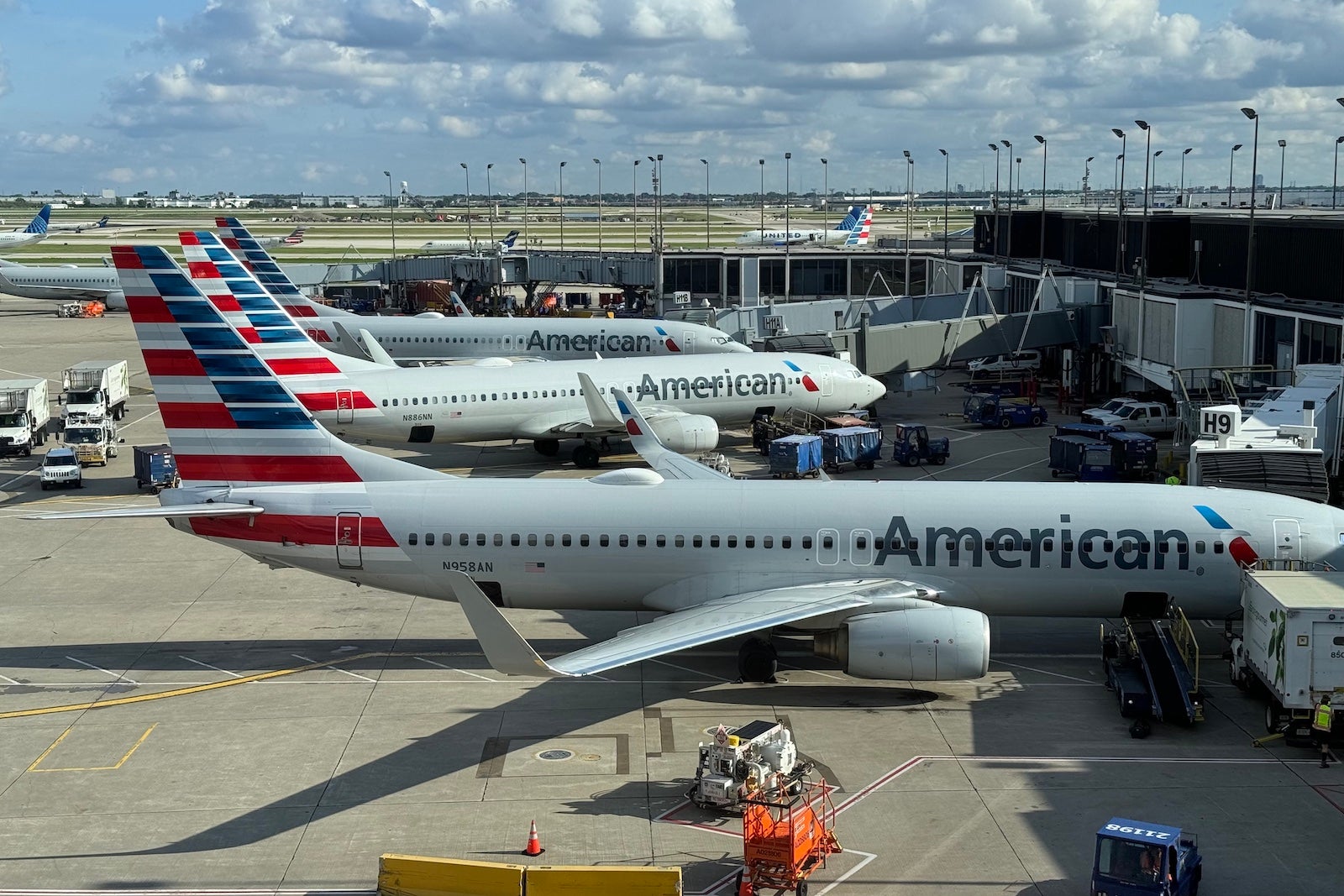
The FAA had feared jam-packed flight schedules combined with lingering runway construction at the busy Chicago hub could have made for mass disruptions in the coming months.
“Our number one priority is the safety of the flying public, and that means ensuring airline schedules reflect what the system can safely handle,” FAA Administrator Bryan Bedford said in a statement.

Daily Newsletter
Reward your inbox with the TPG Daily newsletter
Join over 700,000 readers for breaking news, in-depth guides and exclusive deals from TPG’s experts
By signing up, you will receive newsletters and promotional content and agree to our Terms of Use and acknowledge the data practices in our Privacy Policy. You may unsubscribe at any time.
Airlines will now be tasked with removing hundreds of daily flights already on the schedule. The FAA said it would dole out schedule reduction requirements based on last summer’s schedule at O’Hare.
In a statement to TPG, United applauded the FAA for its efforts “to find a solution that makes sense for everyone who cares about O’Hare’s success.” The Chicago-based carrier said it would share additional information “including any next steps” after reviewing the order.
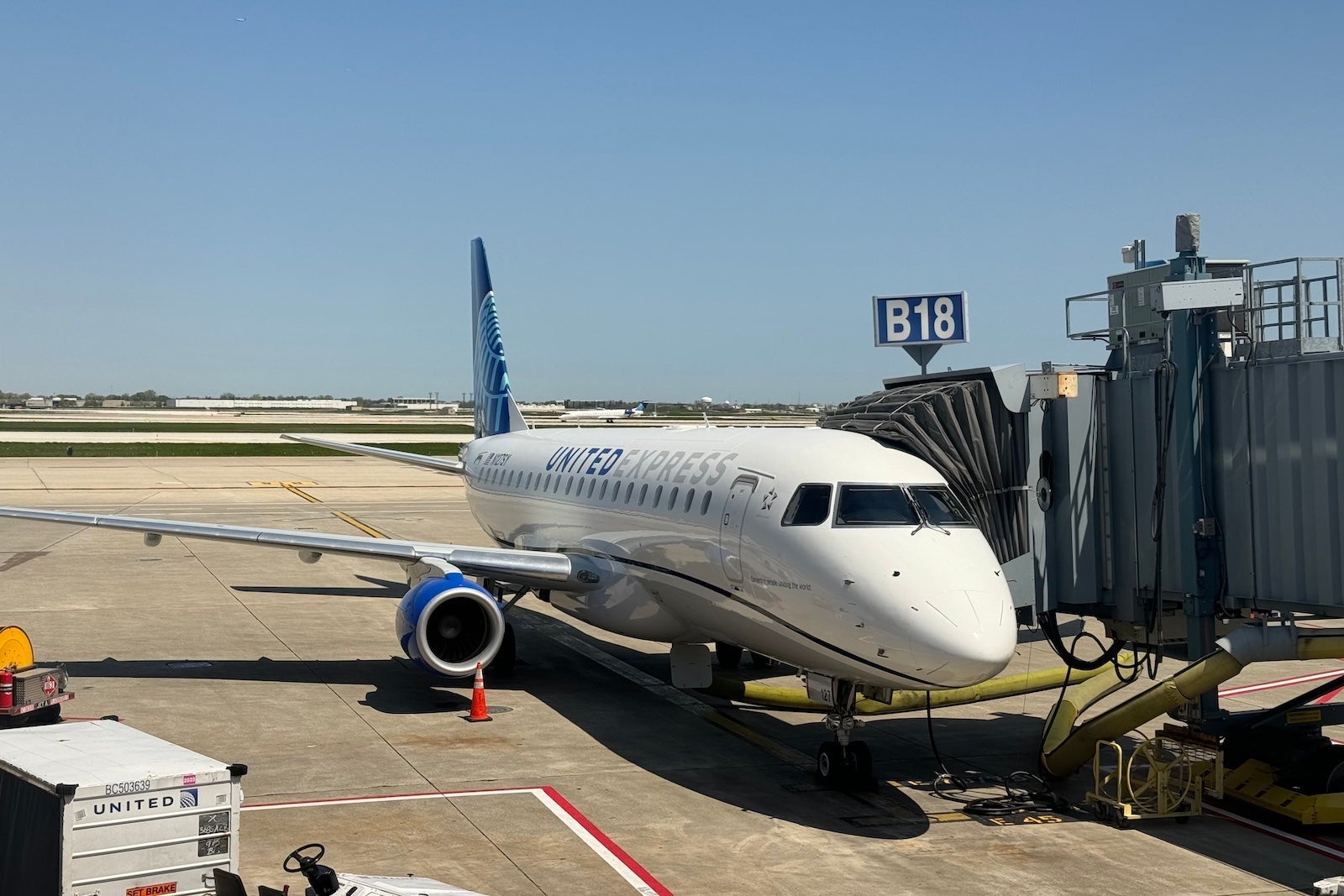
“We are pleased to have a sufficient level of flights through the FAA’s process to operate a successful hub at O’Hare this summer,” American added in its own statement, and said the move would reduce delays at the airport.
The carrier said it would have more information, soon, on any schedule changes.
International airlines will not be required to cancel flights.
Under U.S. Department of Transportation policy, travelers whose flights are canceled, significantly delayed or changed — for any reason — are entitled to a full refund if they choose not to accept rebooking or the new schedule. That would apply to canceled flights and schedule changes affected by this order.
Related reading:

Amazon Fire TV Stick 4K (newest model), simple 4K streaming, new Fire TV Remote, all your apps in one place, free & live TV, find shows faster with Alexa+
$59.99 (as of October 11, 2026 03:30 GMT +00:00 - More infoProduct prices and availability are accurate as of the date/time indicated and are subject to change. Any price and availability information displayed on [relevant Amazon Site(s), as applicable] at the time of purchase will apply to the purchase of this product.)
2 Pack [Apple MFi Certified] USB C Headphones Wired for iPhone 18 17 16 15 | Wired Earbuds with Microphone & Remote Control Noise Cancelling Type C Earphones for iPhone Duo 18 17 16 15 Pro Max, Galaxy
$13.99 (as of October 11, 2026 03:30 GMT +00:00 - More infoProduct prices and availability are accurate as of the date/time indicated and are subject to change. Any price and availability information displayed on [relevant Amazon Site(s), as applicable] at the time of purchase will apply to the purchase of this product.)
Dog Allergy Chews 200 Treats, Dog Allergy and Itching Skin Relief Bites Immune Support Dogs Probiotics for Yeast, Itchy Skin and Itchy Ears Anti Itch Licking Paws Treatment for Dogs Chicken Flavor
$25.99 (as of October 11, 2026 03:20 GMT +00:00 - More infoProduct prices and availability are accurate as of the date/time indicated and are subject to change. Any price and availability information displayed on [relevant Amazon Site(s), as applicable] at the time of purchase will apply to the purchase of this product.)
YISHU 6Ft Surge Protector Power Strip with 8 Widely Outlets & 4 USB Ports | 3 Side Outlet Extender with 6 Feet Extension Cord, Flat Plug, for Home, Office, College Dorm Room Essentials
$9.99 (as of October 11, 2026 03:20 GMT +00:00 - More infoProduct prices and availability are accurate as of the date/time indicated and are subject to change. Any price and availability information displayed on [relevant Amazon Site(s), as applicable] at the time of purchase will apply to the purchase of this product.)














Post Comment