
Robinhood Chain’s Bold Move with Zerion Sparks Surge as DEX Volume Soars to $1.88B—What This Means for Your Next Investment Play
Ever wonder what happens when Robinhood decides to notch up its DeFi game—and teams up with Zerion, a heavyweight in portfolio tracking? Well, it’s no small potatoes. Robinhood Chain, a fresh Ethereum Layer-2 network designed to handle tokenized real-world assets, just launched its mainnet in July 2026—and Zerion dove right in from day one, seamlessly integrating support into its API and wallet. Imagine being able to keep an eagle eye on every position, across a blockchain that’s not just active, but positively buzzing with over 17 million transactions in its first week alone! The pace is dizzying, with decentralized exchange volume blasting past $1 billion before the week even clocked out. And it’s only getting hotter: by September, DEX volume nearly doubled, while Robinhood Chain’s share of trades on Zerion’s apps dominated the scene, peaking at an eye-popping 74.5%. This isn’t just growth—it’s a tidal wave reshaping the DeFi landscape. Curious how this partnership is rewriting the rules of portfolio management and what it means for both tokenized stocks and speculative assets cohabiting on the same chain? Buckle up—it’s a fascinating ride. LEARN MORE

Robinhood’s push into decentralized finance just got a serious infrastructure upgrade. Zerion, one of DeFi’s most widely used portfolio trackers, has integrated support for Robinhood Chain directly into its API and wallet, giving users a single place to monitor positions across an increasingly active blockchain.
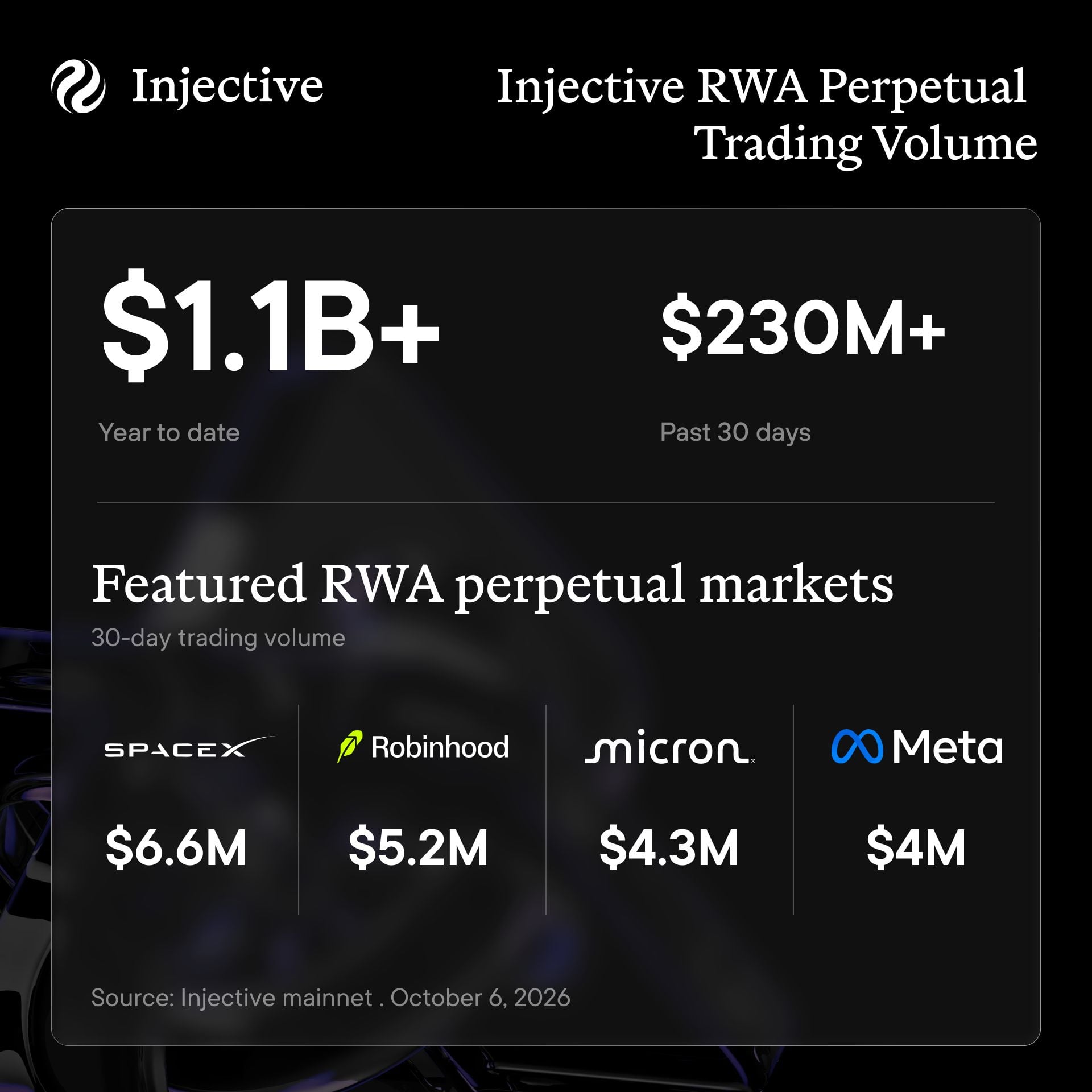
Robinhood Chain, an Ethereum Layer-2 network purpose-built for tokenized real-world assets, launched its mainnet on July 1, 2026. Zerion was there on day one.
The network logged more than 17 million transactions and attracted around 350,000 unique addresses within its opening seven days. Decentralized exchange volume crossed $1 billion before the week was out.
By early September 2026, cumulative DEX volume on Robinhood Chain had climbed to approximately $1.88B.
Zerion’s own data told an equally striking story. During August 2026, Robinhood Chain accounted for more than half of all trades executed across Zerion’s apps. At peak, the chain captured 74.5% of daily trade share inside the Zerion ecosystem.
A September 22 update from Zerion added another data point worth noting: total token positions on Robinhood Chain grew 48 times over in just two months.
What the Zerion integration actually does
Zerion’s API now indexes Robinhood Chain natively, so developers building on the network can pull blockchain data without writing custom integrations or standing up their own infrastructure. For end users, anyone already using Zerion’s wallet or portfolio dashboard can see their Robinhood Chain positions alongside holdings on Ethereum mainnet, Arbitrum, Base, or any other supported network, without extra setup.
Robinhood Chain describes itself as permissionless and AI-native, with specific design choices aimed at tokenized stocks and ETFs living alongside standard DeFi primitives.
The stock-token and speculative-token overlap
Zerion’s research found a 95% overlap in holdings between users who hold stock tokens on Robinhood Chain and users who hold speculative tokens. Put differently, almost everyone buying tokenized equities on Robinhood Chain is also buying the riskier, more volatile assets on the same chain.
When the same wallets hold both asset types, market stress events can create correlated selling across categories that might otherwise be uncorrelated. It also creates concentrated platform risk: Zerion becomes load-bearing infrastructure for a chain where a lot of activity is concentrated in a relatively small user base doing a lot of trading.
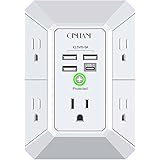
Wall Charger, Surge Protector, QINLIANF 5 Outlet Extender with 4 USB Ports | 1680 Joules, 3-Sided Power Strip, Multi Plug Wall Outlet Adapter Spaced for Home Travel Office, White
$11.98 (as of October 19, 2026 03:22 GMT +00:00 - More infoProduct prices and availability are accurate as of the date/time indicated and are subject to change. Any price and availability information displayed on [relevant Amazon Site(s), as applicable] at the time of purchase will apply to the purchase of this product.)
Goldfish Cheddar Cheese Crackers, Baked Snack Crackers, 1 oz On-the-Go Snack Packs, 20 Count Box
$8.76 (as of October 19, 2026 03:10 GMT +00:00 - More infoProduct prices and availability are accurate as of the date/time indicated and are subject to change. Any price and availability information displayed on [relevant Amazon Site(s), as applicable] at the time of purchase will apply to the purchase of this product.)
Diet Coke Soda Soft Drink Cans, 12 fl oz, 12 Pack | No sugar, no calories, 46 mg caffeine per can
$7.68 (as of October 19, 2026 03:10 GMT +00:00 - More infoProduct prices and availability are accurate as of the date/time indicated and are subject to change. Any price and availability information displayed on [relevant Amazon Site(s), as applicable] at the time of purchase will apply to the purchase of this product.)
Banana Bunch (4-5 Count)
(as of October 19, 2026 03:10 GMT +00:00 - More infoProduct prices and availability are accurate as of the date/time indicated and are subject to change. Any price and availability information displayed on [relevant Amazon Site(s), as applicable] at the time of purchase will apply to the purchase of this product.)













Post Comment