
Seagate’s Blowout Earnings Signal a Silent AI Gold Rush—Are You Ready to Ride the Wave?
Who would’ve thought a humble hard drive maker could steal the AI spotlight from the usual GPU giants? Seagate just dropped a fiscal Q4 2026 bombshell, blasting past Wall Street’s modest expectations and raising the bar high enough to make you wonder—are we seriously just scratching the surface of AI storage demand? Their Mozaic line, harnessing the power of heat-assisted magnetic recording, isn’t just a shiny new toy; it’s the engine propelling a tidal wave of data hungry for space as AI workloads explode. And while crypto stayed hush-hush in their earnings talk, the ripple effects on digital assets and tech confidence can’t be ignored. The real nail-biter? Whether Seagate hits that ambitious $4.1 billion Q1 2027 revenue mark. Nail it, and the AI infrastructure thesis gains a heavyweight champion; miss it, and watch the risk-on vibe—crypto included—take a hit. Curious how a company that stores information is now shaping the future of AI and digital finance? Dive in and see where the bytes really bite! LEARN MORE
Seagate just reminded everyone that the AI boom isn’t limited to GPU makers. The hard drive company posted fiscal Q4 2026 results on July 28 that blew past Wall Street expectations, and the forward guidance was even more aggressive, sending a clear signal that enterprise demand for AI-related storage infrastructure is accelerating, not plateauing.
Seagate reported adjusted earnings per share of $5.71 for fiscal Q4 2026. Analysts had been expecting somewhere between $5.04 and $5.12. Revenue came in at roughly $3.6 billion for the quarter. Just one quarter earlier in Q3, the company pulled in $3.11 billion with a non-GAAP EPS of $4.10, both of which also topped projections.
Seagate’s management projected fiscal Q1 2027 revenue of approximately $4.1 billion and an adjusted EPS of $7.30. That represents a sequential revenue jump of roughly 14% and an EPS leap of nearly 28% from the already-strong Q4.
The engine behind Seagate’s acceleration is its Mozaic product line, which uses a technology called heat-assisted magnetic recording, or HAMR. CEO Dave Mosley has pointed to artificial intelligence as a fundamental amplifier of data creation, arguing that the sheer volume of information being generated by AI workloads is creating sustained, structural demand for high-capacity storage. The Mozaic HAMR products are now ramping with major cloud customers, which explains both the revenue trajectory and management’s confidence in guiding higher.
Seagate didn’t mention crypto assets, tokens, or blockchain in its earnings materials. Not once. This is a pure-play AI infrastructure story. But the implications for digital asset markets operate through a few distinct channels.
Crypto has increasingly traded as a risk-on asset correlated with tech sector confidence. When marquee earnings reports validate the AI spending thesis, it tends to lift the broader risk appetite that also supports Bitcoin and other digital assets. Additionally, AI and crypto are converging through decentralized AI projects, on-chain data markets, and GPU-tokenization protocols that all depend on the same underlying build-out of compute and storage infrastructure.
The key metric to watch going forward is whether Seagate actually delivers on that $4.1 billion Q1 2027 revenue target. If it does, or beats it again, the AI infrastructure thesis gets another powerful data point. If it misses, it could trigger exactly the kind of sentiment reversal that would ripple across risk assets more broadly, crypto included.

DUMOS Small 44 in Cat Tree Tower with Natural Sisal Scratching Posts | Cat Tree with Hammock, Pet Condo for Indoor All Ages Cats and Kittens Play, Beige
$33.99 (as of October 23, 2026 03:23 GMT +00:00 - More infoProduct prices and availability are accurate as of the date/time indicated and are subject to change. Any price and availability information displayed on [relevant Amazon Site(s), as applicable] at the time of purchase will apply to the purchase of this product.)
Propel, Kiwi Strawberry, Zero Calorie Sports Drinking Water with Electrolytes and Vitamins C&E, 16.9 Fl Oz (12 Count)
$9.97 (as of October 23, 2026 03:13 GMT +00:00 - More infoProduct prices and availability are accurate as of the date/time indicated and are subject to change. Any price and availability information displayed on [relevant Amazon Site(s), as applicable] at the time of purchase will apply to the purchase of this product.)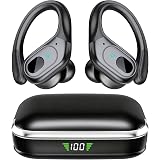
Wireless Earbuds, Sports Bluetooth Headphones, Running Headphones | 75Hrs Playtime Ear Buds with LED Power Display, Noise Canceling Headset, IPX7 Waterproof Earphones for Gym/Running/Workout
$20.98 (as of October 23, 2026 03:33 GMT +00:00 - More infoProduct prices and availability are accurate as of the date/time indicated and are subject to change. Any price and availability information displayed on [relevant Amazon Site(s), as applicable] at the time of purchase will apply to the purchase of this product.)
Milk-Bone Flavor Snacks Mini’s Dog Treats, 36 Oz. | 5 calories per treat, 15% protein, 3 flavors per canister (beef, chicken & bacon, naturally & artificially flavored)
$11.48 (as of October 23, 2026 03:13 GMT +00:00 - More infoProduct prices and availability are accurate as of the date/time indicated and are subject to change. Any price and availability information displayed on [relevant Amazon Site(s), as applicable] at the time of purchase will apply to the purchase of this product.)













Post Comment