
Strait of Hormuz Showdown: How Iran’s Warning Shots Could Spark a Chain Reaction in Oil and Crypto Markets You Can’t Afford to Ignore
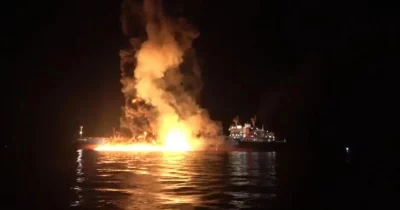
So, here we are again—navigating the stormy waters of geopolitics where international tensions and global markets collide, quite literally in the Strait of Hormuz. Picture this: Iran’s navy firing warning shots at two U.S. guided-missile destroyers in the Gulf of Oman, a narrow choke point through which an enormous chunk of the world’s oil sails every single day. What’s at stake? Not just barrels of crude, but the very stability of energy supplies that ripple through every economy on the planet. Now, throw in claims of Qadir missiles, drones on alert, and a firm CENTCOM denial—does it sound like a scene from a thriller? Well, it’s all too real. And as these military tensions simmer and flare, they’re not just tightening the noose around oil shipments but also weaving a complex web involving sanctions and the crypto sphere. So, what does this mean for investors and entrepreneurs watching from the sidelines wondering if peace will prevail or if sanctions will push innovation—and risk—into uncharted territory? Hang tight; this story unpacks every jagged twist of this high-stakes drama. LEARN MORE
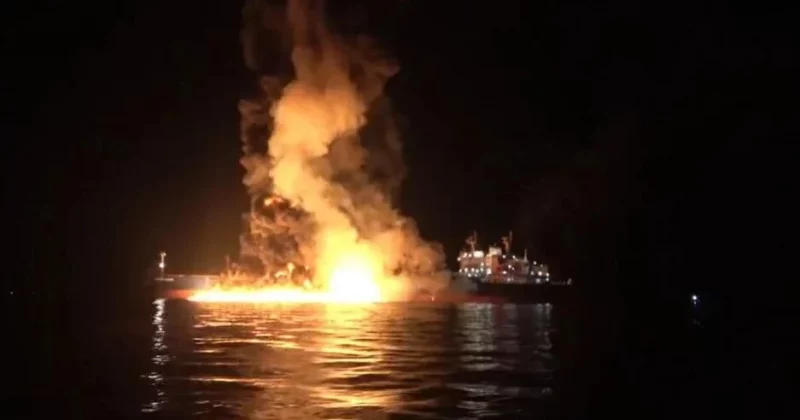
Iran’s navy fired warning shots at two US guided-missile destroyers in the Gulf of Oman after the vessels allegedly ignored radio warnings and continued approaching the Strait of Hormuz. The incident, reported on June 5, immediately reignited fears about the stability of the narrow waterway through which a massive share of global oil shipments flows daily.
Iranian sources identified the US vessels as the USS Truxtun (DDG-103) and USS Mason (DDG-87). Tehran claims its forces deployed Qadir missiles and Shahid Dana strike drones as part of the warning. CENTCOM, the US Central Command, denied that any attack or firing occurred against its naval assets.
What happened in the Gulf of Oman
According to Iranian state media, the two American destroyers approached the Strait of Hormuz despite repeated radio warnings from Iranian naval forces. When the ships continued their approach, Iran says it responded with warning shots, citing both missile systems and drones as part of the response.
Iranian media outlets released videos purportedly showing the warning shots being fired. The footage has circulated widely but has not been independently verified.
CENTCOM’s response was blunt: no hostile action was taken against US Navy vessels.
Earlier in June, Iran made similar assertions about strikes against US vessels in the region. Tehran has also accused the US of harassing maritime traffic and seizing vessels in the area, claims that Washington has not confirmed.
Why the Strait of Hormuz matters to every market
The Strait of Hormuz is roughly 21 miles wide at its narrowest point. A significant portion of the world’s seaborne oil trade passes through this corridor, making it one of the most strategically important waterways on the planet.
The sanctions angle adds another layer
Recent US measures have included sanctions targeting Iranian digital asset exchanges, weaving together the geopolitical tensions in the Gulf with the regulatory landscape for crypto.
When the US imposes sanctions on crypto infrastructure tied to adversarial nations, it doesn’t just affect the targeted entities. It creates compliance ripple effects across the entire industry. Exchanges globally have to tighten their screening. DeFi protocols face renewed scrutiny over whether sanctioned wallets are interacting with their smart contracts. Stablecoin issuers face pressure to freeze associated addresses.
International reactions to the latest incident have been mixed, according to reports. Some nations have expressed concern about the escalation, while others have been more measured.
What this means for investors
For crypto traders, watch the sanctions pipeline. Every military incident between the US and Iran increases the political appetite in Washington for additional economic measures, and those measures increasingly touch crypto infrastructure.
Military tension justifies more sanctions. More sanctions push Iranian actors further into alternative financial channels, including crypto. That usage then justifies further regulatory crackdowns on digital assets associated with sanctioned entities.
Nespresso Vertuo, Barista Flavored Pack, Medium Roast, 30-Count Coffee Pods | Medium-Roast Coffee Capsules, Caramel, roasted hazelnut and sweet vanilla flavors
$42.00 (as of October 19, 2026 03:10 GMT +00:00 - More infoProduct prices and availability are accurate as of the date/time indicated and are subject to change. Any price and availability information displayed on [relevant Amazon Site(s), as applicable] at the time of purchase will apply to the purchase of this product.)
Milk-Bone Flavor Snacks Mini’s Dog Treats, 36 Oz. | 5 calories per treat, 15% protein, 3 flavors per canister (beef, chicken & bacon, naturally & artificially flavored)
$11.48 (as of October 19, 2026 03:12 GMT +00:00 - More infoProduct prices and availability are accurate as of the date/time indicated and are subject to change. Any price and availability information displayed on [relevant Amazon Site(s), as applicable] at the time of purchase will apply to the purchase of this product.)
Purina Fancy Feast Gravy Lovers, Poultry & Beef Wet Cat Food, 3oz, 24-Pack | Variety Pack, grilled gourmet texture made with no artificial colors or preservatives, 100 percent complete and balanced
$22.86 (as of October 19, 2026 03:12 GMT +00:00 - More infoProduct prices and availability are accurate as of the date/time indicated and are subject to change. Any price and availability information displayed on [relevant Amazon Site(s), as applicable] at the time of purchase will apply to the purchase of this product.)
Temptations Classic Crunchy and Soft Cat Treats, Tasty Chicken, 30 oz | Under 2 calories per treat, crunchy outside & soft inside, resealable tub, 100% complete & balanced, snack, meal or topper
$14.94 (as of October 19, 2026 03:12 GMT +00:00 - More infoProduct prices and availability are accurate as of the date/time indicated and are subject to change. Any price and availability information displayed on [relevant Amazon Site(s), as applicable] at the time of purchase will apply to the purchase of this product.)












Post Comment